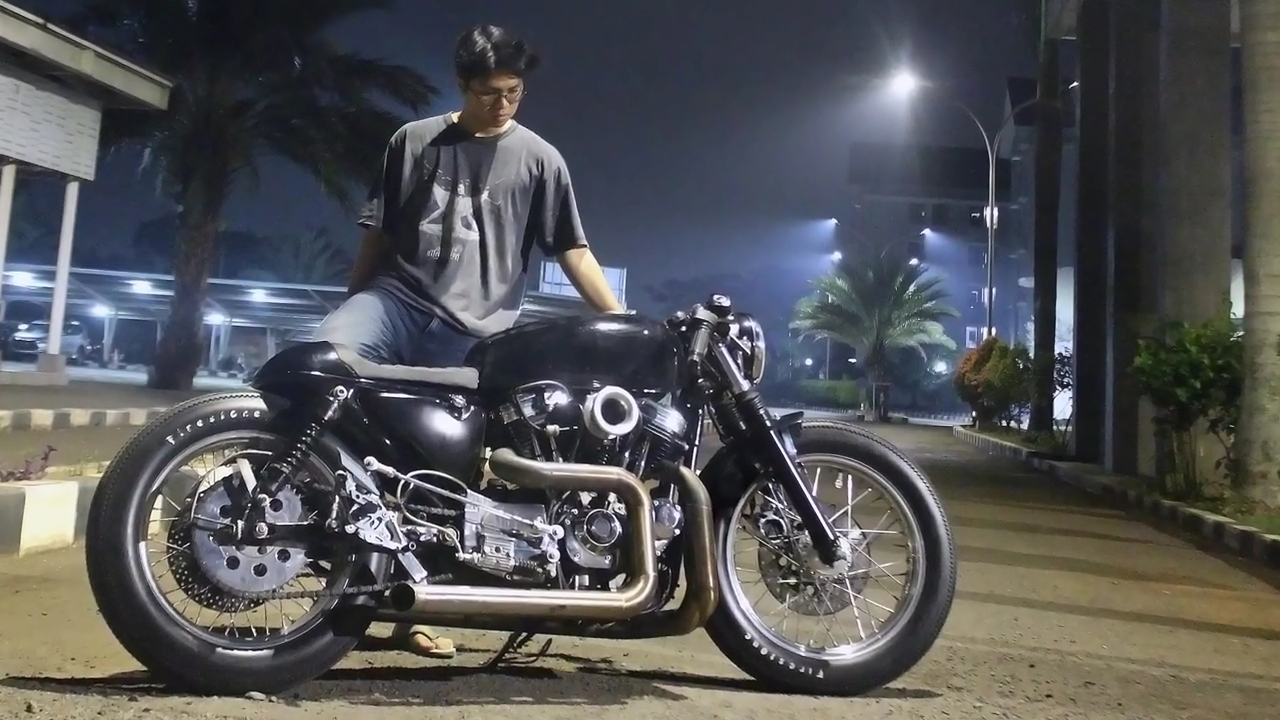
You are about to see a Harley Sportster turned into a true cafe racer, and it works. Many builders have tried to mix these two styles, but few have achieved the right stance and balance. When you look at this bike, you notice clean lines, strong proportions, and a simple design that feels natural on a platform not built for it.
I want you to focus on how careful planning shaped this result. Instead of relying on costly parts or heavy frame changes, I measured, tested, and adjusted until every angle and gap felt right. With key changes to the wheels, suspension, tank, and rear section, I reshaped the Sportster into a cafe racer that keeps its character while gaining a new identity.
Key Takeaways
- Careful design and precise measurements shaped the final stance.
- Smart modifications improved both function and visual balance.
- Ongoing updates aim to refine performance and overall proportion.
The Blend of Harley-Davidson and Café Racer Design
You rarely see a Harley-Davidson and a café racer share the same space. Many builders have tried this mix, but few have made it work. When you look at this Sportster, you see a stance that most people never expect from this brand.
I waited years to see a Sportster sit with the right café racer posture. That moment finally came with this build. The lines, the balance, and the way it stands from every angle show careful planning, not luck.
What makes this project strong is not expensive parts or a new frame. I focused on design time, not big spending. I measured the stock Sportster in detail and studied what to change and what to leave alone.
Instead of guessing, I used a trial-and-error process on paper first. That approach saved money and helped me refine the proportions before cutting metal.
### Challenging the Old Rules
You do not expect a Harley Sportster to carry classic café racer lines. That is why choosing this bike was a bold step.
I already explored this stance on a smaller 250cc project. This time, I applied the same design logic to a much larger machine. The engine size changed, but the focus on proportion stayed the same.
To reshape the Sportster, I made key changes:
- Rear wheel increased from 16 to 18 inches
- Front forks lowered by 15 cm
- Swingarm adjusted to lift the rear and level the bike
- Fuel tank fully custom made for correct scale
- Seat and rear cowl custom built
- Exhaust system handmade
- Triple tree custom designed
- Rear frame section modified
- Belt drive converted to chain for better power delivery and gear ratio options
Each change served one goal: achieve a precise fit. I calculated scale, length, rack angle, and spacing so every part aligned.
The result looks simple, but that simplicity comes from careful measurement and adjustment.
### What Makes This Build Different
When you compare this bike to other Harley café attempts, the difference shows in the stance. The proportions stay consistent from front to rear. The bike sits level and balanced.
I did not chase modern trends like inverted forks because they would clash with the vintage character. Even so, I admit the front suspension travel could improve. Shorter sliders might refine the setup further.
This project is still evolving. I plan to:
- Install a larger headlight
- Refine the curve of the fuel tank
- Fit a 17-inch flat drag tire at the rear
Even in its current state, the bike proves that a Sportster can carry true café racer posture. You see clean lines, correct scale, and a traditional look that feels intentional.
The Builder’s Story: Kevan Cahyadi Alam
You see the result in the stance and proportions, but the real work started long before the first part was changed.
I created both café racer projects you noticed. I am Kevan Cahyadi Alam, and I co-founded a motorcycle community in Indonesia.
What matters most in my work is not excess parts or high cost. I focus on design, fit, and correct proportions.
Solace Motorcycle Community
You know the two similar café racer builds shown on the channel. I built both of them.
I co-founded Solace Motorcycle, a bike community based in Indonesia. Through this group, I developed and refined my approach to café racer design.
When you compare the projects, you may think they lack originality. I see it differently. I found a stance that works, and I applied it to a completely different motorcycle platform.
That decision led me to take on a Harley-Davidson Sportster, which many would not expect to suit a true café racer style.
Earlier Defining Build
Before the Harley project, I built an earlier bike known as Project 7, based on a GN 250.
The Harley café racer should be viewed as an upgraded evolution of that first concept. I used the same design method but adapted it to a much larger motorcycle.
Instead of buying expensive aftermarket parts or building a new frame, I invested time in measurement and planning.
My process included:
- Measuring the standard Sportster in detail
- Comparing scale, length, and body angles
- Testing ideas through drawings before spending money
This trial-and-error method cost time, not cash.
To achieve the final stance, I made these key changes:
| Modification Area | What I Changed |
|---|---|
| Rear Wheel | Increased from 16” to 18” |
| Front Forks | Lowered by 15 cm |
| Swing Arm | Adjusted to lift the rear and level the bike |
| Fuel Tank | Built fully custom for correct proportions |
| Seat & Cowl | Fully custom made |
| Exhaust | Fully custom system |
| Triple Tree | Custom made |
| Frame | Modified only at the rear section |
| Final Drive | Converted belt to chain |
The chain drive improves power delivery and allows easier gear ratio changes.
The project is still evolving. I plan to:
- Install a larger headlight
- Refine the fuel tank curve
- Replace the rear wheel with a 17-inch flat drag tire
You can see that I focus on alignment, balance, and proportion. That approach defines both my earlier GN 250 build and this Harley Sportster café racer.
Design Philosophy and Approach
Focus on Balanced Lines and Stance
You aim for a true café racer posture above all else. You study the bike from every angle and adjust it until the lines flow in a clean and level way.
You focus on scale, length, bodywork angles, and spacing. You measure everything and compare each part to the whole. This careful work helps you reach a stance that looks correct from front to back.
You increase the rear wheel from 16 to 18 inches and lower the front forks by 15 cm. You adjust the swingarm to lift the rear and level the bike. These steps help you create a flat, horizontal profile.
You try several fuel tanks, but none fit the size of the Sportster. You build a custom tank to match your drawings. You also create a custom seat, rear cowl, exhaust system, and triple tree.
You keep frame changes minimal. You modify only the rear section, which keeps the structure simple and clean.
Testing, Measuring, and Refining
You spend most of your effort on planning, not expensive parts. You begin by taking detailed measurements of the stock Sportster.
This process takes time, but it shows you what to change and what to keep. You test different ideas without wasting money. You rely on a trial-and-error method, guided by precise measurements.
You convert the belt drive to a chain. This change improves power delivery and lets you adjust the gear ratio more easily.
You also review areas that need improvement. The front suspension has limited travel, and you consider shortening the fork sliders more. You avoid inverted forks because they do not match the vintage style you want.
You continue to refine the bike. You plan to install a larger headlight, adjust the tank curve, and fit a 17-inch flat drag tire at the rear.
Key Modifications and Custom Fabrication
Frame Geometry and Structural Changes
You start with careful measurements of the stock Sportster. You study its scale, length, and angles before you touch any metal.
Instead of building a new frame, you keep most of the original structure. You only reshape the rear section to support the new stance.
You lower the front forks by 15 cm. You also adjust the swingarm to lift the rear slightly and level the bike.
You increase the rear wheel size from 16 inches to 18 inches. These changes align the body, wheels, and stance into one straight, balanced line.
Main geometry updates:
- Lowered front suspension: 15 cm
- Modified swingarm position
- Rear frame section revised
- Rear wheel: 16” → 18”
The short fork travel still needs improvement. You could shorten the sliders more, but inverted forks would not match the vintage style you want.
Hand-Built Fuel Tank and Tail Section
You test several fuel tanks, but none match the bike’s size. Each one looks too small against the Sportster frame.
You design and build a completely custom fuel tank to match your drawings. This gives you the right proportions and clean flow from front to rear.
You also create a custom seat and rear cowl. These parts follow the tank lines and keep the profile tight and horizontal.
Planned updates include:
- A larger headlight
- A refined fuel tank curve
- A 17-inch rear wheel with a flat drag tire
Rear Wheel Setup and Suspension Tuning
You fit an 18-inch rear wheel to improve stance and balance. This change plays a key role in achieving the horizontal layout.
You modify the swingarm to raise the rear slightly. That adjustment helps level the bike from front to back.
The lowered forks sharpen the front view, but they limit suspension travel. Even so, you keep this setup to protect the classic look.
Exhaust System and Final Drive Conversion
You replace the stock belt drive with a chain system. This improves power transfer to the rear wheel.
The chain setup also lets you adjust the gear ratio more easily. That gives you better control over performance tuning.
You build a full custom exhaust system. You also fabricate a custom triple tree to match the new front-end setup.
Each part supports the stance, alignment, and clean proportions you set from the start.
Performance, Aesthetics, and Functionality
Visual Balance and Proportion
You see the stance right away. From every angle, the bike sits level and tight, with clean lines that you do not expect from a Harley Sportster.
I focused on exact fit and proportion. I measured the stock bike for hours before changing anything. I compared scale, length, body panels, rack angle, and spacing until everything lined up.
To reach this position, I made these key changes:
- Rear wheel increased from 16 to 18 inches
- Front forks lowered by 15 cm
- Swingarm adjusted to lift the rear and level the bike
- Fuel tank fully custom to match correct size and shape
- Seat and rear cowl custom built
- Exhaust system custom made
- Triple tree custom built
- Frame modified only at the rear section
You get a horizontal stance with tight alignment and controlled gaps. The result looks simple, but every line follows careful measurement and trial.
Riding Performance and Mechanical Choices
You gain better power transfer with the switch from belt to chain drive. This setup sends power to the wheel more directly and lets you adjust the gear ratio more easily.
The front suspension has limited travel. Even after cutting the fork sliders, I believe shorter sliders would improve function. The setup looks right, but you must accept reduced movement in the front.
I plan to fit a 17-inch flat drag tire at the rear. That change will refine both traction and stance.
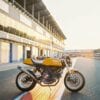
Classic Feel vs Contemporary Updates
You keep the vintage character by avoiding inverted forks. Modern upside-down forks could improve performance, but they would break the traditional look.
The design stays simple and classic. The custom tank, seat, and exhaust follow old café racer style, not modern trends.
I still plan to install a larger headlight and refine the fuel tank curve. These updates will improve detail without changing the traditional identity you see now.
Continued Development and Next Steps
Planned Updates
You continue to move this build forward with clear upgrades in mind. The project is not finished yet.
Your next steps include:
- Install a larger headlight to improve the front view balance.
- Refine the curve of the fuel tank to better match your original design vision.
- Replace the rear wheel with a 17-inch flat drag tire for a stronger stance.
You already converted the belt drive to a chain. This setup improves power delivery and lets you adjust the gear ratio more easily.
Fine-Tuning the Details
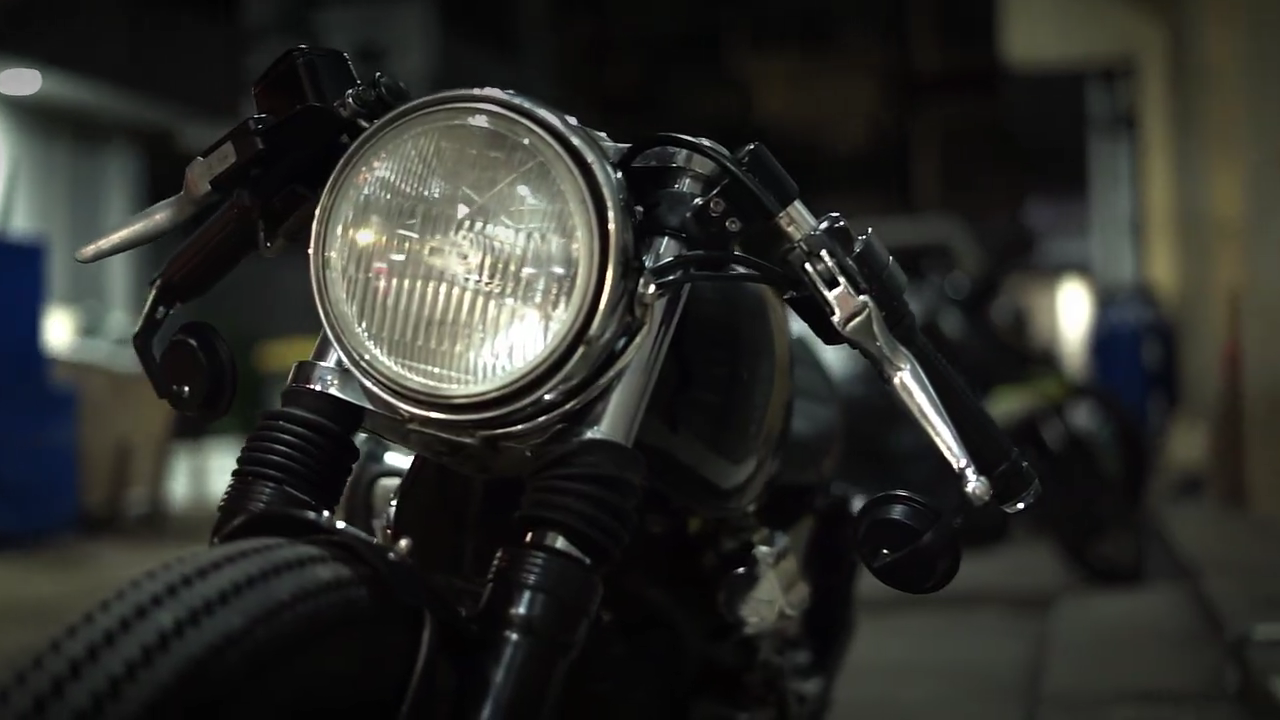
You believe the front suspension still needs work. The fork sliders were cut, but they still limit proper travel.
You see two possible improvements:
- Shorten the fork sliders even more.
- Keep the classic fork style instead of switching to inverted forks, since inverted forks would not match the vintage character.
Your goal remains clear. You focus on proportion, alignment, and stance. Every adjustment supports that balance without changing the simple and traditional feel of the bike.
How This Build Moves Harley Riders Forward
You rarely see a Harley Sportster carry true café racer lines. Many have tried. Few have reached the right stance.
I waited years to see a Sportster sit with the correct balance and posture. This project finally delivers that result.
You might notice it shares clear traits with an earlier build. I presented that one before. The same creator, Kevan Cahyadi Alam from Solace Motorcycle in Indonesia, shaped both machines.
Some may question originality. I focus on results. Kevan found a strong café racer formula in his first project and applied that method to a very different bike—a Harley. That choice alone shows bold thinking.
What Sets This Sportster Apart
You see the difference in the details:
- Rear wheel increased from 16” to 18”
- Front forks lowered by 15 cm
- Swingarm adjusted to lift and level the rear
- Fuel tank fully custom made for correct scale
- Seat and rear cowl custom built
- Exhaust system fully custom
- Triple tree custom made
- Belt drive converted to chain
Kevan did not rebuild the whole frame. He modified only the rear section.
He spent most of his effort on measurement and design, not expensive parts. He measured the stock Sportster for hours. That work helped him adjust scale, spacing, angles, and proportions before cutting metal.
You can see that precision in the final stance. The bike sits level. The lines flow cleanly from front to rear. The gaps look controlled.
Why This Matters to You
If you follow Harley builds, you know how hard it is to make a Sportster look right as a café racer. Many builds miss the balance.
This one proves you can achieve strong results through planning and patience. Kevan relied on trial and adjustment, not large budgets.
He still plans small changes:
| Planned Update | Purpose |
|---|---|
| Larger headlight | Better visual balance |
| Refined tank curve | Improved flow |
| 17” rear wheel with flat drag tire | Adjust stance and grip |
Even now, the bike stands as one of the strongest Sportster café conversions I have seen.
You can look at this build as a clear reference point for what careful design can achieve in the Harley community.
Conclusion
You can see that this build works because of precision and planning, not because of expensive parts. I focused on measurements, proportions, and alignment before touching the bike.
I spent hours studying the stock Sportster. That work showed me what to change and what to keep.
Instead of building a new frame, I adjusted only what mattered. I used a trial and error process that cost time, not money.
Key geometry changes:
- Rear wheel increased from 16” to 18”
- Front forks lowered 15 cm
- Swing arm adjusted to level the bike
- Belt drive converted to chain
Every line had to match. The scale, tank length, seat height, and angles had to fit the bike’s size.
Some parts had to be custom made because off-the-shelf pieces did not work.
| Custom Parts | Purpose |
|---|---|
| Fuel tank | Correct size and proportion |
| Seat and rear cowl | Clean cafe racer profile |
| Exhaust system | Balanced flow and style |
| Triple tree | Proper front stance |
You may notice one weak point. The front suspension travel is limited. Shorter fork sliders could improve it, but inverted forks would not fit the vintage look.
The project is still evolving. I plan to:
- Install a larger headlight
- Refine the tank curve
- Fit a 17” flat drag rear tire
Even now, the bike shows how a Sportster can achieve a true cafe racer stance when you focus on fit, balance, and clean lines.