You rarely expect a Harley Sportster to fit the clean lines of a cafe racer, yet you can see how well it works when design comes first. I walk you through why this build matters and why patience and planning can beat costly parts. You will notice how balance, stance, and fit change everything.
You will also hear why this project feels familiar yet fresh, and why that choice makes sense. I focus on how careful measuring and simple changes shape a strong result. You get a clear look at how a bold idea turns into a clean, usable bike.
Key Takeaways
- You see how a clear vision shapes a bold bike.
- You learn why design work matters more than expensive parts.
- You understand how this build influences modern cafe racers.
When a Sportster Takes a Café Racer Shape
You rarely expect a Harley Sportster to carry true café racer lines, yet this build proves it can work. From every angle, you see clean proportions and a low, level stance that feels precise and intentional.
You may recall a similar bike I showed before. Both builds share the same design mind, Kevan Cahyadi Alam from Indonesia, a founder of Solace Motorcycle. You see the same approach applied to very different machines, which shows a clear design method rather than imitation.
What makes this bike stand out is the focus on measurement, not expensive parts. You get a café racer stance by planning, testing, and adjusting before cutting or buying anything.
Key design priorities you can see
- Careful control of scale and length
- Tight gaps between parts
- Straight visual lines from front to rear
- A level riding position without frame replacement
Main mechanical changes
- Rear wheel increased from 16 to 18 inches
- Front forks lowered by 15 cm
- Swingarm adjusted to raise the rear and level the bike
- Belt drive replaced with a chain for tuning gear ratios
| Custom Parts | Purpose |
|---|---|
| Fuel tank | Proper size for the Sportster’s body |
| Seat and rear cowl | Match the café racer profile |
| Exhaust system | Clean routing and balanced look |
| Triple tree | Correct front-end alignment |
You only see one frame change, and it sits at the rear. That choice keeps the structure simple while still allowing the stance to work.
The front suspension limits travel, which affects function. Shorter sliders could help, but inverted forks would clash with the vintage feel you see here.
You should know the project is still in progress. Planned updates include a larger headlight, a refined tank curve, and a rear wheel change to fit a 17-inch flat drag tire.
Project Origins and Builder
Kevan Cahyadi Alam and the Solace Motorcycle Crew
You are looking at a build created by Kevan Cahyadi Alam, a founder of the Indonesian motorcycle group known as Solace Motorcycle. I have shown you another bike with nearly the same stance before, and this one comes from the same hands.
You may notice close similarities between the two machines. That is not copying. Kevan applied the same design thinking from his earlier 250 cc project to a Harley-Davidson Sportster, which makes this result stand out.
Key facts you should know:
| Detail | Information |
|---|---|
| Builder | Kevan Cahyadi Alam |
| Community | Solace Motorcycle |
| Location | Indonesia |
| Approach | Same stance philosophy, different base bike |
What Drove the Idea
You see this project because I have waited years to find a Harley Sportster with a true café racer stance. That moment arrived when Kevan chose to push this idea further than most builders dare.
You are not seeing a complex rebuild driven by expensive parts. Kevan spent most of his effort on design work, measurements, and testing ideas on paper before touching the bike.
The core idea behind the build:
- You start with careful measurements of the stock Sportster
- You test proportions through design, not guesswork
- You aim for precise alignment, balance, and scale
- You repeat the process until the stance feels right
You end up with a Harley that shows lines and balance you do not expect, while staying simple and controlled in its execution.
Design Process and Philosophy
You focus on stance first, not parts. You spend time studying the base bike until the right shape becomes clear.
Exact Stance and Balanced Shape
You aim for a clean café racer posture that looks right from every angle. You check scale, length, angles, and gaps so each part fits the whole.
| Area you adjust | What you target |
|---|---|
| Wheel sizes | Balanced front and rear look |
| Fork height | Lower front for a flat line |
| Rear height | Level bike stance |
| Body gaps | Tight and even spacing |
You choose custom parts only when stock options break the proportions. You build a fuel tank, seat, and cowl to match your drawings and the bike’s size.
Build, Test, and Refine
You rely on testing ideas before spending money. You measure the stock frame in detail, th en try many options on paper and in mockups.
- You compare changes before cutting metal
- You adjust small details until the stance feels right
- You modify only what needs change, mainly the rear frame section
You treat this bike as a refined step from your earlier work. You keep the vintage feel while improving fit, balance, and power delivery through careful choices, like switching from belt to chain.
Key Build Changes
Frame and Geometry Changes
You kept most of the stock frame and only reworked the rear section. You raised the back by adjusting the swingarm so the bike sits level.
Geometry updates you made:
| Area | Change |
|---|---|
| Rear wheel | Increased size from 16 in to 18 in |
| Front end | Lowered forks by 15 cm |
| Swingarm | Modified to lift the rear and level the bike |
You measured the stock Sportster in detail to control scale, angles, and gaps before cutting anything.
One-Off Parts
You built several parts from scratch to match the size of the bike. Off-the-shelf pieces did not fit the proportions you wanted.
- Custom fuel tank sized for the Sportster
- Handmade seat and rear cowl
- Full custom exhaust system
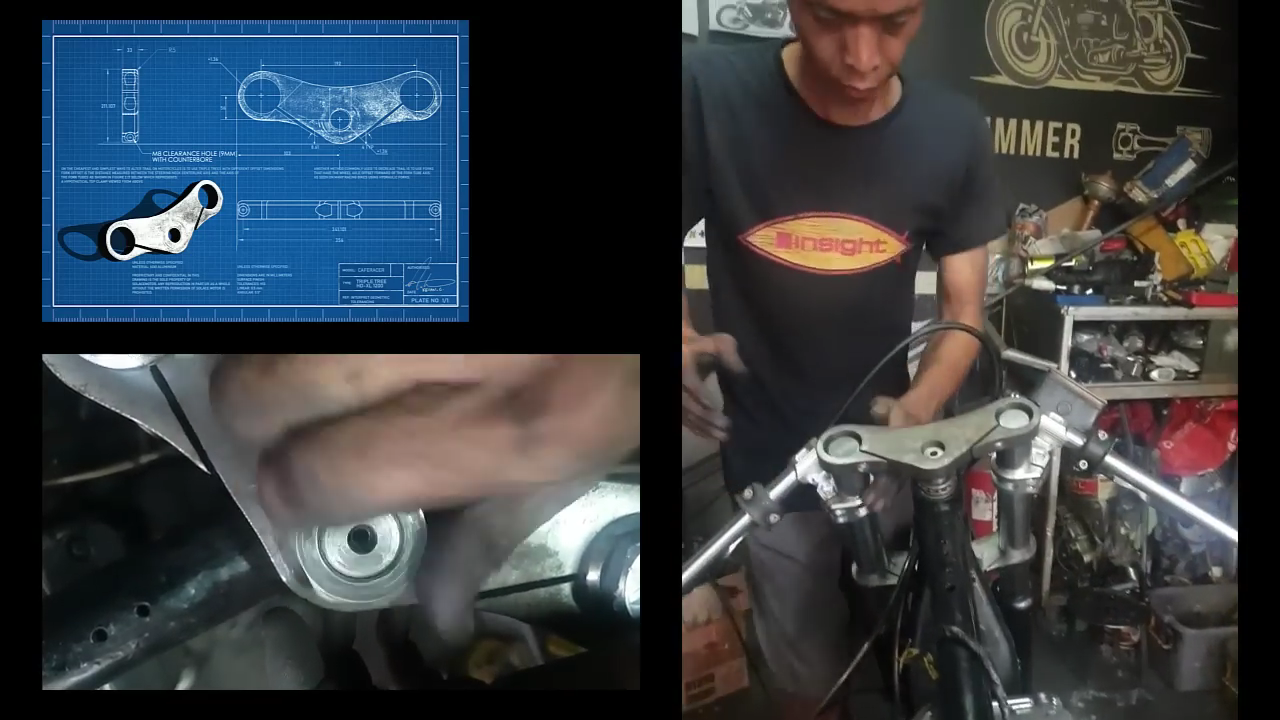
- Custom triple tree
You tested many tank options and rejected them until the shape matched your drawings.
Suspension Setup Changes
You shortened the front forks to lower the bike. Even with the cuts, the front travel remains limited.
You chose not to use inverted forks because they clash with the vintage look you wanted. Shorter sliders could improve function without changing the style.
Final Drive Change
You replaced the belt drive with a chain. This setup sends power to the wheel more directly.
The chain also lets you change gear ratios more easily for tuning.
What Makes This Build Stand Out
Cafe Racer Style and Stance
You see a true café racer posture from every angle. The bike sits level because the rear rises slightly and the front forks drop 15 cm.
Key changes that shape the look:
- 18-inch rear wheel replaces the stock 16-inch size
- Modified swing arm to keep the bike flat
- Custom fuel tank sized to match the Harley frame
- Hand-built seat and rear cowl
These choices give you clean lines and balanced proportions that you do not expect from a Sportster.
Precision in the Small Details
You notice careful planning in every measurement. Instead of costly parts, the design relies on time, testing, and exact fit.
Areas where this focus shows:
- Body length, angles, and gaps match on both sides
- Custom exhaust and triple tree fit the frame without clutter
- Rear frame changes stay limited to what the stance needs
You also get practical upgrades, like switching from a belt to a chain drive for smoother power and easier gear changes.
Project Evolution and Planned Improvements
You see this build as a clear step forward from my earlier work. I treated this Harley cafe racer as a refined version of my first project, using the same stance ideas on a very different bike. You can spot the shared lines, balance, and posture, even though the engines and platforms differ.
You also see how the project evolved through careful planning, not expensive parts. I spent most of my effort on design and measurement before cutting or buying anything. This approach let you test ideas on paper until the proportions felt right.
Key changes that shaped the current form:
- Rear wheel increased from 16 inches to 18 inches
- Front forks lowered by 15 cm
- Swing arm adjusted to lift the rear and level the bike
- Fully custom fuel tank, seat, and rear cowl
- Custom exhaust system and triple tree
- Rear frame section modified; the rest stays stock
- Belt drive replaced with a chain for better tuning options
You should also know this bike is not finished yet. I already see areas where I plan to improve function and detail.
Planned updates you can expect:
| Area | Planned Change |
|---|---|
| Front suspension | Shorter travel to improve function |
| Headlight | Larger unit for better balance |
| Fuel tank | Smoother curve refinement |
| Rear wheel | Swap to 17-inch wheel with flat drag tire |
You may notice the front suspension still feels limited. I believe reducing fork length further would help, while keeping the classic look by avoiding inverted forks.
Impact on the Cafe Racer Community
You see this build challenge long‑held doubts about mixing a Harley Sportster with cafe racer style. I show you that careful design and measurement can deliver clean lines and a true stance without extreme spending.
You also see how this project sets a clear example for Harley fans. It shows that time spent on design can matter more than costly parts, and that a classic brand can fit cafe racer values.
What this project pushes you to rethink:
- Design work before buying parts
- Using measurements to guide changes
- Keeping the frame mostly stock
- Respecting vintage style while refining stance
| Community Effect | What You Learn |
|---|---|
| Higher standards | Proportions and alignment matter |
| New inspiration | A Sportster can work as a cafe racer |
| Practical approach | Trial and error saves money |
You can take this as proof that strong cafe racer lines come from patience and planning. I expect this build to influence how you approach future Harley projects.
Conclusion
You can see how this build proves that careful planning matters more than expensive parts. You notice the clean stance because I focused on measurements, alignment, and proportion, not shortcuts.
What defines this project for you:
- Precise scale and balance across the whole bike
- Custom parts made only when needed
- Minimal frame changes with clear purpose
I see this motorcycle as a strong example of how design work shapes results. You don’t get this outcome by accident, and you don’t get it by copying parts lists.
Even with a few planned changes ahead, you’re already looking at a Sportster that sets a high bar. For you as a viewer and builder, this shows how far discipline and vision can really take a Harley.