You look at your beginner bike and wonder if upgrades make sense or just drain your wallet. You see this Royal Enfield Continental GT that a viewer built with serious parts, and you want to know if the money changed how it rides in real ways.
You walk through what matters, from grip and brakes to suspension feel, and you judge value instead of hype. You also think about ownership costs, including ways riders cut insurance bills when bikes sit more than they move.
Key Takeaways
- Smart upgrades can change how a beginner bike feels on the road.
- Suspension, tires, and brakes matter more than engine mods.
- Managing costs matters as much as choosing parts.
Overview of the Royal Enfield Continental GT Modifications
You look at this Continental GT and see a bike built far beyond stock trim. A fan of the channel put serious money into parts that change how the bike feels, not just how it looks.
You start at the front with Continental Sport Attack tires in 18-inch sizes. These sport-touring tires give you more grip and a softer ride than the factory rubber, which matters since tire options in this size stay limited.
You also get a fully reworked front fork. The stock fork tubes remain, but Traxxion Dynamics rebuilt the internals with new springs and valving. You can now adjust rebound, compression, and preload, which tightens control without making the ride harsh.
Front-end and control upgrades include:
- Woodcraft clip-ons set low for a café racer stance
- Dropped gauges to match the slammed look
- Brembo RCS 15 master cylinder for stronger brake feel
- Upgraded front brake pads
- Brembo-style clutch lever with a cable setup
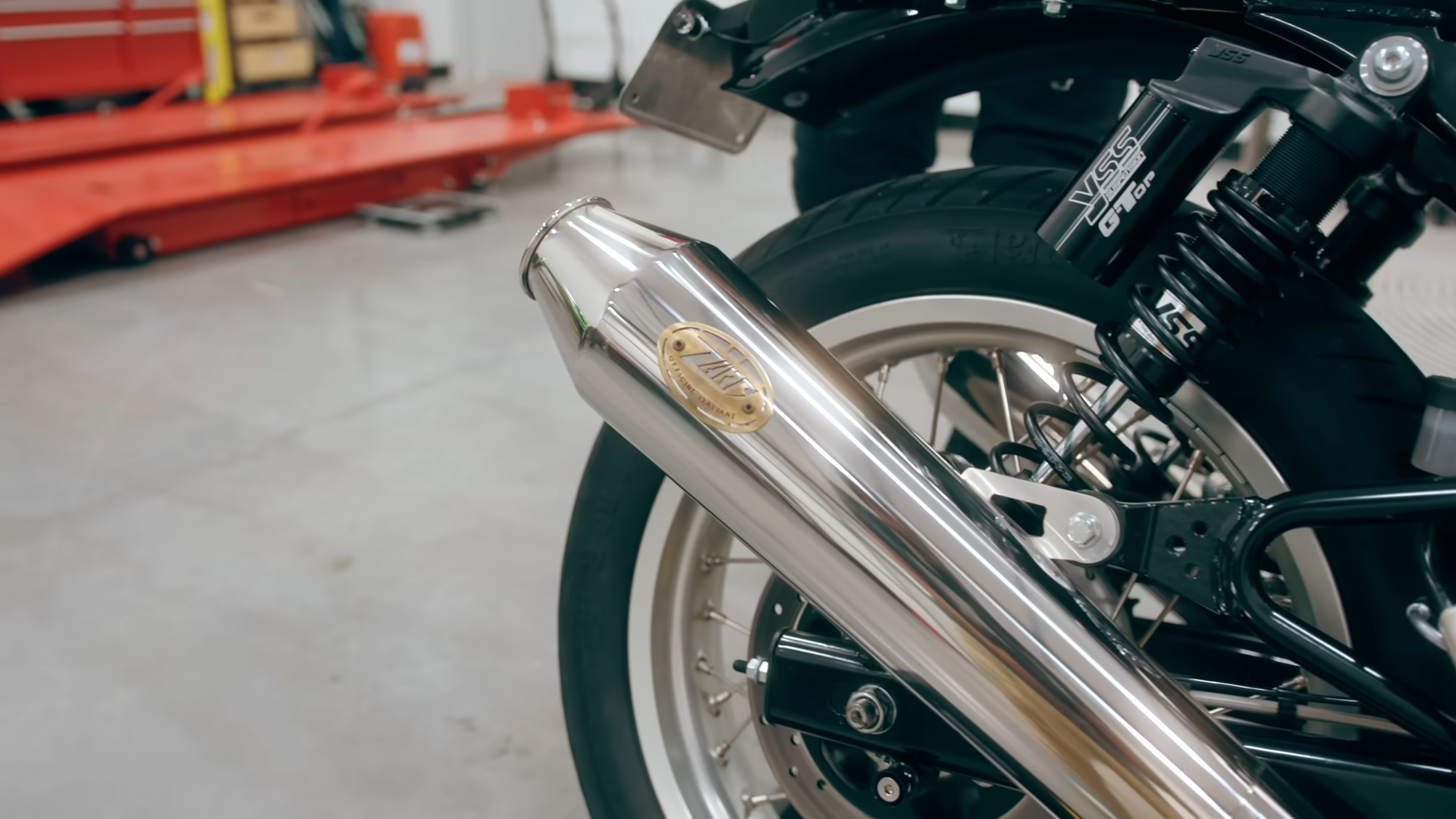
You keep the engine stock. You do not run a big bore kit or internal motor work, so power stays near factory output. Instead, you add a Zard slip-on exhaust, run without baffles, which changes sound rather than power.
At the rear, you rely on YSS shocks. This common upgrade improves feedback and stability compared to the stock setup.
| Area | Modification | Purpose |
|---|---|---|
| Tires | Conti Sport Attack | More grip and comfort |
| Fork | Traxxion Dynamics internals | Better control and adjustability |
| Brakes | Brembo RCS 15 + pads | Stronger, clearer braking |
| Exhaust | Zard slip-on | Improved sound |
| Rear Suspension | YSS shocks | Better rear feel |
You focus your money on suspension, brakes, and tires. Those changes shape how the bike rides every time you get on it.
Front End Upgrades
Continental Sport Attack Tires
You ride on Continental Sport Attack tires instead of the stock rubber. These sport-touring tires give you more grip and a softer feel than the factory bias-ply options. The bike keeps its 18-inch wheels, which limits choices, but this tire works well with that setup.
Reworked Fork Internals and Custom Setup
You still use the original fork tubes, but the internals are fully rebuilt. A suspension shop re-sprung and re-valved the fork and added full adjustment for rebound, compression, and preload. You feel better control with less dive and smoother response over bumps.
Lowered Instruments and Café Look
You drop the gauges lower on the front end. This change supports a lower, slammed café racer style. The riding position stays usable, not extreme.
Woodcraft Racing Clip-Ons
You fit Woodcraft clip-ons under the triple clamp. These parts come from race applications and cost more than basic options. Even with their position, the bars do not feel overly low while riding.
Brembo RCS 15 Master Cylinder and Levers
You install a Brembo RCS 15 front brake master cylinder. The lever gives you stronger feedback and more direct brake feel. You also run a Brembo-style clutch lever inspired by their race parts.
Front Brake Upgrades
You add new front brake pads to improve stopping power. With the master cylinder and pads working together, braking feels more controlled. You notice less fork dive and more confidence when slowing down hard.
Performance and Ride Enhancements
YSS Rear Suspension Upgrade
You get a stronger feel from the back of the bike with the YSS shock pair. The rear tracks the road better and feels more planted over bumps. This change brings a clear improvement compared to the stock setup.
Zard Slip-On Muffler
You hear a deeper, classic sound from the Zard slip-on. This exhaust costs about $890 and runs without baffles. The engine stays stock, so the sound change matters more than any power gain.
Engine Setup Choices
You keep the motor in factory form. You skip the big bore kit and other internal work. Power stays around stock levels, which keeps the bike simple and reliable.
Handling and Rider Fit
You feel a big step up in control from the suspension, brakes, and tires working together. The reworked front fork adds adjustability for rebound, compression, and preload, which limits dive and smooths bumps.
- Tires: Continental Sport Attack rubber adds grip and a more supple ride.
- Brakes: A Brembo RCS 15 master cylinder and fresh pads improve lever feel and stopping control.
- Controls: Woodcraft clip-ons sit lower but stay comfortable, giving you a sporty stance without strain.
On-Road Impressions
Ride Quality and Tire Feel
You notice the suspension right away. It feels controlled, not stiff, and it deals with bumps and road waves without drama.
The Continental SportAttack tires add grip and a softer feel than the stock bias-ply rubber, which makes the bike feel calmer and more planted.
Stopping Power and Lever Control
You feel a big jump in brake confidence. The Brembo RCS 15 master cylinder gives a firm lever and clear feedback.
Hard braking brings very little front-end dive, and the bike stays composed when you squeeze the lever.
Turning Behavior and Highway Composure
You tip into corners with trust in the front end. The fork setup keeps the bike stable and avoids sudden movement.
At around highway speed, the bike tracks straight and smooth, with no harshness or wandering over uneven pavement.
How It Stacks Up Against Similar Bikes
You can tell this setup goes well beyond a stock Interceptor 650. The ride feels more refined and controlled.
With the suspension, brakes, and tires sorted, it rides closer to a Triumph Thruxton in balance and road manners, even though the engine stays stock.
Cost and Payoff of Upgrading a First Bike
What You Actually Spend on Upgrades
You can spend real money fast when you start changing parts on a beginner bike. This Continental GT shows how costs add up when you focus on tires, suspension, brakes, and sound.
| Upgrade Area | What Was Done | Cost Notes |
|---|---|---|
| Tires | Conti Sport Attack | Better grip than stock |
| Front suspension | Re-valved and re-sprung fork | Custom internal work |
| Controls | Woodcraft clip-ons | Race-style, not cheap |
| Brakes | Brembo RCS 15 master cylinder and pads | Strong feel upgrade |
| Exhaust | Zard slip-on | About $890 |
| Rear suspension | YSS shocks | Common improvement |
The engine stayed stock, so power did not increase. Most of the money went into feel and control, not horsepower.
When Deep Mods Make Sense
You should think hard before going this far on your first bike. If you want better handling, braking, and ride quality, these changes deliver clear results.
You may want to skip heavy mods if you plan to move on soon. You cannot expect to get this money back when you sell the bike.
How the Changes Affect Your Riding
You feel the biggest gains in suspension, brakes, and tires. The bike stays more stable, dives less under braking, and feels smoother over bumps.
The exhaust adds sound, not speed. I like that the owner skipped the big bore kit and put money into parts you touch and feel every ride.
Motorcycle Insurance Savings
How Voom Coverage Works
You pay for insurance based on how much you ride. If your bikes sit in the garage, you stop wasting money on full coverage you do not use. This setup fits riders with more than one bike or a short riding season.
Why Pay-Per-Mile Can Cut Costs
You can save up to 60% compared to standard insurance. Some policies start around $50 per year.
You do not install any tracking device or app. You just send a photo of your odometer.
Key points
- No hardware or software
- Works well for low-mile riders
- Simple mileage reporting
Who Qualifies and Where It’s Offered
You can get this coverage if you live in one of the states below. Availability stays limited to these areas right now.
| Available States |
|---|
| Arizona |
| Ohio |
| Illinois |
| Indiana |
| Iowa |
| Oklahoma |
| Wisconsin |
| Missouri |
| Texas |
| Tennessee |
If you ride less, own multiple bikes, or park your bike for part of the year, this option can lower your insurance costs.
Conclusion and Final Thoughts
You feel the biggest gains where you touch the bike most. The fork internals, shocks, brakes, and tires change how the bike reacts under you at every speed.
What stands out on the road
- Front end control: You get less dive and steadier braking from the reworked fork.
- Brake feel: The Brembo RCS 15 gives firm bite and clear feedback at the lever.
- Ride quality: The Conti Sport Attack tires add grip and a smoother feel on rough pavement.
You notice that good suspension does not mean stiff suspension. You feel how adjustability and tuning manage bumps, rebound, and grip without harshness.
| Area | What you notice |
|---|---|
| Suspension | Calm over bumps, stable at speed |
| Brakes | Strong, predictable engagement |
| Tires | Better grip and comfort |
| Engine | Stock power, usable torque |
You hear the slip-on and enjoy the sound, but you also see the value in skipping big engine work. You put money into control parts that shape every ride, and that choice pays off each time you roll on the throttle and squeeze the brakes.