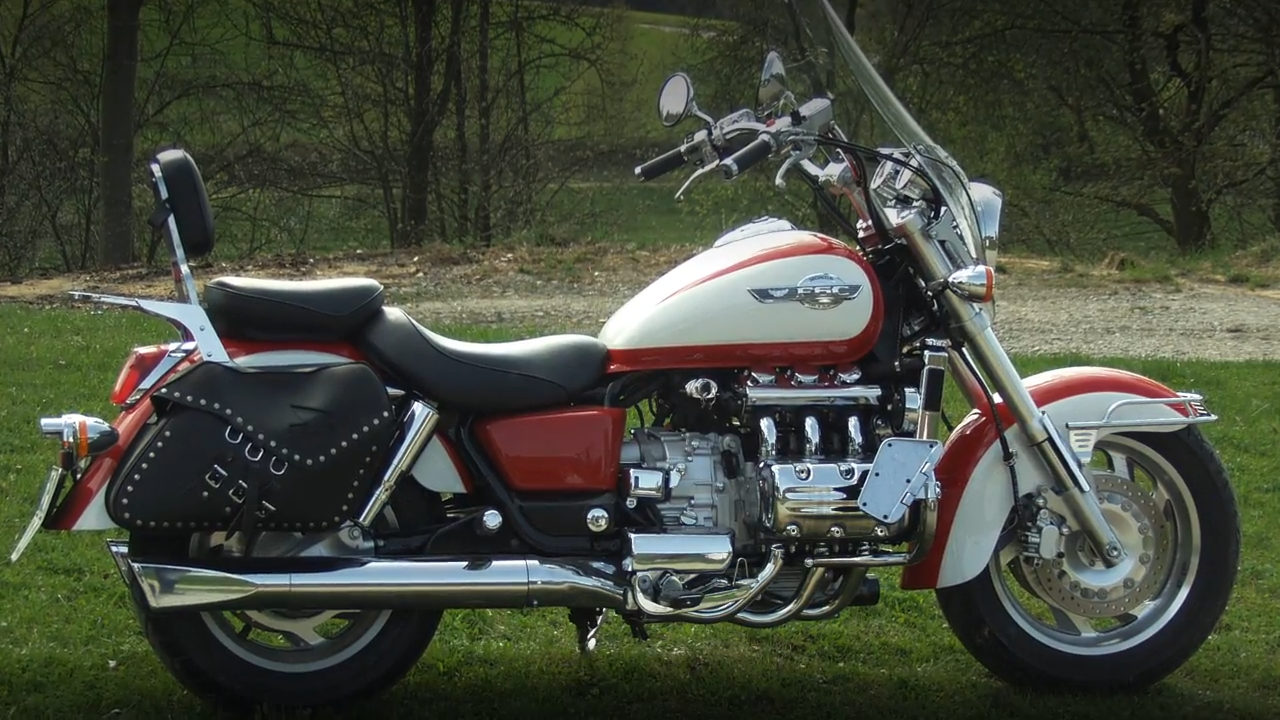
You hear a raw engine note and might picture a race car with open pipes. I challenge you to rethink that guess. That fierce sound comes from a Honda Valkyrie, a bike built between 1996 and 2003, powered by a 1,500 cc flat-six engine with six cylinders and six carburetors.
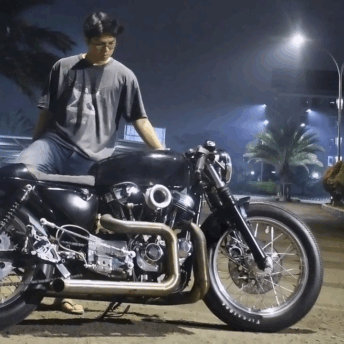
You are about to explore a bold café racer built around that engine. I show you how a builder in Spain reshaped frames, mixed parts from several Honda models, and even adapted classic Porsche carburetors to make everything work as one machine. You will see how careful design, custom engineering, and smart proportions turn a massive engine into a balanced and rideable motorcycle.
Key Takeaways
- You discover how a flat-six engine powers a unique café racer build.
- You see how custom engineering makes different parts function together.
- You understand how smart design keeps a large motorcycle balanced and usable.
The Honda Valkyrie Cafe Racer Project
How You Brought This Machine to Life

You built this motorcycle in Spain as the owner of Dragon’s Motorcycles, now called DS Motorcycles. Many riders know you from the BMW project shown in 2018, but this build pushed you much further.
You began with a 1977 Honda GL Gold Wing frame. Then you installed a 1,500 cc flat-six engine from a Honda Valkyrie, produced between 1996 and 2003.
This engine runs six cylinders and six carburetors. Honda first designed this flat six in 1987 for the fourth-generation Gold Wing, and later adapted it for the Valkyrie with camshaft changes and six separate carburetors.
You also used:
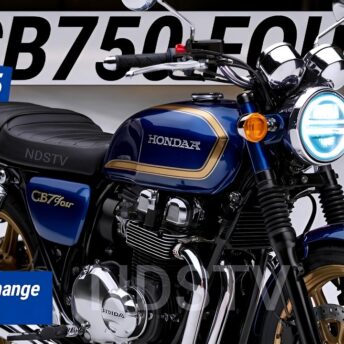
- A Honda CB750 Super Sport fuel tank cover
- Weber carburetors from a 1968 Porsche 911
- 50th Anniversary Gold Wing engine covers
To fit the wider and taller flat-six into the Gold Wing frame, you rebuilt almost the entire structure. The transmission shaft did not line up with the swingarm, so you modified the layout to make everything work together.
You created many parts from scratch, including:
- Front and rear brake discs
- An enlarged rear wheel rim for proper alignment
- A custom driveshaft and rubber joint boot
- Rear set foot pegs
- A fixed front hub cover
- A fully rebuilt fuel tank interior
You also designed a remote-controlled electric system. It lifts the subframe to give access to the wiring. Even the retractable turn signals are custom made.
This project required advanced technical skill. Every visible and hidden detail demanded careful work.
The Idea Behind Your Valkyrie Build
You asked a simple question: what if you built a cafe racer around a Honda Valkyrie engine?
The idea felt risky but possible. Large engine customs with V8 or V12 units often lose real usability, but this flat-six still works as a true motorcycle engine.
You wanted a machine that stayed rideable while pushing the limits of reason. The result carries a massive engine, yet keeps balanced proportions.
You paid close attention to visual harmony. The front wheel measures 19 inches, but large 360 mm brake discs make it appear smaller and keep the bike in proportion.
The sound also shaped your vision. With open exhausts and Porsche 911 carburetors, the flat-six delivers a tone that reminds you of a 911 on two wheels.
You focused on originality, engineering quality, and clean design. Even with such a large engine, you controlled the lines and avoided visual imbalance.
Technical Specifications and Components
Power Unit and Output
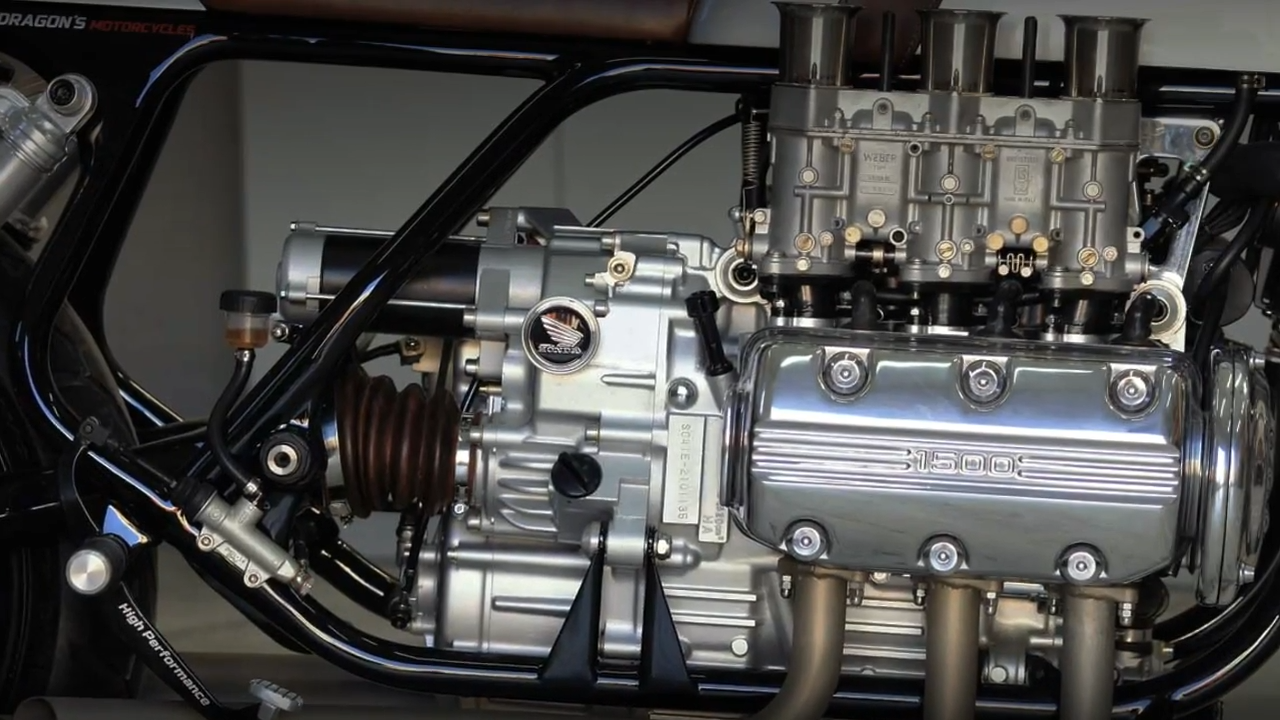
You work with a 1,500 cc flat-six engine with six cylinders and six individual carburetors. Honda first designed this engine in 1987 for the fourth generation Gold Wing. Nine years later, the company adapted it for the Valkyrie with revised camshafts and separate carburetors for each cylinder.
This engine is larger and taller than the original Gold Wing unit. You also use 50th Anniversary Gold Wing engine covers.
With open exhaust pipes, the flat-six produces a sharp and distinct sound.
Key Engine Details
- Displacement: 1,500 cc
- Configuration: Flat-six
- Carburetion (original Valkyrie setup): Six individual carburetors
- Origin: Honda Gold Wing (1987), later used in Valkyrie
Structure and Frame Setup
You start with a 1977 Honda GL Gold Wing frame, but you rebuild most of it. The flat-six engine does not fit without major changes.
The engine sits wider and taller than the stock unit. The transmission shaft does not align with the swing arm, so you modify the structure to correct it.
You also build or modify several key parts:
- Custom-made brake discs (front and rear)
- Enlarged rear wheel rim to match front alignment
- New driveshaft (cardan) connection
- Custom rubber joint boot
- Rear set foot pegs made from scratch
- Front hub cover that stays fixed while the wheel turns
The front wheel measures 19 inches, though it appears smaller due to the large 360 mm front brake discs.
You fully rebuild the inside of the fuel tank. You also create a subframe that supports the custom seat and rear cowl.
An electric system with remote control lifts this rear structure. This setup gives you access to the electrical components. Even the retractable turn signals are custom-built.
Carburetion and Special Integrations
You install two banks of Weber carburetors from a 1968 Porsche 911. These carburetors replace the standard setup.
They may look like a direct fit, but you complete extensive hidden modifications to make them function with the flat-six engine.
Main visible components include:
- Weber carburetors (1968 Porsche 911)
- Honda Valkyrie flat-six engine
- 1977 Honda GL Gold Wing frame
- Fuel tank cover from a Honda CB750 Super Sport
You combine parts from different machines and make them operate as one complete system.
Engineering Challenges and Solutions
Rebuilding the Main Frame Structure
You start with a 1977 Honda GL frame, but the flat six engine does not fit. The Valkyrie engine is both wider and taller than the original Gold Wing unit.
You must rebuild most of the frame to make space. The transmission shaft does not line up with the swingarm, so you adjust the structure to correct the alignment.
You also reshape the fuel tank area. You rebuild the inside of the tank so it fits over a new subframe that supports the custom seat and rear cowl.
An electric system, controlled by remote, lifts this subframe. This design gives you access to the wiring hidden underneath.
Powertrain and Shaft Drive Integration
You install a 1,500 cc flat six engine with six carburetors. This engine started in the fourth generation Gold Wing and later moved to the Valkyrie with cam changes and individual carburetors.
You choose Weber carburetors from a 1968 Porsche 911. They look like they belong there, but you complete major hidden work to make them function with this engine.
You cannot use the original driveshaft as it is. You build a custom transmission cardan to connect the engine to the drivetrain.
You also create a new rubber joint boot to match this setup. Every part must align correctly for smooth power delivery.
One-Off Parts and Hand-Built Components
You do not rely on off-the-shelf parts. You machine all brake discs from scratch.
You widen the rear rim to achieve correct alignment with the front wheel. The front hub cover stays fixed in place while the wheel spins, and you build it yourself.
You fabricate the rear set foot pegs instead of buying aftermarket units. The retractable turn signal system is also custom made.
You use large 360 mm front brake discs to balance the visual weight of the 19-inch front wheel. Each choice helps you keep the motorcycle proportional despite the large engine.
Distinctive Elements and One‑Off Craftsmanship
Parts I Built by Hand
You are not looking at a bike built from catalog parts. I made many key pieces from zero.
- Brake discs – I produced all of them myself.
- Rear wheel rim – I widened it to align it correctly with the front wheel.
- Driveshaft (cardan shaft) – I built a new one to connect the engine to the transmission.
- Rubber joint boot – Custom made to fit the new setup.
- Rear set foot pegs – Fabricated from scratch.
- Front hub cover – Designed to stay fixed while the wheel rotates.
I also rebuilt the inside of the fuel tank so it could mount to the subframe that supports the custom seat and rear cowl.
The frame itself required major changes. The flat‑six engine is wider and taller than the original unit, and even the transmission shaft did not line up with the swing arm. I had to rework almost the entire structure to make everything function together.
Electrical Setup and Remote Operation
You do not see all the work at first glance. I designed a remote‑controlled electrical system that raises the rear substructure.
When you activate it, the seat and rear section lift up. This gives you direct access to the electrical components underneath.
I integrated this system into the custom rear framework, which also supports the rebuilt fuel tank interior and seat unit.
Hidden Turn Signal Mechanism
You will not find these indicators in any store. I created the retractable turn signal system specifically for this motorcycle.
It blends into the design and extends only when needed. Like many other elements on this build, I engineered it to match the proportions and clean lines of the bike.
Aesthetic Design and Proportions
Visual Harmony and Stance
You face a very large flat-six engine, so you must control the bike’s shape with care. I made choices that keep the machine in proper proportion, even with its wide and tall engine.
The front wheel may look like a common 17-inch setup. It is not. It measures 19 inches, but I disguised its size with massive 360 mm front brake discs.
This detail changes how you read the bike from the side. The large discs reduce the visual impact of the tall wheel and help the motorcycle look balanced instead of front-heavy.
I also enlarged the rear rim to align it correctly with the front wheel. That alignment keeps the stance clean and prevents the bike from looking uneven.
Wheels and Braking Components
I did not buy the brake discs from a catalog. I built all brake discs from scratch.
Those large 360 mm front discs do more than stop the bike. They shape how you see the front end and help hide the true wheel size.
The rear wheel rim was widened to achieve the correct alignment. This step was not cosmetic. It ensures the wheels sit in line with each other and support the overall visual balance.
Even the front hub cover required special work. It stays fixed in place while the wheel rotates, adding another precise detail to the final look.
Engine Sound and Ride Experience
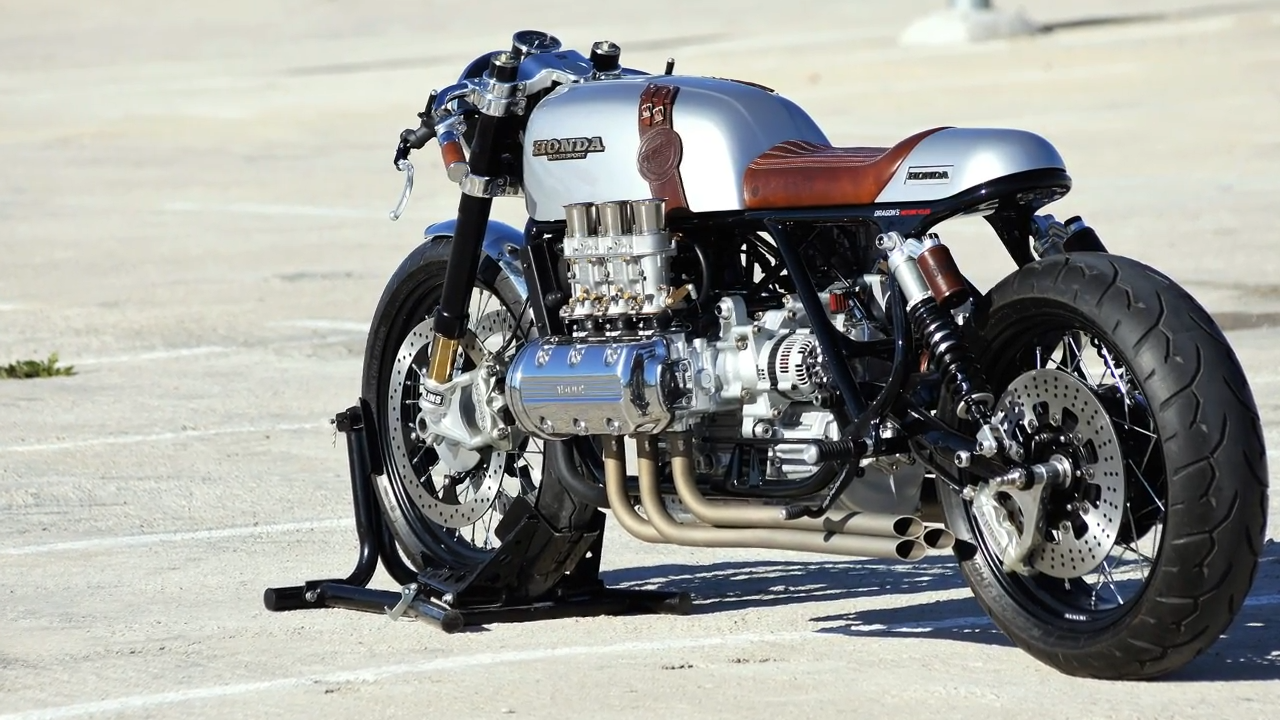
You hear the engine before you see the bike. I asked you to guess the source of that sound, and most people think of a race car with open pipes. In fact, that deep and sharp tone comes from a 1,500 cc flat-six taken from a Honda Valkyrie built between 1996 and 2003.
This engine runs six cylinders and six carburetors, and it delivers a raw note through open exhausts. When you listen to it, you notice a strong, layered sound that fills the space around you. It feels close to what you would expect from a classic Porsche 911, and that link makes sense because the two banks of Weber carburetors come from a 1968 Porsche 911.
I do not have road footage of this bike in motion. You can only rely on the audio samples, but they clearly show how intense and mechanical the tone is. Each throttle input produces a sharp and direct response.
Even with its large size, this project remains usable as a motorcycle. I built it to be ridden, not just displayed. The engine may look extreme, but you can still enjoy it on two wheels.
Key sound and setup details:
- 1,500 cc flat-six engine
- Six individual carburetors
- Open exhaust configuration
- Weber carburetors from a 1968 Porsche 911
- Camshaft updates used in the Valkyrie version
Every time you hear this flat-six run, you understand why this machine stands apart. The sound alone defines much of the ride.
Final Thoughts on This Six-Cylinder Build
You are looking at a motorcycle that pushes the edge of what still works on the road. It carries a 1,500 cc flat-six engine, yet it remains usable and balanced. You do not just see a big engine. You see a machine where every part had to adapt to something larger and more complex.
You get a mix of parts that rarely meet on one bike:
| Component | Source |
|---|---|
| Frame | 1977 Honda GL Gold Wing |
| Engine | Honda Valkyrie flat six |
| Carburetors | 1968 Porsche 911 (Weber) |
| Tank cover | Honda CB750 Super Sport |
You feel the result in both sound and design. The open exhaust gives you a sharp and mechanical tone. The six Weber carburetors feed the engine in two banks, and they demand careful setup to work as one system.
You also see craftsmanship in parts most builders would buy ready-made. This project includes:
- Handmade brake discs
- Custom rear wheel alignment
- Modified transmission shaft
- Custom rubber joint boot
- Handmade rear sets
- Rebuilt fuel tank interior
- Remote-controlled electrical access system
- Custom retractable turn signals
You notice how the design stays in proportion despite the engine size. The 19-inch front wheel looks smaller because the 360 mm brake discs dominate your view. That choice keeps the bike visually balanced.
You do not just get size or noise. You get engineering, planning, and careful execution. Every visible detail and hidden solution works together to support that flat-six engine and its distinct sound.