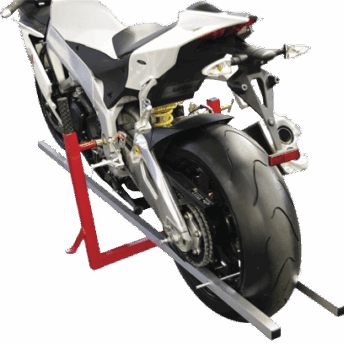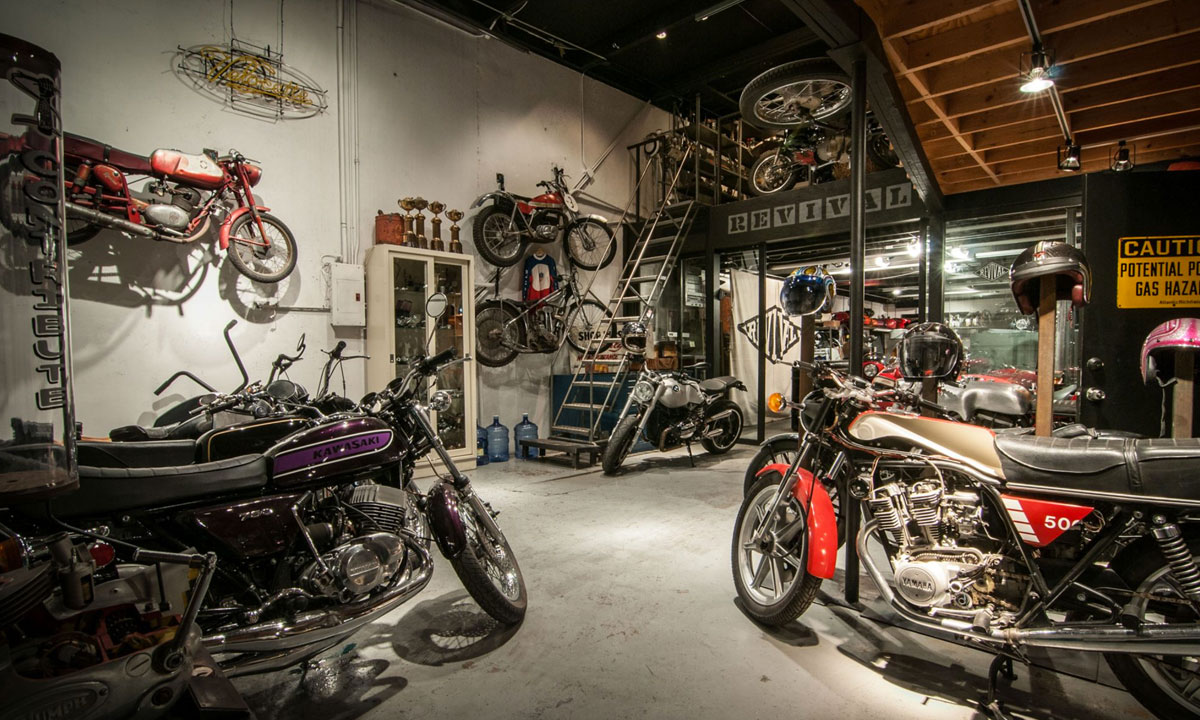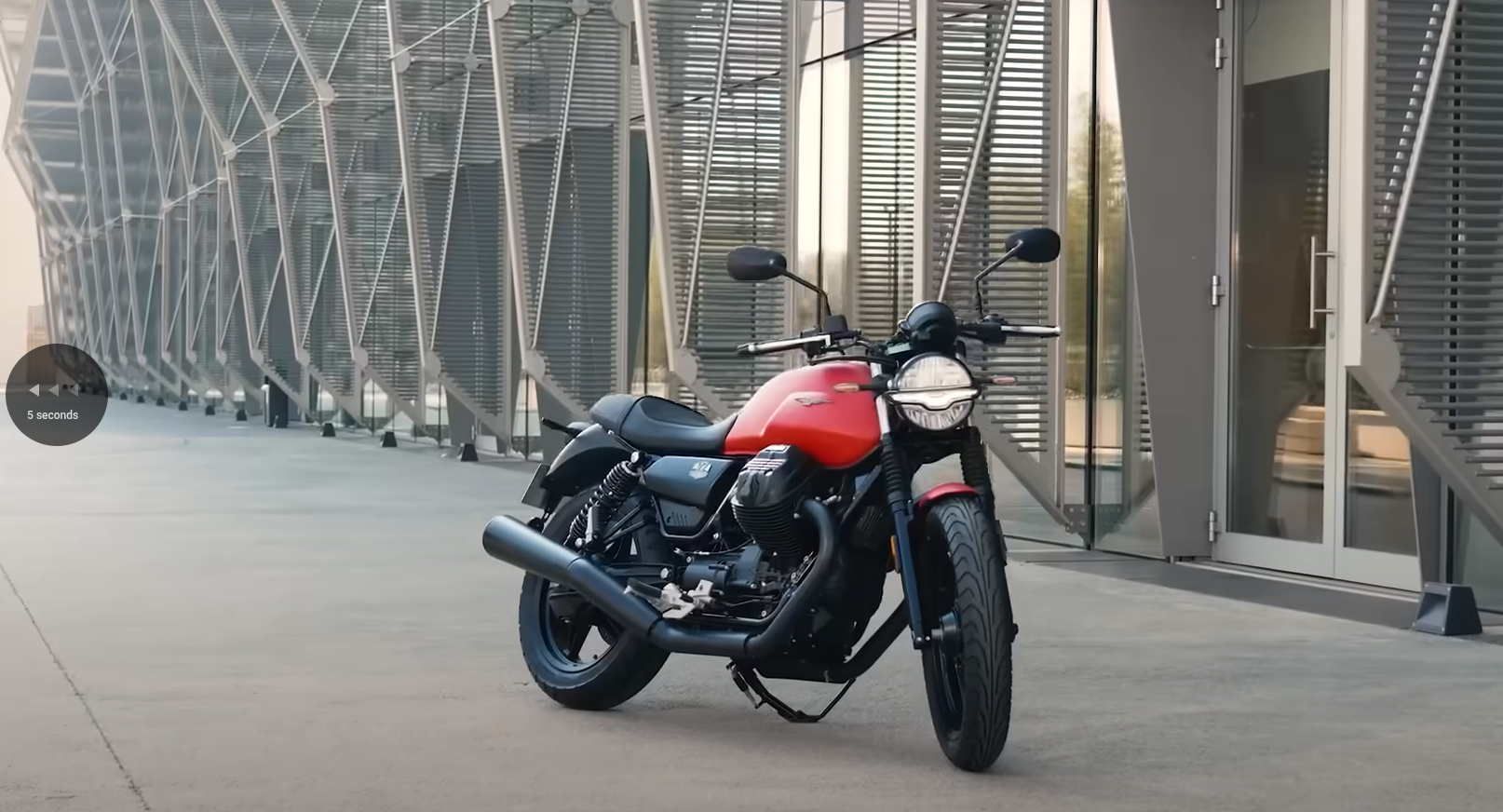
A custom build always looks right in the garage. The lines are clean, the metal catches the light, and every part feels deliberate. It reflects the choices that shaped it. Out on the street, though, the same bike starts telling a different story.
City riding changes your priorities fast. Traffic thickens, gaps close, and the pace turns uneven. What felt right during the build can feel very different after a few rides through busy streets. Visibility changes. Comfort shifts. Gear that once seemed optional starts to matter.
That’s where the real test begins, not in how a bike looks standing still, but in how it holds up when the ride gets slow, crowded, and unpredictable.
When the Ride Gets Real
A few rides through city traffic are often enough to reset your expectations. It stops being about open stretches and smooth corners. Everything happens in short bursts. Roll forward, stop, glance over your shoulder, move again. The rhythm changes, and so does the way you interact with the bike.
Space becomes something you read constantly. Cars edge in closer than expected, pedestrians step out without warning, and every opening feels temporary. You start noticing things that barely registered before, like how quickly you can react, how clearly you can see, and how much concentration it takes to stay sharp after twenty minutes of stop-start riding.
That’s when gear stops being part of the look and starts becoming part of the ride, not in some dramatic way, but in the simple fact that it helps you stay focused without getting in the way.
Helmets and the Reality of Head Exposure
Helmet choice usually begins with style. Open-face lids suit the look of a stripped-back build, while full-face designs can feel a little out of place on something more minimal. That view often shifts after enough time in traffic, especially once you start thinking about how even low-speed incidents can lead to concussions, impact injuries, or more serious head trauma.
At lower speeds, different details start to stand out. Peripheral vision matters when you’re checking mirrors and watching side streets. Visor clarity matters when the light keeps changing and traffic never settles into a rhythm. Noise, which is easy to ignore on a short ride, starts to wear on you when your attention needs to stay high.
That’s also when the idea of exposure becomes harder to brush off. In tight, unpredictable traffic, the margin for error feels smaller, and the head is often the most vulnerable point in any impact. In more open regions like Arizona, higher speeds and longer stretches bring a different kind of risk, while places like New York mean constant congestion and tighter spaces. In Illinois, where dense city traffic meets a mix of vehicles and road users, that exposure becomes part of everyday riding. It’s the kind of environment where even routine moments in traffic can turn serious, something a Chicago attorney for traumatic brain injuries after bike crashes would likely be familiar with.
Riders don’t usually change their gear overnight, but their priorities do change. What once felt like a compromise for the sake of style starts to feel more like a choice shaped by experience.
Control at Low Speeds
In traffic, control matters more than power. The street reduces everything to small inputs and quick responses. A smooth throttle, a predictable front brake, and a clutch that doesn’t fight back start to matter far more than outright performance when the gap ahead opens for a second and closes just as quickly.
That shift changes how you think about gloves. A pair that feels fine on a short ride can become distracting when you’re working the controls nonstop. Too bulky and you lose feel. Too thin and fatigue sets in sooner than expected. In traffic, that balance becomes obvious because your hands are always in use.
Brake feel belongs in the same conversation. In stop-start riding, confidence comes from consistency. You want a setup that feels direct every time you reach for it, without making you second-guess the response. It’s the sort of detail that doesn’t get much attention when a bike is parked, yet proves its value every time the pace gets messy.
Seeing and Being Seen
Traffic sharpens your awareness in ways open roads never do. It goes beyond what’s ahead. You’re also tracking what’s happening to the side, behind you, and just outside your line of sight. Cars drift, drivers hesitate, and blind spots become something you think about all the time.
Positioning starts to matter more than speed. Where you sit in the lane, how early you adjust your line, and how clearly you present yourself to others all shape how predictable you appear. Small adjustments can make the difference between being noticed and being missed, especially in situations where visibility is already limited, something reflected in broader motorcycle safety guidance.
There’s a balance to it. You need to see everything, but you also need to process it quickly. That’s where mirror setup, helmet field of view, and even posture start to matter. Riders who spend real time in traffic tend to refine these details because the environment leaves little room for laziness.
Comfort That Holds Up
Comfort starts to matter in ways that aren’t obvious at first. On a short ride, almost anything feels manageable. In traffic, where you’re constantly adjusting speed, posture, and focus, small discomforts build quickly. What felt fine for twenty minutes can become a distraction after an hour.
Heat is usually the first thing you notice. Sitting between cars with limited airflow changes how the gear performs. Materials that feel great at speed can feel heavy or restrictive when the pace drops. Ventilation, weight, and fit all play a part in whether you stay focused or start thinking about how uncomfortable you are.
Pressure points show up soon after. Gloves that pinch, a helmet that shifts just enough, or boots that don’t flex quite right can pull your attention away from the road. In an environment that demands constant awareness, that kind of distraction adds up fast.
What Earns Its Place
Time in traffic has a way of filtering out what matters and what doesn’t. Gear that looks right in the garage doesn’t always hold up when the ride becomes constant and unpredictable. After enough miles on busy streets, your choices start to shift toward what feels reliable, consistent, and easy to live with.
That doesn’t mean giving up style. It means refining it. Riders start to favor pieces that work across different conditions without needing constant adjustment. A helmet that stays comfortable through stop-start riding, gloves that keep their feel without wearing you down, and gear that supports awareness instead of distracting from it.
It’s a gradual process. Nothing changes overnight, but every ride adds a little more clarity. The things that prove themselves stay. The rest get replaced or left behind. For riders working out that balance, it helps to see how others approach helmet choices for different riding styles.
Conclusion
Real traffic changes the way a rider judges gear. It cuts through theory and gets straight to what holds up when the pace is uneven, the space is tight, and your attention has to stay locked in. Things that once felt like style choices start to reveal a more practical side.
That shift doesn’t have to come at the expense of character. The best setups still feel personal. They just come from experience rather than assumption. After enough time on busy streets, you start to value the gear that supports the ride without asking for attention in return.
That’s what earns its place. Not the part that looks best on a stand, but the one that still makes sense once the road gets crowded and the ride gets real.