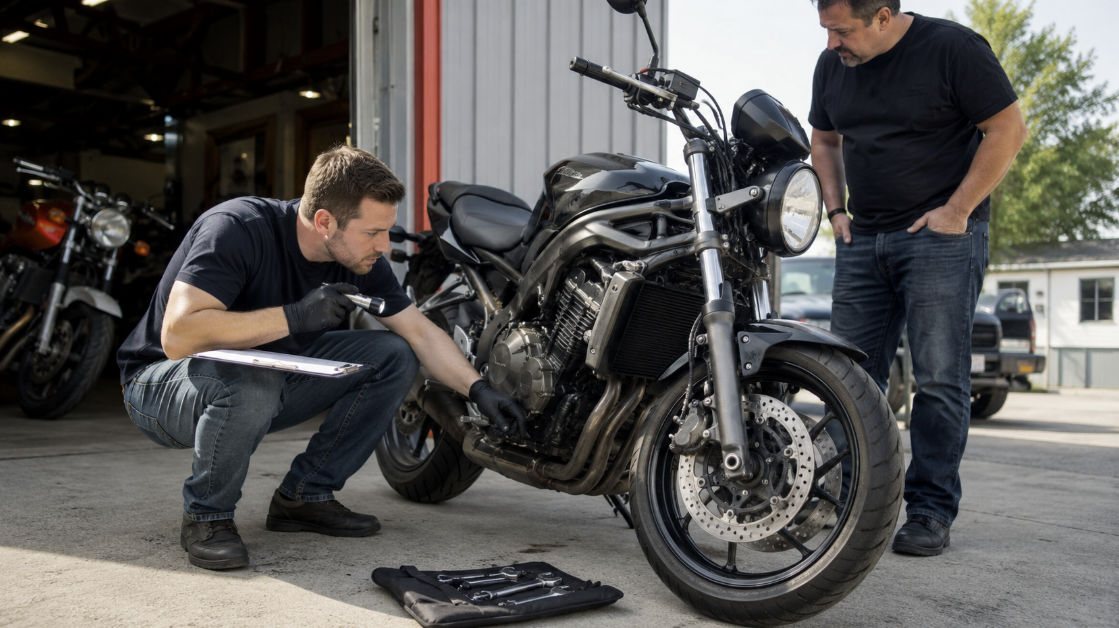
A used motorcycle can be a great long-term companion or a short and expensive lesson. Whether this is a first bike for a new rider or an upgrade for a seasoned one, every stage of the acquisition demands full attention. Bring a notebook and pen to every viewing. Take your time at each section of the machine and never let excitement override observation. Used motorcycles reward those who arrive prepared and punish those who rush.
Before stepping near any pre-owned motorcycles, pull the full history from a trusted source. Ownership records, accident details and title status for any model are all available through vininspect.com with a single lookup before the viewing. That report surfaces flags the seller may not volunteer. Reviewing the service history before arriving lets a buyer start asking the right questions immediately and make an informed decision grounded in verified facts rather than seller confidence.
Start With Vehicle History
Every motorcycle carries a unique VIN stamped on the chassis. Cross-referencing that number confirms no active lien and no stolen record in official databases. Any mileage discrepancy between service records and the actual odometer signals tampering. A well-maintained motorcycle keeps a consistent paper trail throughout its entire lifespan. Request every receipt the previous owner holds for parts or labor before any commitment begins.
Frame and Engine Inspection First
Check the frame systematically before opening the throttle. Inspect the downtube and gusset areas for any dent or crack that points to prior crash damage. Welds showing grinding marks or fresh paint applied over old metal reveal repair history the seller omitted. Look for oil leaks around every gasket junction and check the oil level on a cold engine with the bike on its center stand. Signs of leaks at the head gasket and primary covers indicate neglected sealing. Carefully check the underside of the tank for surface rust or discoloration from past fuel exposure.
Brake System and Safety Components
The front brake lever carries every confidence decision at speed. Squeeze it fully and note the resistance point and travel distance before engagement. Spongy feel indicates worn pads or air in the hydraulic line. Test brake lights from both levers before any assessment ride begins. A motorcycle with compromised or inconsistent braking carries an invisible price tag far beyond the asking figure.
Key brake checks before committing:
- Lever firmness and travel distance before engagement
- Pad thickness visible at the caliper slot
- Disc surface for scoring or heat hot spots
- Indicator function from both lever positions
Suspension and Steering Check
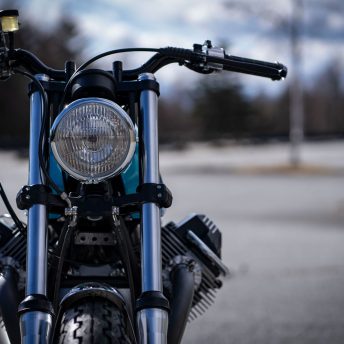
Slide a dry cloth along each suspension tube from the top seal downward. Oil residue on the cloth confirms failed fork seals and flags repair work as immediately overdue. Look inside the front fender area below the seals for staining that reveals how long the leak has persisted. Check the fork tubes for deep scratches or pitting which accelerate future seal failure. Rock the steering head through its full arc from lock to lock and feel for any notchiness or resistance. Tight spots felt through the bars indicate a prior frontal impact. Any visible leak dripping from a fork seal onto the rotor below demands resolution before purchase.
Drivetrain Condition and Chain Health
Lift the chain at its mid-span with one finger and measure the slack. A healthy used bike allows 25 to 30mm of movement at most. More than that and the chain and sprockets require replacement as a complete set. Examine the sprockets for hooked or shark-fin tooth profiles. Those are the clearest signs of wear on any drivetrain component. A motorcycle presenting with a fresh chain-and-sprocket set alongside new tires carries plenty of life left before the next major service.
| Item | What to Check | Concern Level |
| Chain | Slack at mid-span | Over 30mm means replace |
| Cogs | Tooth profile | Hooked teeth need replacement |
| Tires | Tread and sidewall | Cracking means replace now |
| Seal condition | Oil residue on tubes | Wet tubes mean active leak |
Lights, Electrics and Instrument Panel
Start the bike cold and note the startup behavior. A well-functioning motorcycle fires within one or two cranks and settles into a stable idle within 30 seconds. Listen for any unusual noises once the engine runs. Rattles that rise with revs and metallic tapping at idle both warrant deeper investigation before any purchase. Test all high and low beams alongside turn indicators and horn operation. A dashboard that shows fault codes after startup reduces the asking price for any informed buyer.
Body Condition and Aftermarket Parts
Every panel holds information. A crack in the fairing often leads a trained eye to probe beneath for hidden frame damage from a previous tip-over. Dents on the fuel tank reveal storage habits and riding history from whichever previous rider left them. An aftermarket exhaust system alters the fuel map and often signals further modifications that may not be visible. Non-factory parts are not automatically problematic but they transfer full evaluation responsibility to the buyer. An experienced rider reads bodywork the way a navigator reads terrain.
Documentation and Ownership Questions
Before you buy a bike from any seller, prepare a document checklist that covers ownership, debt and modification history. Ask the seller for the title, any maintenance records and a current registration. Questions to ask when buying any motorcycle from someone selling independently differ significantly from those directed to a retail shop. A private sale transfers all liability to the new owner so an inspection checklist applied thoroughly at that stage protects the entire investment. Never finalize a transfer without confirming the title is clear of liens and matches the serial number on the frame.
| Document | What to Confirm | Red Flag |
| Title | Matches frame number | Mismatched or missing |
| Service log | Consistent entries | Gaps or missing years |
| Maintenance log | Regular oil and chain intervals | No records at all |
| Purchase docs | Parts and service dates | No paperwork after sale |
A checklist for buying a used motorcycle structures the visit and stops emotion from overriding evidence. Bring the owner’s manual when available and match every specification against the physical bike. Ask when buying a used motorcycle whether any active powersports warranty transfers to the new owner. Buying privately removes dealer protection but delivers better pricing and more direct access to the bike’s actual history.
Test Ride and Final Decision
Pull the clutch in fully and feel for smooth travel with a clean engagement zone. Shift through every gear on the move and listen for any crunch or grind that doesn’t feel right under load. Run the engine through the full rev range and note any hesitation or flat zone in the delivery. A trusted mechanic accompanying the ride converts a standard test ride into a professional assessment. Any motorcycle the seller refuses to demonstrate deserves serious scrutiny regardless of how it looks.
Buying a used motorcycle that passes every physical and documented check represents genuine value. Used motorcycles for sale at a dealership carry inspection assurance and typically a short warranty but a price premium to match. Looking at a bike through a private seller demands personal diligence in exchange for stronger value. The bike is worth the asking price when condition, history and feel all confirm the same conclusion. The perfect bike is the one where nothing requires explanation after the inspection ends.
Conclusion
The goal of thorough inspection is to find the perfect motorcycle at a price that reflects true physical condition. A motorcycle in good condition with complete and honest documentation rewards every minute spent on the review. The buying process favors those who inspect a used motorcycle with discipline and walk away from anything that raises concern. Costly repairs discovered after purchase erase the initial savings faster than most buyers expect.
Regardless of source the inspection standard never changes. A motorcycle’s character reveals itself across a full inspection rather than a single glance. When you’re buying and comparing against a new bike option, the used choice built on verified history often delivers stronger value per dollar. Buy a used motorcycle only after it passes every section of this guide. Buying a used bike with patience and method builds lasting confidence on every road ahead.
FAQ
Why does fork seal failure matter so much on a used motorcycle?

Leaking seals drip oil directly onto the brake rotor and compromise stopping power at the worst possible moment. Beyond the safety concern the repair cost at a shop typically runs between 150 and 300 dollars per individual leg depending on the model. Identifying the issue before purchase creates meaningful room for price negotiation or a clear reason to walk away from the bike entirely.
Can a motorcycle with 60,000 kilometers still represent good value when buying?
Mileage tells far less than maintenance history on a motorcycle. A machine with 60,000 well-documented highway kilometers often outperforms a 15,000-kilometer bike with no service log and visible signs of hard use. Consistent commuting miles treat engines more gently than repeated short cold-start trips do over the same total distance.
What makes non-factory parts a serious concern during inspection?
Non-standard components signal personalization which carries no inherent judgment. The concern arises when modifications are performed without professional installation or when they void manufacturer warranty terms. An exhaust system without a compliant emissions marking suggests tuning work that often extends beyond the visible component alone.
How should a buyer handle a seller who refuses to allow a pre-purchase inspection?
A seller who refuses any demonstration on a motorcycle listed for street use raises an immediate question. The stated reason is often insurance liability but it may also conceal mechanical faults that only emerge under load. Offering to add the seller as a named rider on a temporary policy clarifies the intent quickly. If refusal continues the motorcycle should be treated as a pass regardless of how it presents visually.
Is buying used bikes through a licensed shop safer than buying from someone selling independently?
A licensed shop typically provides a pre-sale inspection and a short warranty period that private sales never offer. That protection carries a 10 to 20 percent premium above private market pricing for similar machines. A careful independent seller with complete service documentation and a clean title check often delivers equal peace of mind at considerably lower cost.