Insurance adjusters scrutinize a motorcycle license endorsement date long before reviewing the actual collision report. A newly minted license creates an immediate opening for defense attorneys to shift liability onto the victim. The legal system inherently penalizes inexperience on two wheels.
When a collision involves a rider with less than a year of saddle time, settlement negotiations rarely focus on the negligent driver. Instead, the entire dispute revolves around the rider’s specific evasive maneuvers or improper steering inputs just seconds prior to impact. Inexperience weaponizes normal human reaction times against the injured party.

Why Insurance Adjusters Target Inexperience
Defense strategies heavily rely on the presumption that new motorcyclists lack the physical reflexes necessary to avoid collisions. A sudden vehicle turning left creates a severe emergency, but opposing counsel argues a seasoned rider recognizes the threat sooner. This dynamic turns a straightforward failure-to-yield scenario into a highly contested liability dispute. The defense builds upon assumed incompetence.
Recent data from the National Highway Traffic Safety Administration reveals that in 2024, there were 6,228 motorcyclists killed, 16% of all traffic fatalities. Claims representatives weaponize statistics to cast doubt on any novice rider’s competence. They construct a narrative suggesting the injured party failed to execute proper defensive riding techniques. This tactic legally absolves the negligent automobile driver of total financial responsibility.
Common Beginner Errors That Ruin Liability Claims
Identifying the exact mechanical failure made by a novice rider forms the foundation of most defense arguments. Opposing legal teams dissect the milliseconds preceding an impact to uncover improper control inputs. Small errors destroy perfectly valid claims.
Target Fixation And Object Collision
Novice motorcyclists frequently stare directly at the hazard they desperately want to avoid. This physiological response forces the motorcycle to travel exactly toward the dangerous object. Defense attorneys love target fixation because it implies the crash resulted from panic rather than unavoidable circumstances.
“Defense lawyers routinely use the motorcycle’s onboard computer data to show the rider panicked. If they can prove you locked up the brakes instead of steering around the hazard, they can shift the blame and destroy an otherwise clear-cut case,” stated Brent Stewart, practicing Columbia motorcycle accident lawyer and founder of Stewart Law Offices, a firm recognized as the 2026 Best Overall Law Firm by the Post and Courier.
Improper Braking Technique
Grabbing a handful of the front brake lever abruptly causes the front tire to wash out. This leads to the rider hitting the pavement before ever making contact with the negligent driver’s vehicle. Such premature ejections severely compromise personal injury settlements. Adjusters argue the physical injuries stemmed from the fall rather than the automobile’s intrusion into the right-of-way.
Poor Lane Positioning
Vehicle blind spots provide easy ammunition for an insurance adjuster. Riding continuously in the shadow of a commercial truck guarantees the motorcycle remains invisible to turning traffic. Defense engineers argue the collision occurred simply because the rider failed to maintain a dominant position within the traffic flow.
How Comparative Fault Reductions Work
Jurisdictions handle shared blame through various proportional assignment models. If a jury determines a rider’s poor braking technique contributed to the severity of the crash, the court reduces the final financial award by that specific margin. Legal teams calculate these margins down to single digits. Shared blame destroys maximum financial recovery.
The Legal Information Institute outlines how modified comparative negligence prevents recovery if a plaintiff’s assigned blame reaches 50 percent or exceeds 50 percent, depending on the specific state’s jurisdiction. This strict legal threshold explains why insurance companies invest heavily in crash reconstruction engineers. These professionals specifically look for signs of rider hesitation to push the novice rider’s fault past the disqualifying boundary.
Overcoming The Novice Stigma With Physical Evidence
Combatting bias requires objective proof of the opposing driver’s absolute negligence. Skid mark measurements establish exact vehicle speeds before the collision. High definition security footage leaves no room for subjective interpretations of a rider’s competence. Video footage silences biased adjuster opinions.
Succeeding in this massive system demands pristine evidence collection from the crash scene. A well-documented police report identifying clear traffic violations by the opposing driver strips the defense of its ability to emphasize the motorcyclist’s lack of road experience.
The Role Of Rider Education Courses
Completing a certified training program offers a powerful counterargument against claims of incompetence. Certificates from recognized riding academies prove the motorcyclist received formal instruction on emergency maneuvers. This documentation forces the defense to attack the specific facts of the crash rather than the rider’s general background. Formal training establishes a baseline competence.
Statistics from the Centers for Disease Control and Prevention show:
- 13% Share of all motor vehicle crashes involving motorcycles.
- 22x Increased likelihood of a fatal crash per mile traveled compared to cars.
- 6,000 Total motorcyclist lives lost on U.S. roads.
- 218,000+ Injuries severe enough to require emergency room treatment.
- $65 Billion Total economic and quality-of-life loss from fatal injuries.
Demonstrating a proactive approach to safety helps distance a claimant from this demographic of preventable injuries. Juries look favorably upon riders who invested time in mastering advanced collision avoidance techniques.
When The Motorcyclist Lacks A Proper Endorsement
Operating a motorcycle without a valid state endorsement creates immense legal vulnerabilities. While riding unendorsed is illegal, most courts do not consider the lack of a license as negligence per se in a crash, as the lack of documentation does not proximately cause the collision. Opposing counsel uses the lack of licensing to argue the individual possessed no legal right to occupy the lane where the crash occurred.
Unlicensed riding complicates every legal maneuver. Proving complete legal compliance before the impact forces the conversation back to the actual cause of the collision.
Questions About Beginner Riding Mistakes And Claims
Does a learner’s permit restrict financial recovery after a crash?
Operating within the specific restrictions of a learner’s permit preserves a claimant’s right to pursue full damages. However, violating a permit rule gives the defense direct grounds to assert comparative negligence. Riding after sunset without authorization easily reduces the final settlement payout.
Can the insurance company access a rider’s training records?
Adjusters routinely request training certificates during the discovery phase of a lawsuit. Providing proof of completing a basic rider course establishes fundamental competence. Conversely, failing a state-mandated skills test just weeks prior to a collision becomes highly damaging evidence during deposition questioning.
Will dropping the motorcycle before impact ruin the case?
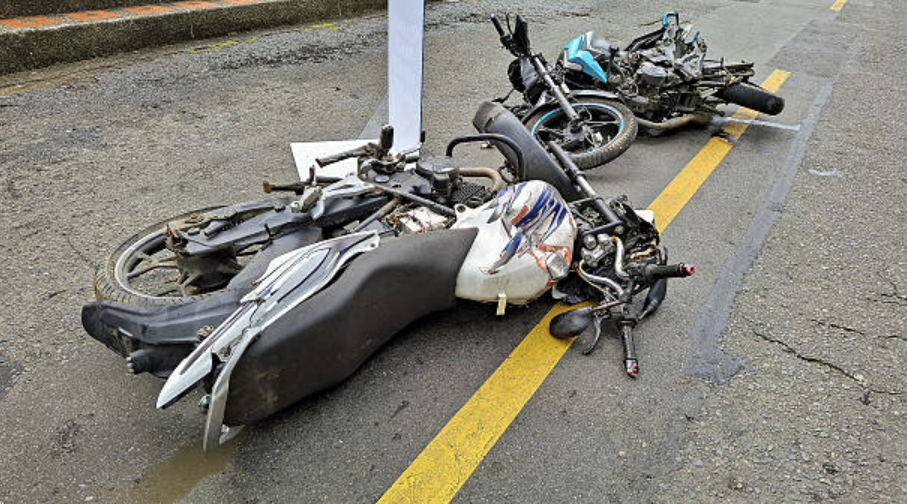
Lying a bike down intentionally qualifies as a loss of control. Defense engineers analyze asphalt gouge marks to prove the motorcycle decelerated more slowly on its side. Tire rubber grips better than sliding plastic. Proper threshold braking yields a much stronger liability argument.
This content is for informational purposes only and does not constitute legal advice. Readers should consult a licensed attorney for guidance specific to their situation.