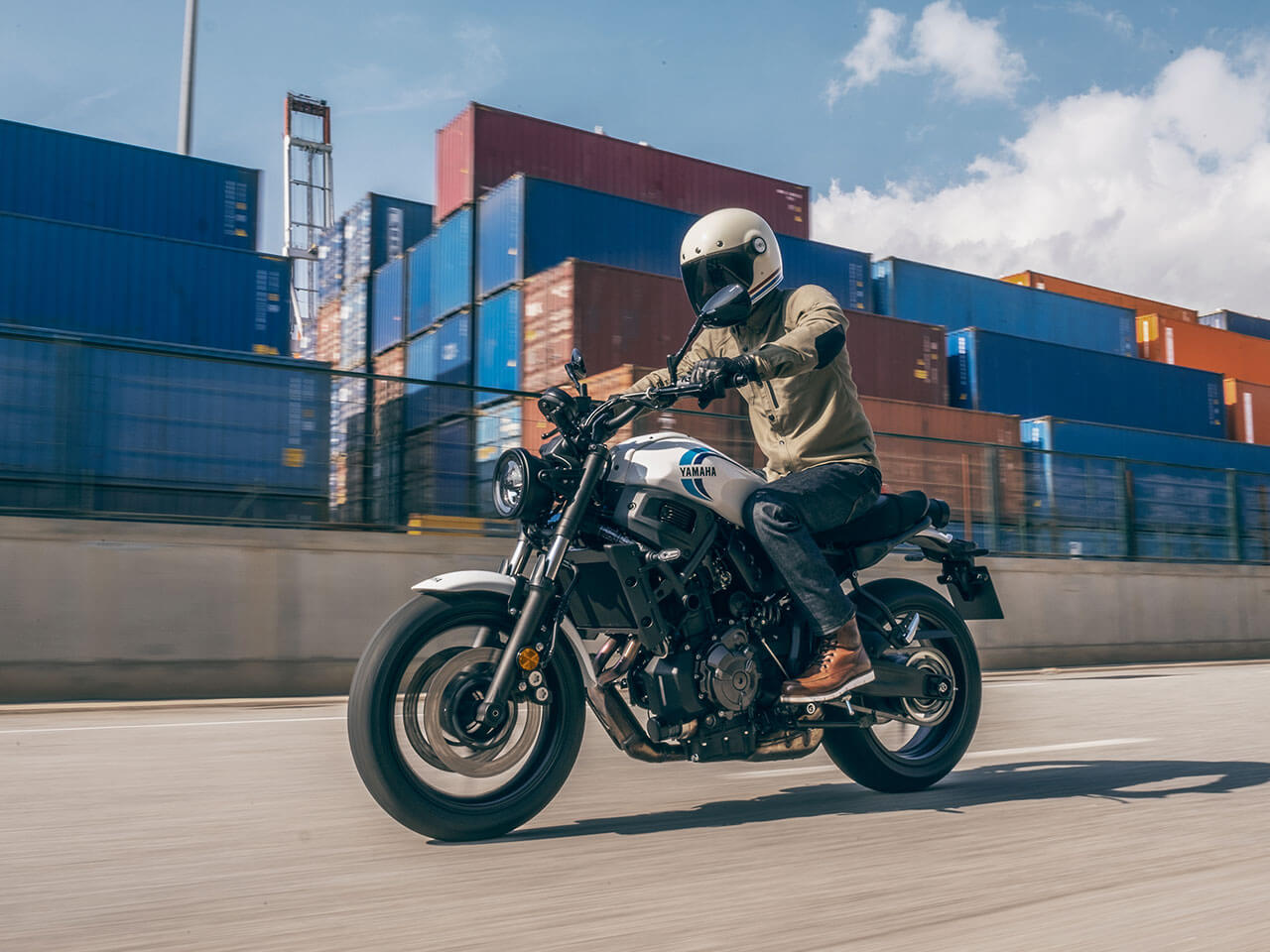
It usually starts with one photo that stops you mid-scroll. A European café racer with a detailed paper trail going back to day one. A Japanese two-stroke that never left its home market. An old British single with matching numbers and factory extras you didn’t even know existed. Maybe an American cruiser that’s finally making its way back after decades overseas. For collectors, finding a bike like that feels like years of digging through forums finally paid off. It is the end of scrolling and reading endlessly on auction sites, and 2 a.m. eBay rabbit holes.
Here’s the part nobody warns you about: winning the auction or wiring the money is usually the easy bit. The real headache starts after you own the bike, when you actually have to get it home. This is your guide to buying a motorcycle overseas, and everything that comes after you hit “confirm purchase.”
Why Riders Are Looking Outside Their Own Country
More and more collectors are shopping internationally, and it’s not hard to see why. Overseas markets often have a deeper pool of rare variants, bikes in better shape thanks to a drier climate or someone who actually kept them in a garage, and models that were never sold in your country to begin with. Sometimes the exchange rate works in your favor, even after you factor in shipping. International auction houses have also made it stupid easy to bid on a bike from your couch without ever setting foot in another country.
Owners’ clubs and enthusiast forums help too. Riders swap notes on which regions tend to have the cleanest, most untouched examples of a given model. A bike that spent its life somewhere dry, for instance, probably dodged the rust issues you would expect from one that sat in a damp garage for thirty years. Add it all up, and buying abroad starts to look like a smart move, well before you even think about how the bike gets to your garage.
The Paperwork Is Way More Annoying Than Expected
Once the deal is done, you are staring at a stack of documentation that a local purchase never would have required. Title verification has to confirm the bike can legally change hands across a border. Export paperwork from wherever the bike is coming from needs to be filled out correctly, and import rules on your end determine what documentation, inspections, or even modifications your new bike might need before it can hit the road legally.
Taxes and duties vary wildly depending on the bike’s age, value, and country of origin, and one mistake on the paperwork can turn a two-week wait into a two-month one. You do not need a law degree to wrap your head around the basics, but you do need to pay attention to the details, and it is usually worth leaning on someone who does this kind of import regularly.
Protecting the Bike Before It Goes On a Cargo Ship
Long before your new-to-you machine gets loaded onto anything, it needs to be documented properly. Clear photos and a thorough inspection give you a clear record of exactly what condition the bike was in before it left, which matters for insurance and for proving nothing got swapped or damaged along the way. A written condition report gives everyone, buyer, seller, and whoever is handling transport, something concrete to point to if a question comes up later.
Depending on how valuable or fragile the bike is, it might need enclosed storage before it even ships, just to keep it away from weather and rough handling. Getting a motorcycle ready for international transport is not as simple as wheeling it up a ramp. It may mean securing loose parts, noting existing wear, and coordinating pickup with people who actually understand that a 1970s Ducati does not get handled the same way as a modern commuter bike.
Picking the Right Way to Ship It
How the bike actually travels is one of the biggest decisions in the whole process. Enclosed transport keeps it shielded from road grime and weather but usually costs more than open options. Container shipping gives you a sealed environment for the ocean crossing, while roll-on/roll-off (RoRo) shipping is quicker and often cheaper, but the bike will get handled more during loading and unloading, and sits exposed to the elements a bit longer.
Climate matters here too, especially for bikes with original paint, leather, or chrome that were never built to survive extreme heat, cold, or humidity swings. The difference, between shipping something replaceable and shipping something you will never find again, is usually what separates a clean import from an expensive lesson.
Not Every Shipping Company Handles Bikes the Same Way
Once you have settled on open, enclosed, container, or RoRo, you still have to pick who will actually be moving the motorcycle. International vehicle shipping is a crowded space, and a lot of companies built their entire operation around cars, with motorcycles treated as an afterthought bolted onto the same trailer. That distinction matters more than people realize, since a bike needs different tie-down points, different crating for ocean freight, and a driver who actually knows not to strap it down by the handlebars.
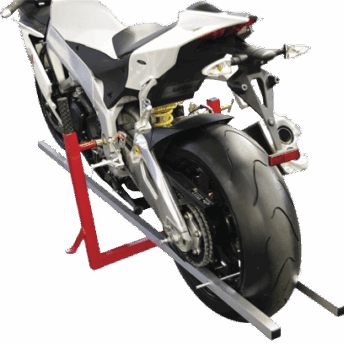
A handful of companies in this space, like ShipYourCarNow, ship many vehicle types as standard parts of their business rather than a side offering, which tends to show up in the details: proper wheel chocks, soft-tie restraints instead of anything that could scratch a tank, and staff who have actually loaded a bike onto a trailer before. When you are vetting a shipper for an overseas import, it is worth asking directly how many motorcycles they move in a given month, not just cars, since that answer tells you a lot about how much of their process was actually built with bikes in mind.
Clearing Customs Is Not the Finish Line
Getting through customs feels like a big hurdle, but it is not the end of the road, unfortunately. Once a bike clears import inspection, it still usually needs domestic transport to get to its final destination. Whether that is your garage, a restoration shop, or a storage unit somewhere. Anyone thinking about buying a motorcycle overseas should think about the whole picture: the purchase, sure, but also the shipping, the customs process, and the final delivery. That last leg deserves just as much planning as the international part, because dropping the ball here can undo all the care you put into everything before it.
Planning Beats Winging It
Timelines on international motorcycle imports are never really fixed due to many reasons:
- Bad weather at sea
- A customs officer who decides to flag your shipment for a closer look
- Paperwork that does not quite match up
Any of it can add extra weeks onto the process. Marine cargo insurance covers you against loss or damage in transit, but only if it is actually set up correctly before the bike ships, not after something goes wrong. Staying in close contact with the seller and whoever is handling the transport cuts down on the miscommunications that tend to happen at the worst possible moments.
Riders who go with experienced logistics partners, like ShipYourCarNow, tend to sidestep the costly surprises that catch first-timers off guard. That kind of experience is hard to replace with research alone, since so much of this process comes down to relationships with customs brokers, shipping lines, and inspectors across multiple countries.
Bottom Line
Tracking down a classic motorcycle overseas can be one of the most satisfying finds in the hobby, but a smooth import comes down to planning every step, not just landing the deal. The riders who have the easiest time are the ones who treat transportation and paperwork with the same seriousness they gave to finding the bike in the first place. Winning the auction takes a few seconds. Getting that bike safely into your garage can take weeks or months, so it pays to handle it one step at a time.