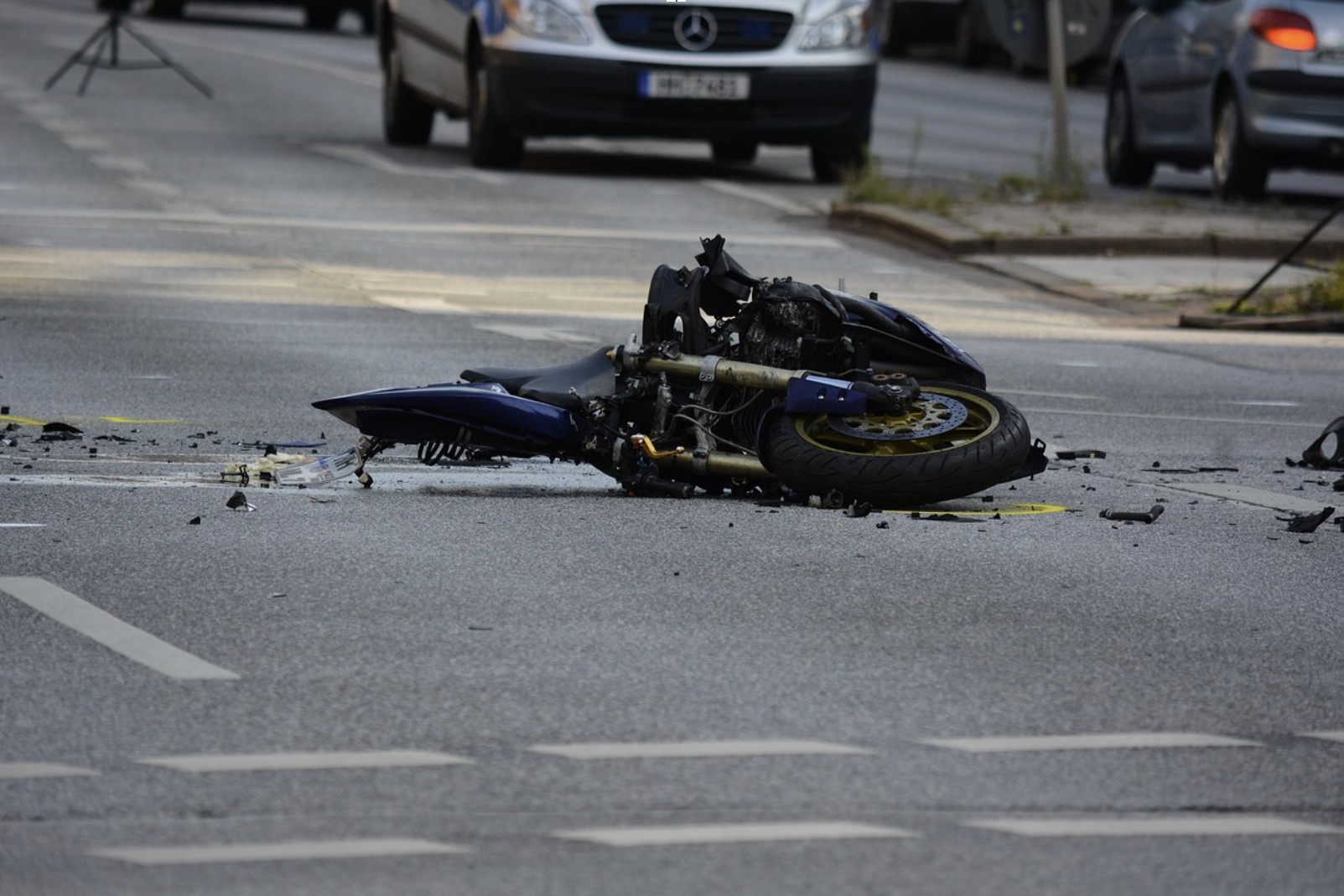
According to the National Highway Traffic Safety Administration’s 2023 data, motorcyclists are 28 times more likely to die in a crash than passenger car occupants — yet the legal challenges they face when surviving serious accidents often receive far less attention than these stark mortality statistics. As insurance companies increasingly deploy sophisticated claim adjustment strategies and courts grapple with the complex medical evidence that motorcycle injuries generate, the gap between what victims need and what the system readily provides continues to widen. The physics of motorcycle crashes create injury patterns that are both severe and difficult to document, while cultural biases about motorcyclists can influence everything from police reports to jury verdicts. For anyone navigating recovery from a serious motorcycle accident, understanding why these cases present unique legal hurdles — and what can be done about them — often determines whether compensation reflects the true cost of their injuries.
How Motorcycle Accident Injuries Occur and Their Severity
The fundamental difference between motorcycle and car accidents lies in what crash investigators call “energy dissipation.” When a 4,000-pound car hits a barrier at 35 mph, the vehicle’s crumple zones, airbags, and seatbelts absorb most of the impact energy. When a 600-pound motorcycle hits the same barrier, nearly all that energy transfers directly into the rider’s body.
This energy transfer creates what medical professionals term “multi-system trauma” — injuries affecting multiple body regions simultaneously. A rider thrown from their bike at highway speeds might suffer a traumatic brain injury from ground impact, spinal compression from the initial collision, and severe road rash from sliding across asphalt. Each injury complicates the others, creating cascading medical challenges that emergency rooms struggle to prioritize and insurance companies find difficult to value.
The severity assessment process itself presents legal complications. Unlike whiplash from a rear-end collision, which follows predictable patterns, motorcycle injuries vary dramatically based on dozens of factors: the rider’s position at impact, whether they separated from the bike, the type of surface they contacted, and even the specific protective gear they wore. A rider who slides under a guardrail faces different injury mechanisms than one who high-sides over their handlebars.
Consider someone struck while making a left turn at an intersection — a scenario that accounts for nearly 40% of motorcycle-versus-car accidents. The initial impact might crush their left leg against the bike, while the secondary impact with the pavement could fracture their skull. Insurance adjusters often struggle to determine which impact caused which injury, creating disputes that can drag on for months while medical bills accumulate. This complexity transforms straightforward fault determination into a technical reconstruction challenge that many legal professionals find daunting.
Common Types of Motorcycle Accident Injuries and Their Symptoms
Motorcycle crashes generate injury patterns rarely seen in other vehicle accidents, creating diagnostic challenges that ripple through both medical treatment and legal proceedings. The combination of high-speed impacts and minimal protection produces trauma that’s both severe and uniquely complex to document.
Head and Spinal Injuries
Traumatic brain injuries represent the most feared consequence of motorcycle accidents, yet they’re also among the most legally challenging to prove. Unlike the obvious physical damage of a broken bone, TBI symptoms can be subtle and delayed. A rider might walk away from a crash feeling fine, only to experience cognitive problems, personality changes, or chronic headaches weeks later.
The legal challenge intensifies because brain injury symptoms often mirror those of post-traumatic stress, depression, or simple fatigue. Defense attorneys routinely argue that claimed cognitive impairment stems from the stress of the accident rather than physical brain damage. Proving otherwise requires expensive neuropsychological testing, advanced imaging, and expert testimony — resources that many victims can’t afford while fighting for basic medical coverage.
Spinal cord injuries present different complications. While severe paralysis is undeniable, partial spinal injuries create gray areas that insurance companies exploit. A rider with incomplete spinal cord damage might retain some movement while losing fine motor control or experiencing chronic pain. These “incomplete” injuries are harder to document objectively, yet they can be permanently disabling.
The timing of spinal injury diagnosis also creates legal vulnerabilities. Adrenaline and shock can mask spinal damage for hours or even days after a crash. Riders who decline ambulance transport or walk around at the scene often find their injury claims questioned later, even when MRI scans clearly show spinal damage.
Soft Tissue and Burn Injuries
While less dramatic than head trauma, soft tissue injuries from motorcycle accidents create their own legal nightmares. Road rash — the grinding away of skin and muscle during asphalt contact — can require multiple surgeries and leave permanent scarring, yet insurance adjusters often treat it as a minor injury comparable to scrapes from a bicycle fall.
The reality is far different. Severe road rash penetrates through multiple skin layers, sometimes exposing bone or requiring skin grafts. The healing process is lengthy, painful, and prone to infection. Many riders face months of wound care, physical therapy, and reconstructive surgery. Yet because the initial emergency room diagnosis might simply read “abrasions,” insurance companies push for quick, low settlements based on that superficial description.
Burn injuries add another layer of complexity. Motorcycle engines, exhaust systems, and fuel tanks can reach temperatures exceeding 300 degrees Fahrenheit. Contact burns from hot motorcycle components are common, but they’re often overshadowed by more dramatic injuries in initial medical assessments. Like road rash, these burns can require extensive treatment while being minimized in legal proceedings.
The challenge with soft tissue injuries lies in their subjective nature. Unlike a fracture visible on X-ray, tissue damage severity depends on factors like wound depth, contamination, and individual healing response. This subjectivity allows insurance companies to commission “independent” medical exams that consistently minimize injury severity — a practice that leaves many victims with settlements that don’t cover their actual medical costs.
Unique Legal Challenges Motorcycle Accident Victims Face
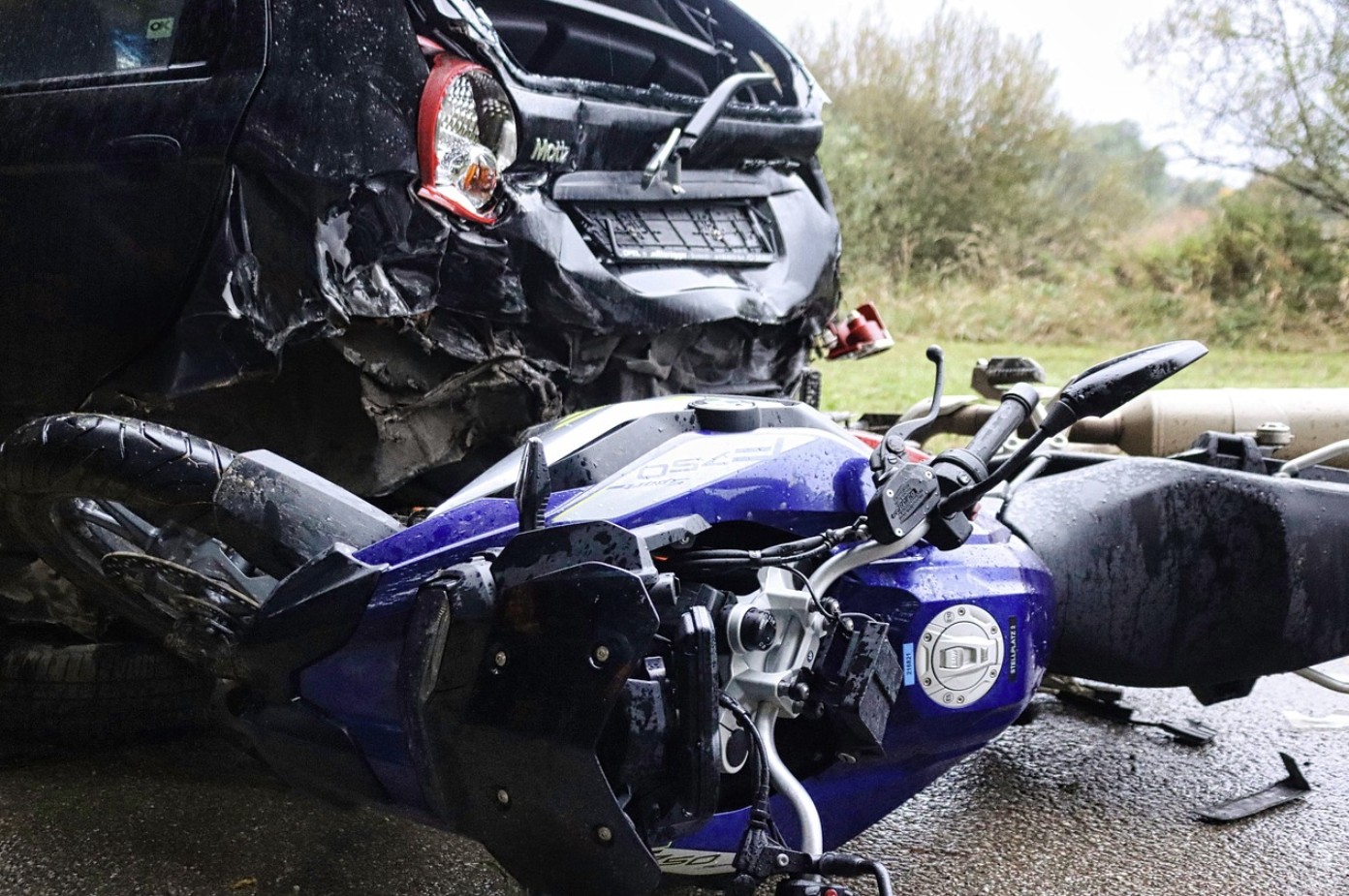
The legal obstacles facing motorcycle accident victims extend far beyond the complexity of their injuries, creating systemic disadvantages that begin the moment police arrive at the crash scene. Bias against motorcyclists pervades every level of the legal system, from the patrol officer writing the initial report to the jurors who will ultimately determine compensation.
This bias manifests immediately in police reports, where officers often assume the motorcyclist was speeding, lane-splitting inappropriately, or otherwise contributing to the accident. Unlike car crashes where fault determination focuses on traffic violations and road conditions, motorcycle accidents trigger assumptions about “dangerous” riding behavior. A recent analysis of police reports in multi-vehicle accidents found that motorcyclists were assigned partial blame in 60% of cases where car drivers violated their right-of-way — a rate that suggests investigative bias rather than accurate fault assessment.
Insurance companies exploit these prejudices aggressively. Their adjusters receive training on motorcycle accident claims that emphasizes questioning the rider’s behavior, protective gear choices, and riding experience. Standard tactics include arguing that proper gear would have prevented injuries (regardless of impact severity), claiming the motorcycle’s loud exhaust contributed to the accident, or suggesting that riders “assume the risk” by choosing motorcycles over safer vehicles.
The evidence preservation challenges in motorcycle cases create additional hurdles. Unlike car accidents where vehicle damage tells a clear story, motorcycle crashes often destroy or scatter crucial evidence. The bike itself may be so damaged that reconstruction becomes impossible, while protective gear — a key component in injury causation analysis — might be lost in the chaos of emergency response. For individuals seeking motorcycle accident legal help, documenting the scene and preserving evidence becomes critical to building a strong case.
Proving injury causation presents perhaps the greatest challenge. Car accident injuries typically follow predictable biomechanical patterns that medical experts can easily explain to juries. Motorcycle injuries result from complex, multi-impact scenarios that require extensive expert testimony to reconstruct. This complexity drives up litigation costs while creating opportunities for defense attorneys to introduce doubt about which specific impact caused which injury.
The financial pressure on victims compounds these challenges. Motorcycle injuries are typically severe enough to prevent immediate return to work, yet insurance companies delay payment by disputing liability, questioning injury severity, or demanding multiple independent medical examinations. Many victims face a choice between accepting inadequate settlements or enduring years of litigation while medical bills accumulate.
The Psychological and Long-Term Impacts of Motorcycle Accident Injuries

The psychological aftermath of motorcycle accidents creates legal complications that extend far beyond physical healing, yet these impacts are among the most difficult to document and the least understood by insurance adjusters and juries. Unlike car accidents where occupants remain protected inside a metal cage, motorcycle crashes involve a complete loss of control and protection that generates profound psychological trauma.
Post-traumatic stress disorder affects motorcycle accident survivors at rates significantly higher than car crash victims, but proving PTSD’s connection to physical injuries requires navigating complex questions of causation. Was the anxiety caused by the traumatic experience of the crash itself, or by ongoing chronic pain from physical injuries? Insurance companies routinely argue that psychological symptoms are separate from compensable physical harm, effectively treating mental health consequences as unrelated complications rather than direct results of the accident.
The fear of riding again — a condition psychologists call “vehicle-specific anxiety” — can end careers for professional riders, delivery drivers, or anyone whose livelihood depends on motorcycle transportation. Yet quantifying the economic impact of this psychological injury proves challenging in legal proceedings. How do you calculate lost future earnings when someone can no longer perform their job due to anxiety rather than physical inability?
Chronic pain syndromes complicate the psychological landscape further. Severe road rash, nerve damage, or spinal injuries often produce ongoing pain that persists long after visible healing. This chronic pain frequently leads to depression, sleep disorders, and social isolation — secondary conditions that insurance companies dismiss as “lifestyle choices” rather than accident consequences.
The timeline of psychological recovery rarely aligns with legal deadlines. While broken bones heal predictably within months, PTSD and chronic pain may not fully manifest until a year or more after the accident. Victims who settle their claims quickly to cover immediate medical expenses often discover they’ve relinquished rights to compensation for psychological treatment they didn’t yet realize they’d need.
Memory and cognitive impacts from head injuries create additional challenges in legal proceedings. Victims with traumatic brain injuries may struggle to provide consistent testimony about the accident, their symptoms, or their recovery progress. Defense attorneys exploit these inconsistencies to question the victim’s credibility, even when the memory problems stem directly from the brain injury they’re seeking compensation for.
Essential Steps and Protections After a Motorcycle Accident Injury
The decisions made in the first hours and days after a motorcycle accident often determine the strength of any future legal claim, yet injured riders are least equipped to make these critical choices when they’re dealing with trauma, pain, and medical emergencies. Understanding these essential steps can mean the difference between fair compensation and years of financial struggle.
Immediate medical evaluation remains paramount, even when injuries seem minor. The adrenaline and shock common in serious accidents can mask symptoms for hours or days. What feels like minor soreness might be a spinal injury; slight confusion could indicate traumatic brain injury. More importantly from a legal perspective, any delay in seeking medical treatment gives insurance companies grounds to argue that injuries weren’t serious or weren’t caused by the accident.
Scene documentation becomes crucial when possible, though this often falls to friends, family, or bystanders since the injured rider may be unconscious or incapacitated. Photographs should capture vehicle positions, road conditions, skid marks, and the motorcycle’s final location. The positions of damaged gear — helmets, clothing, protective equipment — can later help accident reconstruction experts determine impact sequences and injury mechanisms.
Preserving protective gear and clothing, no matter how damaged, provides essential evidence for legal proceedings. Insurance companies frequently argue that proper gear would have prevented injuries, but expert analysis of actual damaged equipment can refute these claims. A helmet that shows specific impact patterns, for instance, can prove that injuries occurred despite proper protection.
The key insight for motorcycle accident victims lies in understanding that their legal challenges begin before they’ve even left the hospital. The combination of severe injuries, complex causation questions, and systemic bias creates a legal landscape unlike any other type of accident case. Success requires not just medical recovery, but strategic protection of legal rights from the moment the crash occurs.