Everything in Texas feels bigger, from its highways stretching across vast landscapes to the steady movement of traffic connecting its growing cities. With that scale comes a unique set of road risks, especially for motorcyclists who face far greater exposure than those in enclosed vehicles. Unlike standard car accident cases, motorcycle injury claims often involve more complex liability issues, where visibility issues, driver awareness, and road conditions play a major role in determining fault. Riders are more vulnerable to severe injuries, which can significantly influence how claims are evaluated and negotiated.
At the same time, bias and assumptions about motorcyclists can sometimes affect how responsibility is assigned, making these cases more challenging to navigate. Understanding these differences is essential when pursuing fair compensation. A motorcycle accident lawyer at The Texas Law Dog can help ensure that every risk and liability factor is carefully examined so injured riders have a strong chance at a fair outcome.
Bias Shapes Early Liability
First impressions often shape fault before a full medical picture exists. During that early stage, families may seek guidance from a motorcycle accident lawyer because witness accounts, officer observations, lane position, lighting, and visible damage can influence liability decisions. These factors often come into play long before treatment plans, wage loss, and future care costs are fully documented. Rider conduct is often judged harder than driver conduct.
Exposure Drives Higher Damages
A motorcycle offers little physical shielding during a collision. Federal safety data reported 6,335 motorcyclist deaths in 2023, with a fatality rate per mile far above that of passenger car occupants. Survivors frequently sustain open fractures, pelvic disruption, spinal cord injury, or diffuse brain damage. Larger medical losses usually bring closer insurer review. Reserve amounts rise early, and negotiations often slow once lifelong impairment becomes part of the file.
Crash Physics Change Fault Analysis
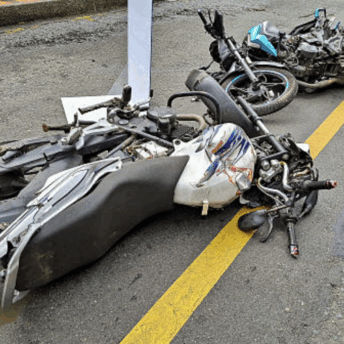
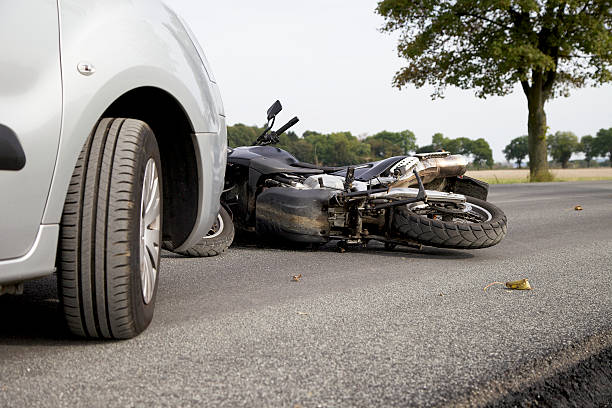
Motorcycle collisions behave differently under reconstruction. A smaller vehicle can disappear into a blind spot, brake suddenly, or slide after contact, creating a pattern that confuses bystanders. Surface grit also changes stopping distance and lean control. Because of that, simple blame theories may overlook key facts. Investigators usually examine sightlines, turn timing, skid patterns, headlamp visibility, and roadway angles with greater care.
Evidence Needs to Move Faster
Important proof can disappear within days. Helmet abrasions, torn clothing, bike gouges, and road rash often reveal the direction of impact better than memory alone. Nearby camera systems may overwrite footage before counsel is retained. Emergency imaging can also link body trauma with crash mechanics. Early preservation helps reduce later claims that a rider caused harm through speed, poor control, or unsafe placement within the lane.
Comparative Fault Carries More Weight
Texas follows a modified comparative fault rule. An injured claimant cannot recover damages if assigned more than 50 percent responsibility. That threshold gives insurers a strong reason to shift blame onto the rider whenever facts allow it. Common allegations include excess speed, poor visibility, unsafe passing, or improper lane movement. Even a modest increase in assigned fault can cut recovery and reshape settlement value.
More Parties Can Share Blame
Liability may reach beyond the driver who struck the motorcycle. An employer can be held liable if a worker causes a wreck while performing assigned duties. A road contractor may matter where loose gravel, missing warnings, or uneven pavement played a part. Product defect claims also arise after brake failure or tire separation. Cases with several defendants often bring separate carriers, cross-claims, and competing medical theories.

Insurance Gaps Raise Risk
Coverage problems often create a second layer of pressure. Some riders carry limits that fall far below probable hospital costs after major trauma. The at-fault motorist may also lack sufficient insurance to cover surgery, rehabilitation, and long-term support. Disputes over exclusions, notice, or underinsured benefits can delay payment. That gap between available coverage and total bodily harm often becomes central during negotiation and filing strategy.
Injury Timelines Affect Value
Recovery after a motorcycle wreck rarely ends with hospital discharge. A tibia fracture may require fixation, months of therapy, gait retraining, and later hardware removal. Brain injury can disrupt concentration, mood regulation, sleep, and steady employment long after imaging appears stable. Pain patterns also change over time. Claims prepared too early may miss future treatment needs, reduced earning capacity, and daily functional loss.
Deadlines Still Matter
Even severe cases remain tied to filing deadlines. Texas law generally allows two years for personal injury suits and two years from death for wrongful death actions. Treatment does not stop that clock, and liability disputes do not extend it. Delay also weakens the proof as witnesses move, motorcycles are repaired, and electronic records are scattered. Early legal review helps preserve evidence while damages are still taking shape.
Conclusion
Motorcycle injury claims differ because medical severity and liability pressure rise together. Greater bodily exposure increases economic loss, while rider bias, comparative fault arguments, and insurance limits strengthen insurer resistance. Strong case development usually starts with prompt evidence preservation and a careful reading of crash mechanics. Clear medical documentation matters just as much. In these files, precise facts often decide whether a serious injury receives full legal value.