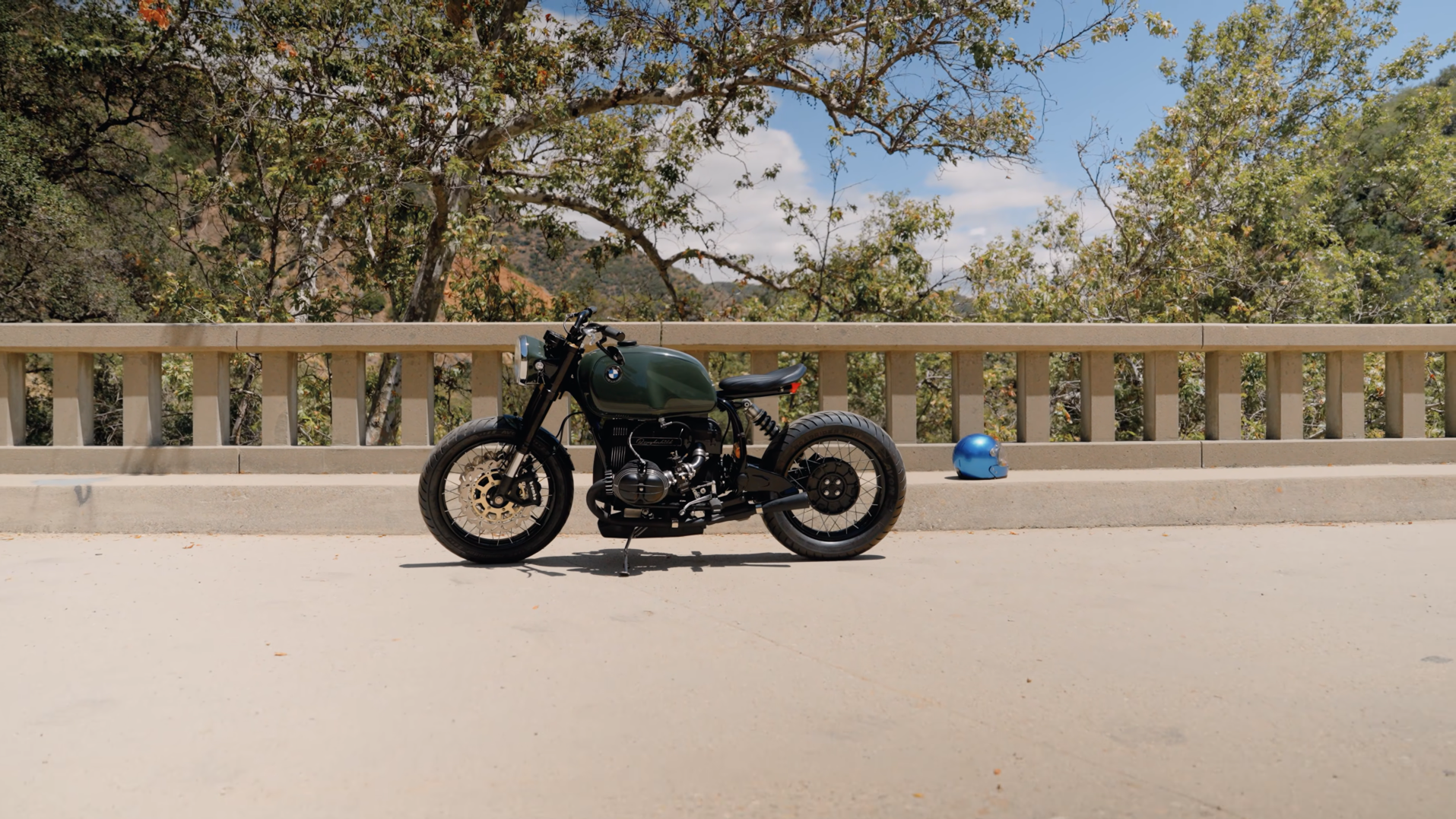
Robert of Roughchild recently revisited one of the workshop’s earliest custom BMW R100 projects, undertaking a comprehensive modernization of a motorcycle originally completed six years ago. Rather than creating an entirely new machine, the goal was to preserve the character of the original build while incorporating lessons learned through years of development, testing, and refinement. The result is a carefully evolved air-cooled boxer that blends vintage aesthetics with contemporary engineering solutions.
The restoration began with a complete teardown to the bare frame. Although many of the original components were retained, each part was evaluated to determine whether it still met modern performance standards. One notable decision was to keep the custom front-end assembly featuring 2017 Suzuki GSX-R forks. Despite their age, the suspension setup remained ideally suited to the bike’s weight and geometry, eliminating the need for newer alternatives that would have introduced excessive stiffness. The front wheel system, a complex combination of BMW and Suzuki components, retained its bespoke axle and brake mounting hardware, reflecting the extensive engineering originally required to merge the two platforms.
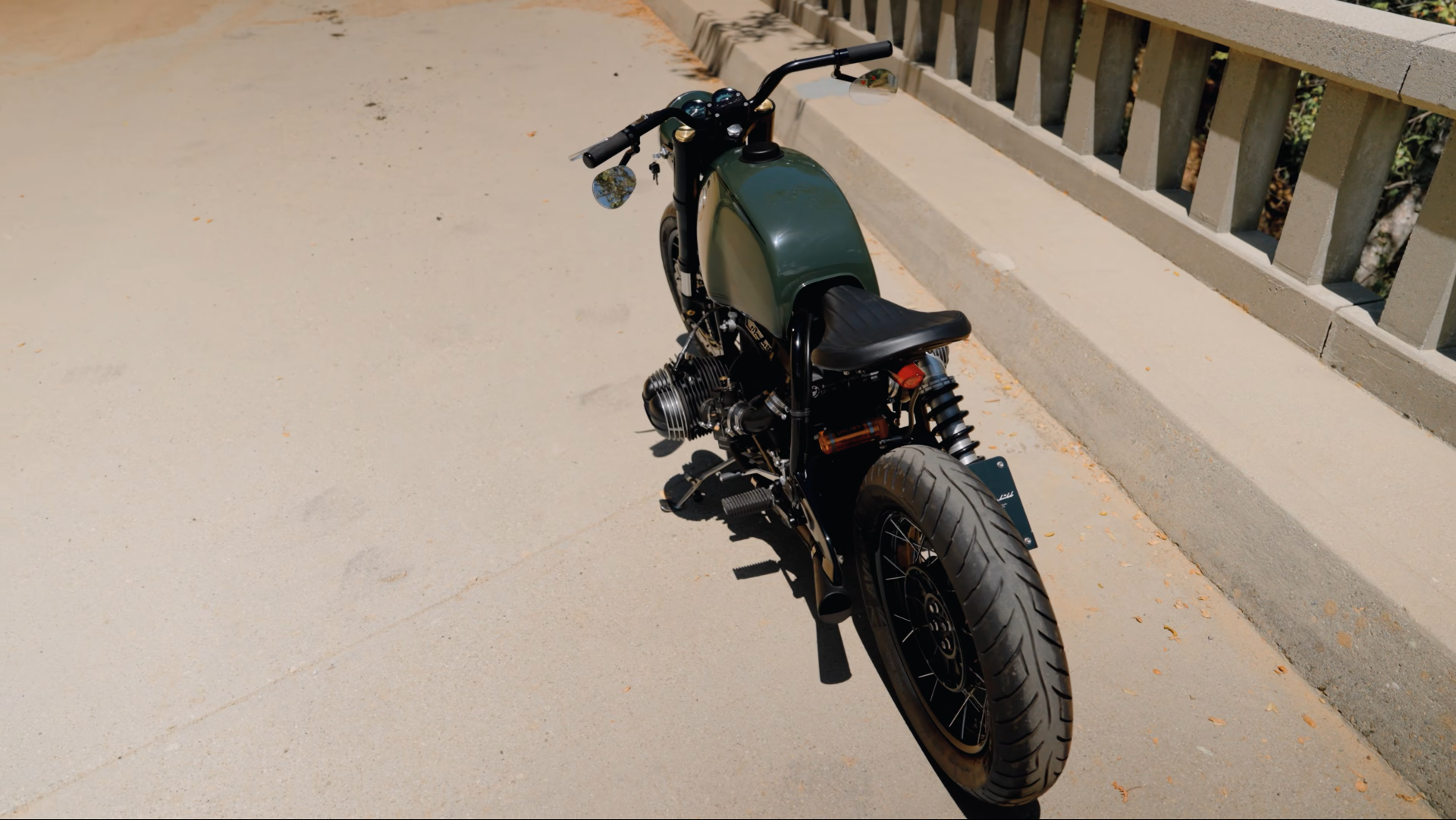
Wheel and chassis improvements played a significant role in the refresh. The custom tubeless wheel setup was restored, while hand-fabricated aluminum fenders and mounting brackets were refinished rather than replaced. Updated Avon Roadrider Mk II tires were fitted front and rear to improve grip and ride quality. Meanwhile, the frame underwent modifications before receiving a painted finish, replacing the powder-coated treatment used during the original build and providing a more premium appearance.
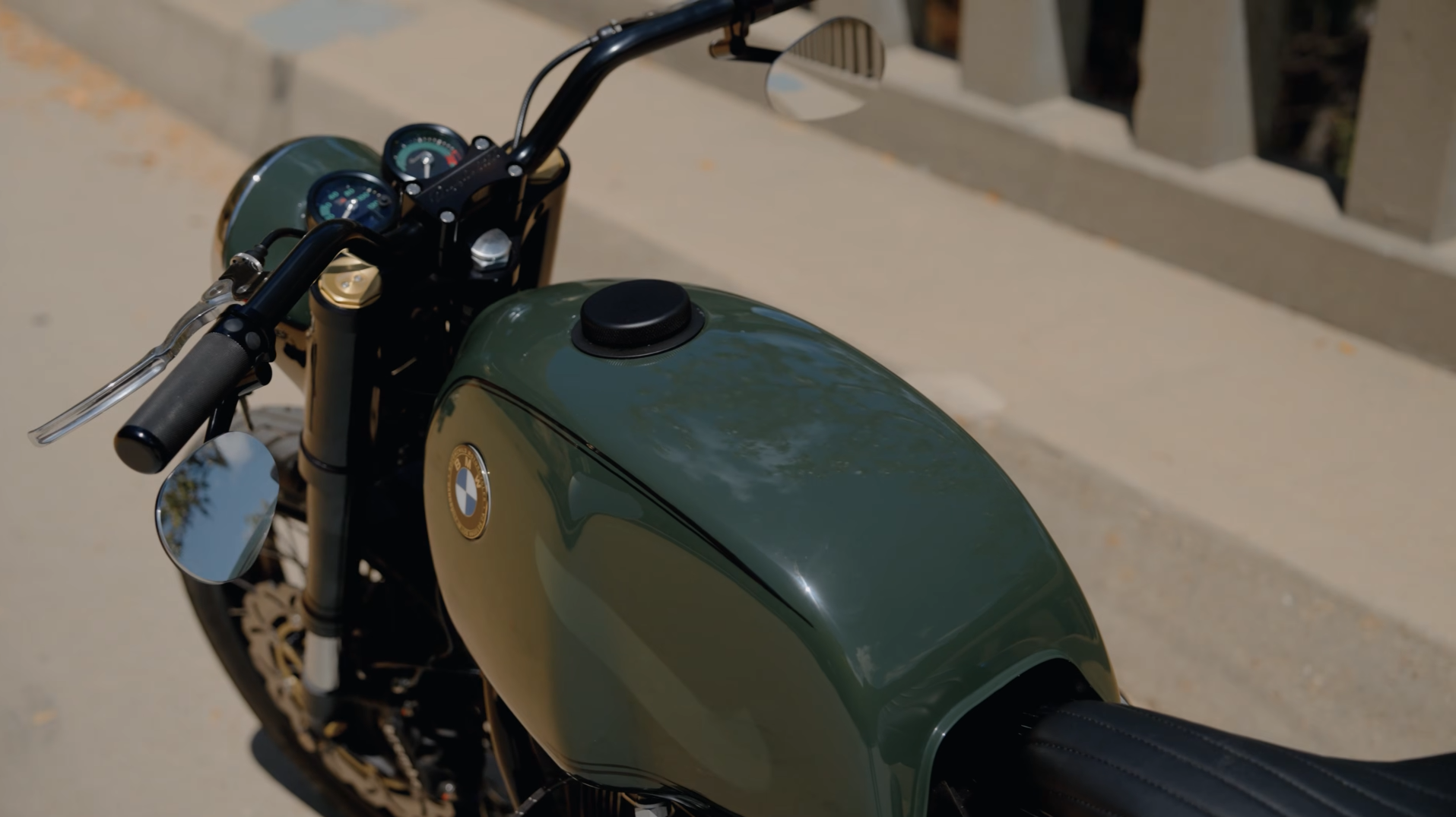
A major focus of the upgrade centered on electronics. The motorcycle now incorporates a Motogadget M-Unit control system, serving as a modern solid-state electrical management hub. Wiring remains discreetly hidden throughout the handlebars and frame, preserving the bike’s minimalist appearance while dramatically improving reliability. Custom-designed analog-style instrumentation combines electronic tachometer functionality with GPS-based speed measurement, delivering modern accuracy while maintaining a classic visual identity inspired by vintage BMW and Porsche designs.
The engine itself remained mechanically faithful to its original configuration. The rebuilt 1,000cc boxer twin retains its single-spark architecture and flat-top pistons, but benefits from a refreshed ignition system and upgraded timing components. Significant attention was instead directed toward intake performance. The previous Mikuni carburetors were replaced by SmartCarb SC3 units, chosen for their ability to provide smoother throttle response and more consistent fuel delivery across the rev range. A restored factory airbox was also reintroduced, reflecting a shift toward optimizing real-world rideability rather than pursuing purely visual customization.
Additional refinements included an upgraded Antigravity lithium battery, revised suspension spring rates tailored to rider comfort, extensive polishing and restoration of mechanical hardware, and a larger four-liter oil sump designed to improve thermal management without relying on an external oil cooler. Cosmetic updates extended to the fuel tank, which received a Porsche Dark Olive finish accented by traditional pinstriping, along with revised seat upholstery and updated engine covers.
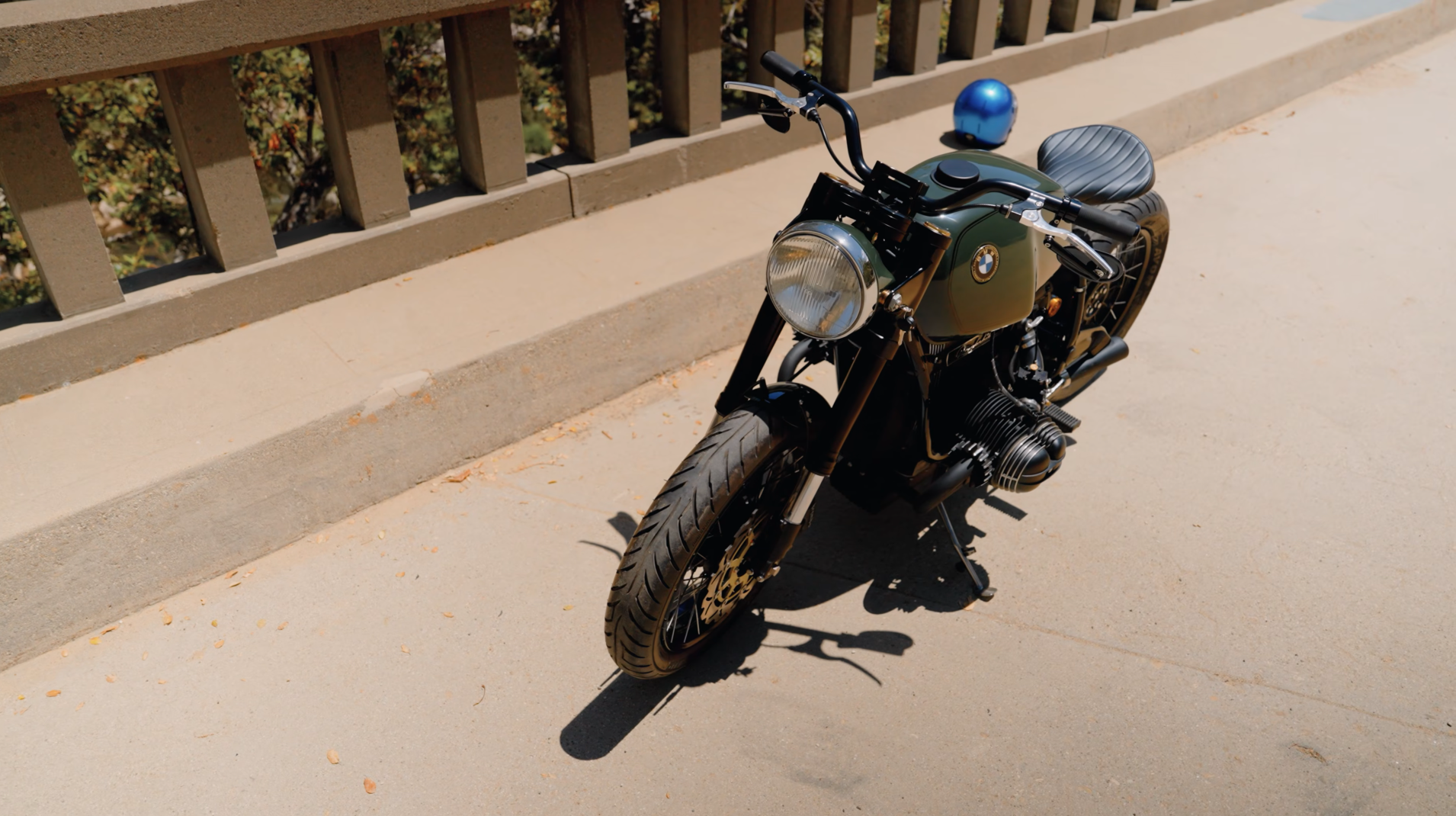
Collectively, the project represents far more than a restoration. It showcases how continuous research, experience, and technological advancement can transform an already successful custom motorcycle into a more refined, reliable, and enjoyable machine while remaining true to its original design philosophy.
Source: Roughchild