Regular Car Reviews examines the origins and cultural significance of the café racer, tracing its journey from post-war Britain to its resurgence in modern American motorcycle culture. Using a customized 1991 Honda CB750 Nighthawk as the centerpiece, the review explores how a practical, reliable motorcycle can be transformed into a machine that prioritizes style, engagement, and individuality.
Origins of the British Café Racer Movement
The roots of café racer culture can be traced back to Britain in the years following World War II. Many returning servicemen found civilian life lacking the excitement and adrenaline they had experienced during wartime. Seeking a new outlet for speed, risk, and camaraderie, young riders gravitated toward motorcycles.
British roads of the era were narrow, winding, and often poorly developed, creating an environment where agility and handling mattered more than outright cruising comfort. Riders began stripping unnecessary weight from motorcycles, modifying frames, and optimizing performance to create lightweight machines capable of rapid acceleration and spirited cornering. These motorcycles became known as café racers, named after the café culture where riders gathered and challenged each other to informal speed runs between destinations.
Britain vs. America: Two Distinct Motorcycle Cultures
The review highlights the contrast between British and American motorcycle development. In the United States, the expanding interstate highway system encouraged the rise of large-displacement cruisers and choppers designed for long-distance travel and straight-line stability. British motorcycles evolved under entirely different conditions, where tight roads demanded responsive handling and nimble performance.
As a result, the café racer emerged as Britain’s answer to performance motorcycling and ultimately laid the foundation for the modern sport bike. American enthusiasts would later embrace the style, but often through a different lens—combining British aesthetics with Japanese engineering.
The Honda CB750 Revolution
A major turning point arrived in 1969 with the introduction of the Honda CB750. Often regarded as one of the most influential motorcycles ever produced, the CB750 brought advanced engineering, affordability, and reliability to a broad audience. Its inline-four engine delivered smooth power, impressive top-end performance, and significant tuning potential, while remaining approachable for everyday riders.
The platform’s versatility made it particularly attractive to custom builders. Over successive generations, Honda refined the CB750, transitioning from early single-overhead-cam designs to dual-overhead-cam configurations and continuously improving performance. Although production eventually ended in North America in 2003, the motorcycle’s reputation ensured its lasting influence.
The American Café Racer Revival
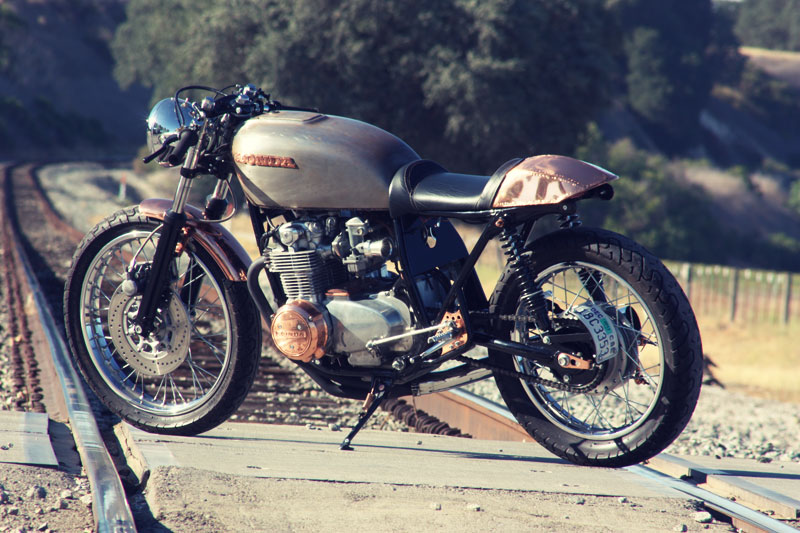
During the late 2000s, café racers experienced a resurgence in the United States. As custom chopper culture declined, a new generation of builders and enthusiasts embraced minimalist motorcycles inspired by classic British machines. These projects frequently relied on Japanese donor bikes, particularly older Honda models, which offered proven reliability and abundant aftermarket support.
The result was a uniquely American interpretation of the café racer: a blend of British styling cues and Japanese mechanical dependability.
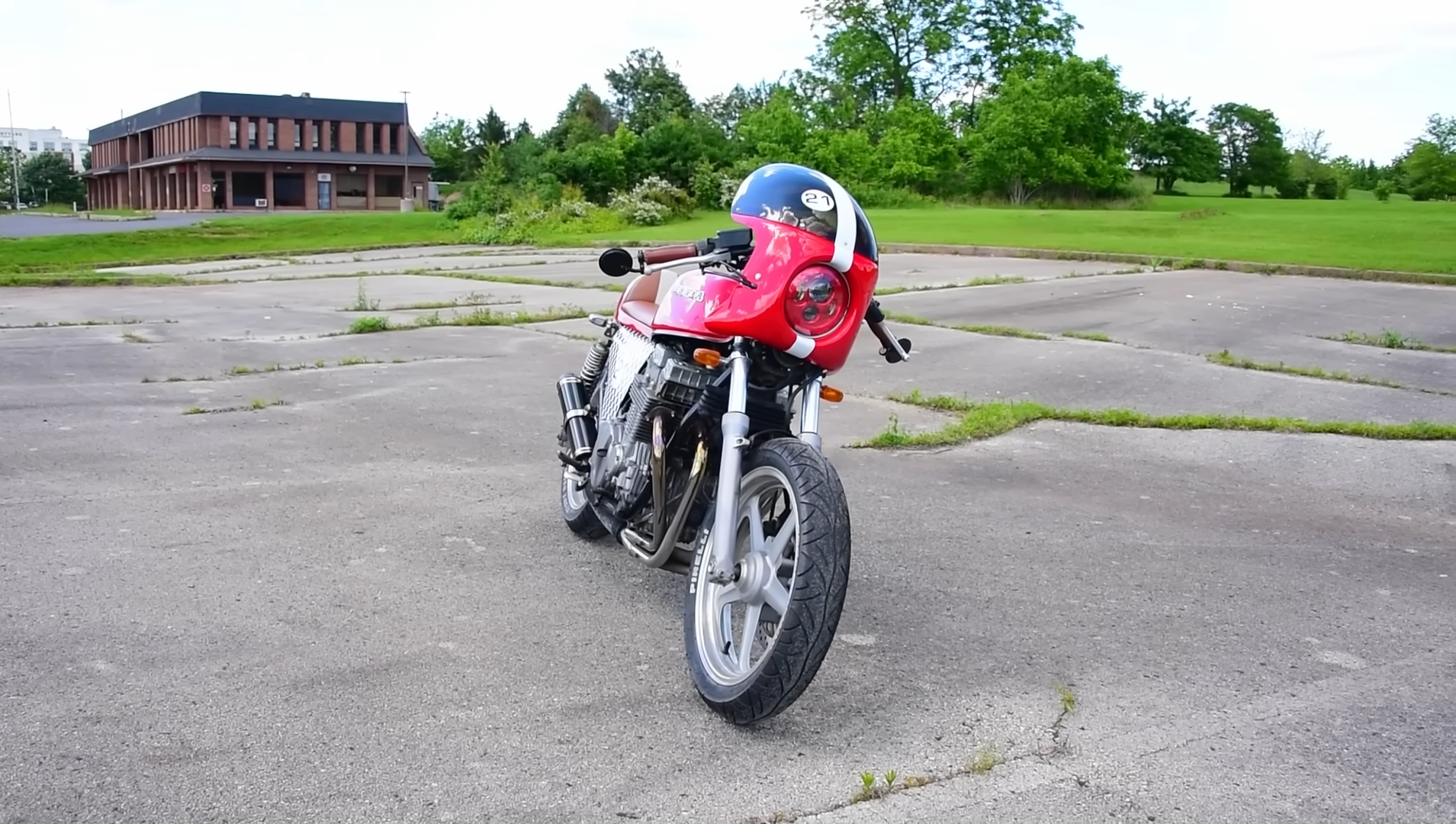
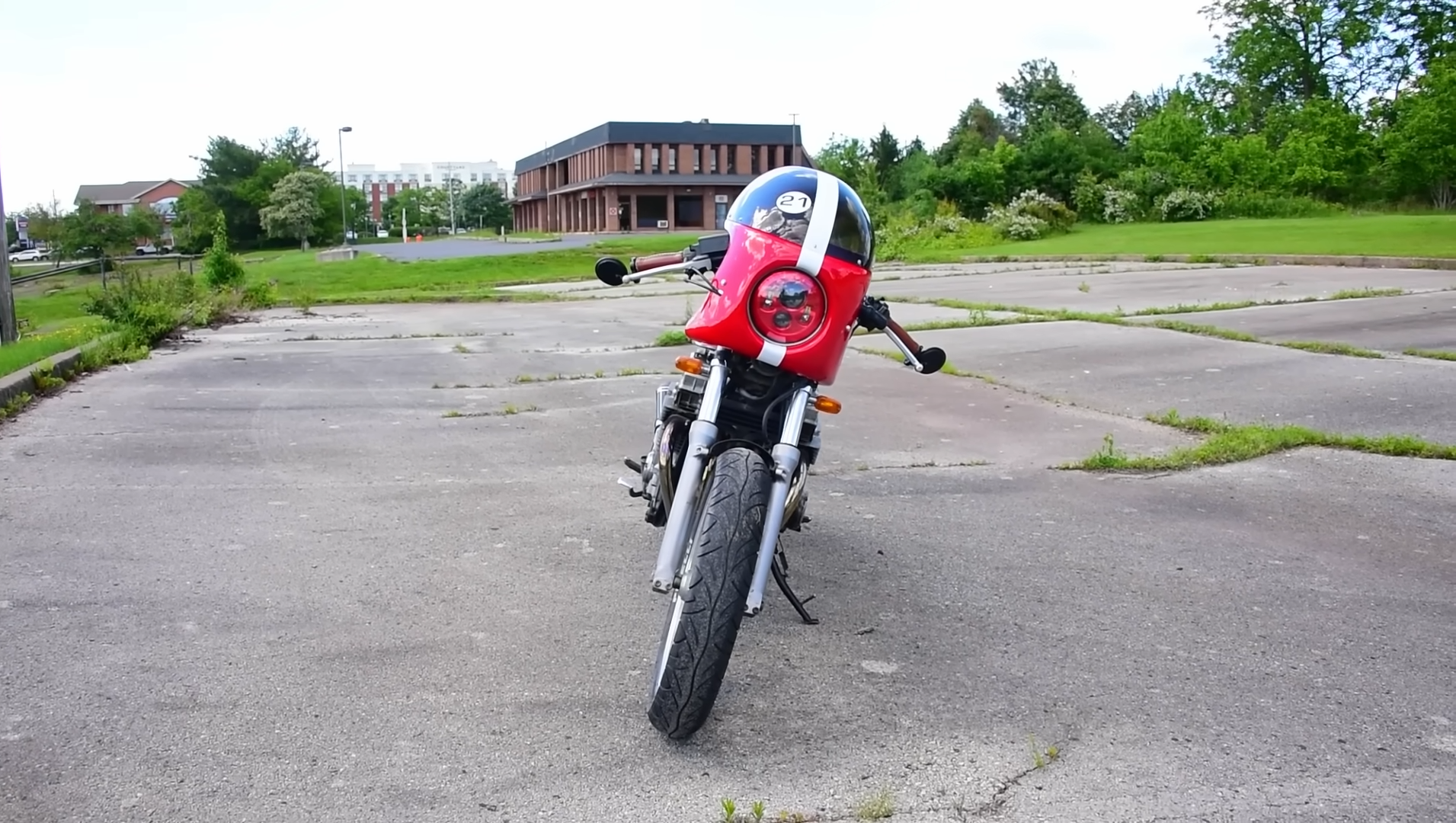
Customized 1991 Honda CB750 Nighthawk
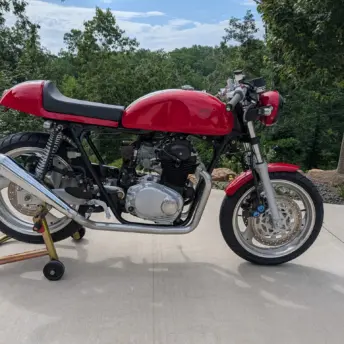
The featured 1991 Honda CB750 Nighthawk demonstrates many of the defining characteristics of modern café racer conversions. Modifications include a front fairing and windscreen, LED lighting, lowered handlebars, a café-style seat with an integrated rear cowl, passenger-seat removal, and the elimination of unnecessary bodywork.
These changes significantly alter the motorcycle’s dynamics. Reducing weight sharpens handling, while the revised seating position creates a more aggressive riding posture. The rear seat cowl serves a functional purpose as well, helping stabilize the rider during hard acceleration by preventing rearward movement.
The review also notes the importance of proper carburetor maintenance and suspension setup, both of which play a crucial role in maximizing the performance of older air-cooled motorcycles.
Character Through Imperfection
One of the central themes of the review is the idea that the CB750’s greatest strength—its refinement—can also limit its emotional appeal. Honda engineered the Nighthawk to be dependable, smooth, and easy to ride. By transforming it into a café racer, builders intentionally introduce a more visceral and engaging experience.
The motorcycle retains its robust air-cooled inline-four engine and renowned reliability, but the surrounding modifications inject personality, style, and a sense of occasion into every ride. The result is a machine that functions not merely as transportation, but as a rolling expression of motorcycle culture and individual identity.
Conclusion
The customized Honda CB750 Nighthawk serves as an ideal lens through which to examine the broader story of café racers. From their origins among post-war British riders seeking excitement to their modern revival among American enthusiasts, café racers represent more than a motorcycle style. They embody a philosophy centered on simplicity, performance, and personal expression. The CB750 platform, with its legendary durability and adaptability, remains one of the most compelling foundations for carrying that tradition into the modern era.
Source: Regular Car Reviews