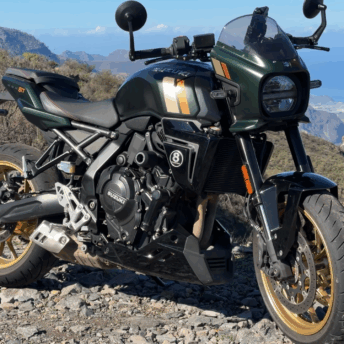
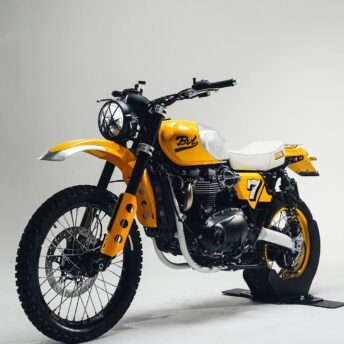
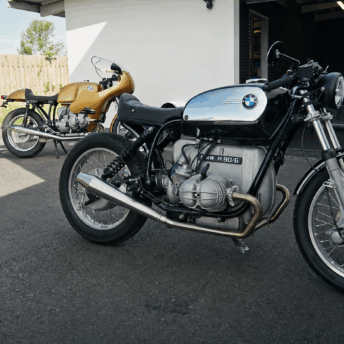
The retro motorcycle segment has become one of the most competitive categories in modern motorcycling. Machines like the Triumph Speed Twin 1200, Yamaha XSR900, and BMW R 12 nineT continue evolving with sharper electronics, refined engines, and increasingly premium hardware.
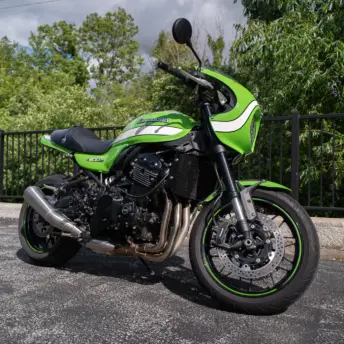
For years, the Kawasaki Z900RS stood almost untouched. Since its 2018 debut, Kawasaki largely resisted major updates to its neo-retro platform. But for 2026, the company finally delivered meaningful technical refinements — and according to NothingToProve latest road test, the changes dramatically improve the bike’s responsiveness, rideability, and overall character.
The result is not a revolution. It is a carefully calculated evolution of one of the best-looking retro motorcycles on the market.
A Lighter-Spinning Engine Changes Everything
At the heart of the updated Z900RS remains Kawasaki’s beloved 948cc inline-four, but the riding experience now feels noticeably more alive.
One of the biggest mechanical revisions is a crankshaft said to be roughly 10 percent lighter. Combined with revised throttle bodies, updated electronics, and refined fueling, the engine spins up far quicker than previous versions.
That sharper responsiveness transforms the bike’s personality. Earlier Z900RS models were often criticized for abrupt on-off throttle transitions, especially at low speed. Kawasaki appears to have directly addressed those complaints with smoother ride-by-wire calibration and revised intake mapping.
The payoff is immediate. Throttle response now feels cleaner, more progressive, and significantly more refined during city riding and corner exits.
Power delivery remains broad and muscular, with especially strong low-end and midrange torque. The engine reportedly pulls hard from around 3,500 rpm all the way to 6,000 rpm, creating the kind of effortless surge riders expect from a large-capacity inline-four.

Revised Transmission Delivers a Sportier Feel
The transmission also receives meaningful attention for 2026. According to the review, gear ratios are now slightly closer together, helping the engine stay in its sweet spot more consistently. The revised setup makes clutchless shifting exceptionally smooth both up and down the gearbox.
That tighter gearing contributes heavily to the bike’s newfound urgency. Instead of feeling relaxed and lazy, the Z900RS now feels eager without becoming aggressive. That balance is important because the Z900RS is not trying to be a supersport machine. Kawasaki still positions it as a retro roadster with modern usability rather than an outright performance naked bike.
Yet these drivetrain updates make the motorcycle feel substantially more engaging than before.
Six-Axis IMU Brings Modern Electronic Safety
One of the most important upgrades for 2026 is the addition of a six-axis IMU (Inertial Measurement Unit). This allows the Z900RS to finally join modern rivals with advanced rider-assistance technology, including lean-sensitive traction control and cornering ABS functionality.
In today’s premium retro category, these features are increasingly expected rather than optional. Kawasaki had begun falling behind competitors in this area, making the IMU addition arguably necessary for the platform’s survival.
The electronics package slightly increases weight — the bike gains roughly one kilogram over the previous version — but the added capability far outweighs the penalty. For riders, the benefit is confidence. The system can better manage traction and braking forces while leaned over, improving stability and safety during aggressive riding or poor road conditions.
Chassis Tweaks Improve Everyday Rideability
Kawasaki did not completely redesign the chassis, but several subtle revisions improve real-world usability. The wheelbase is now slightly shorter, helping the motorcycle feel more agile in tight environments. Steering lock has also increased by a few degrees, making garage maneuvering and low-speed U-turns noticeably easier.
Despite weighing around 216 kg fully fueled, the reviewer described the bike as surprisingly flickable in urban riding situations. Suspension hardware remains largely unchanged, featuring fully adjustable front forks and dual rear shocks. Yet the chassis continues to impress thanks to excellent balance and predictable cornering manners.
Even on rough roads filled with small imperfections, the bike reportedly maintained composure while holding lines confidently through corners.Braking performance also receives praise. Standard models use Kawasaki-branded calipers, likely sourced from Tokico, while the higher-spec SE model upgrades to Brembo M4.32 calipers with braided steel lines and Öhlins rear suspension.
For riders wanting a more premium setup, the SE package may justify its higher price.

Acoustic Refinements Enhance the Experience
One area Kawasaki clearly focused on was sound.The updated induction system and revised exhaust create a more pronounced intake growl under acceleration. The reviewer repeatedly highlighted how addictive the new acoustic character feels from the saddle.
Kawasaki also redesigned the dual-walled exhaust system and integrated a revised two-stage catalytic converter setup. The exhaust itself is reportedly around 70 mm longer than before. These changes preserve the bike’s retro styling while subtly modernizing its emissions and sound profile.

Importantly, the Z900RS still retains its signature visual identity — one of the biggest reasons riders gravitate toward it in the first place.
Retro Styling Still Defines the Z900RS
Visually, Kawasaki wisely avoided dramatic changes. The Z900RS still channels classic 1970s Kawasaki styling with its teardrop fuel tank, ducktail tail section, twin analog gauges, and timeless paint schemes.
The analog-style instrument cluster remains one of the bike’s standout features. Riders get a classic tachometer and speedometer layout paired with a compact digital information display that includes gear position and ride data.
Unlike many modern TFT-heavy motorcycles, the Z900RS continues prioritizing simplicity and readability. Comfort also remains a major strength. Compared with the more aggressive Kawasaki Z900, the RS offers a more upright riding position, greater legroom, and improved long-distance ergonomics.
That relaxed seating position helps broaden the bike’s appeal beyond weekend canyon riders.

Final Verdict: The Z900RS Finally Feels Complete
The 2026 Kawasaki Z900RS proves that thoughtful refinement can be more valuable than total reinvention. Kawasaki addressed nearly every meaningful criticism riders had about the original platform. The abrupt throttle response is gone. The engine feels more eager. The gearbox is smoother and sportier. The electronics are finally modern.
Most importantly, none of those updates dilute the bike’s retro personality. The Z900RS still delivers the analog charm, timeless styling, and soulful inline-four character that made riders fall in love with it back in 2018. It simply does everything better now.
For riders seeking outright superbike-level performance, there are faster options elsewhere. But for those wanting classic 1970s aesthetics combined with modern comfort, improved safety, and genuinely engaging road manners, the updated Z900RS may now be one of the most complete retro motorcycles in its class.
And judging by NothingToProve’s enthusiastic reaction, Kawasaki finally transformed a great retro bike into a truly polished one.
Source: NothingToProve