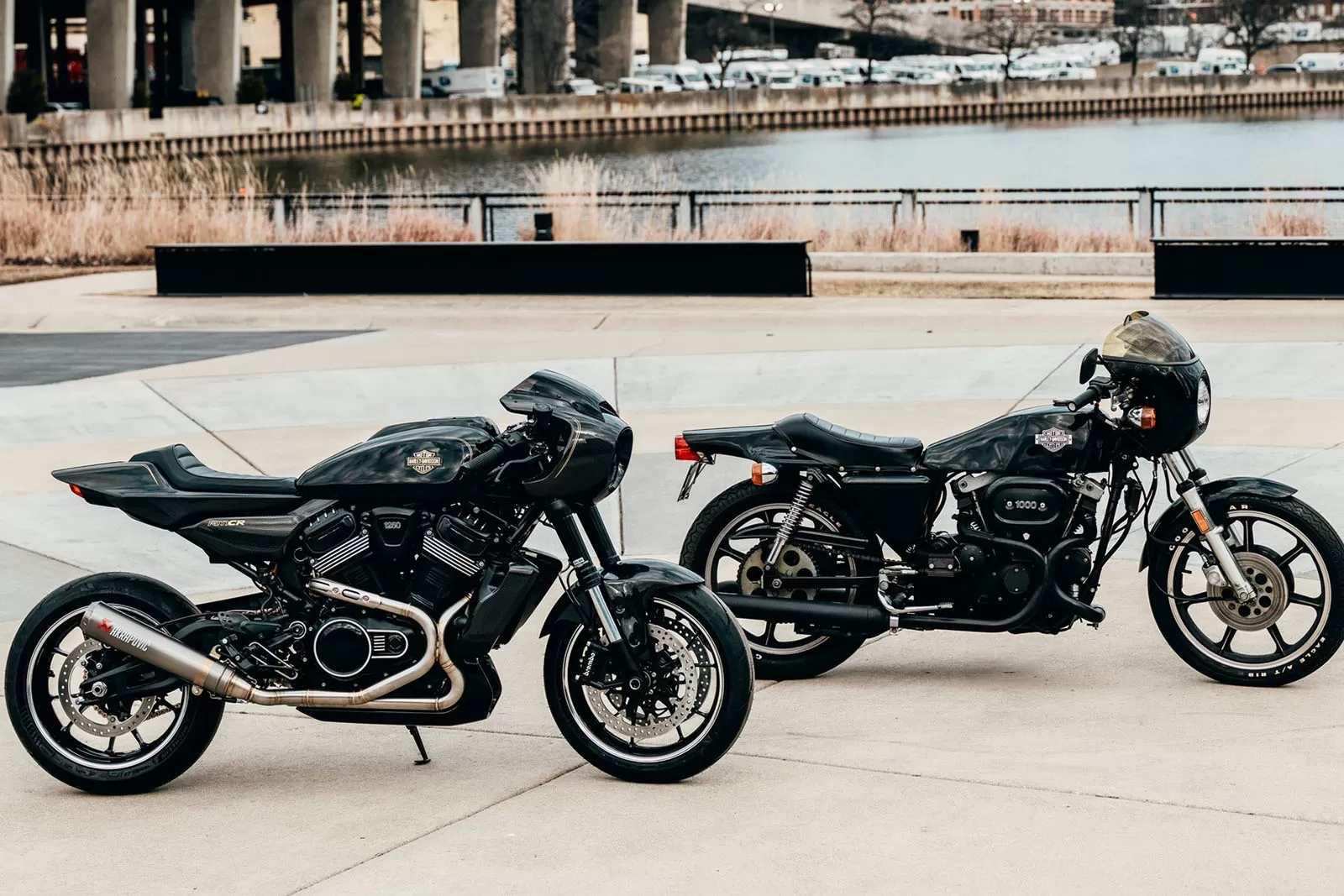
The unveiling of the Harley-Davidson RMCR (Revolution Max Café Racer) at the 2026 Mama Tried Motorcycle Show in Milwaukee marks a pivotal moment for “The Motor Company.” It isn’t just a bike; it is a strategic maneuver designed to reclaim a segment Harley once famously lost.
The Technical Profile: Heritage Meets High Performance
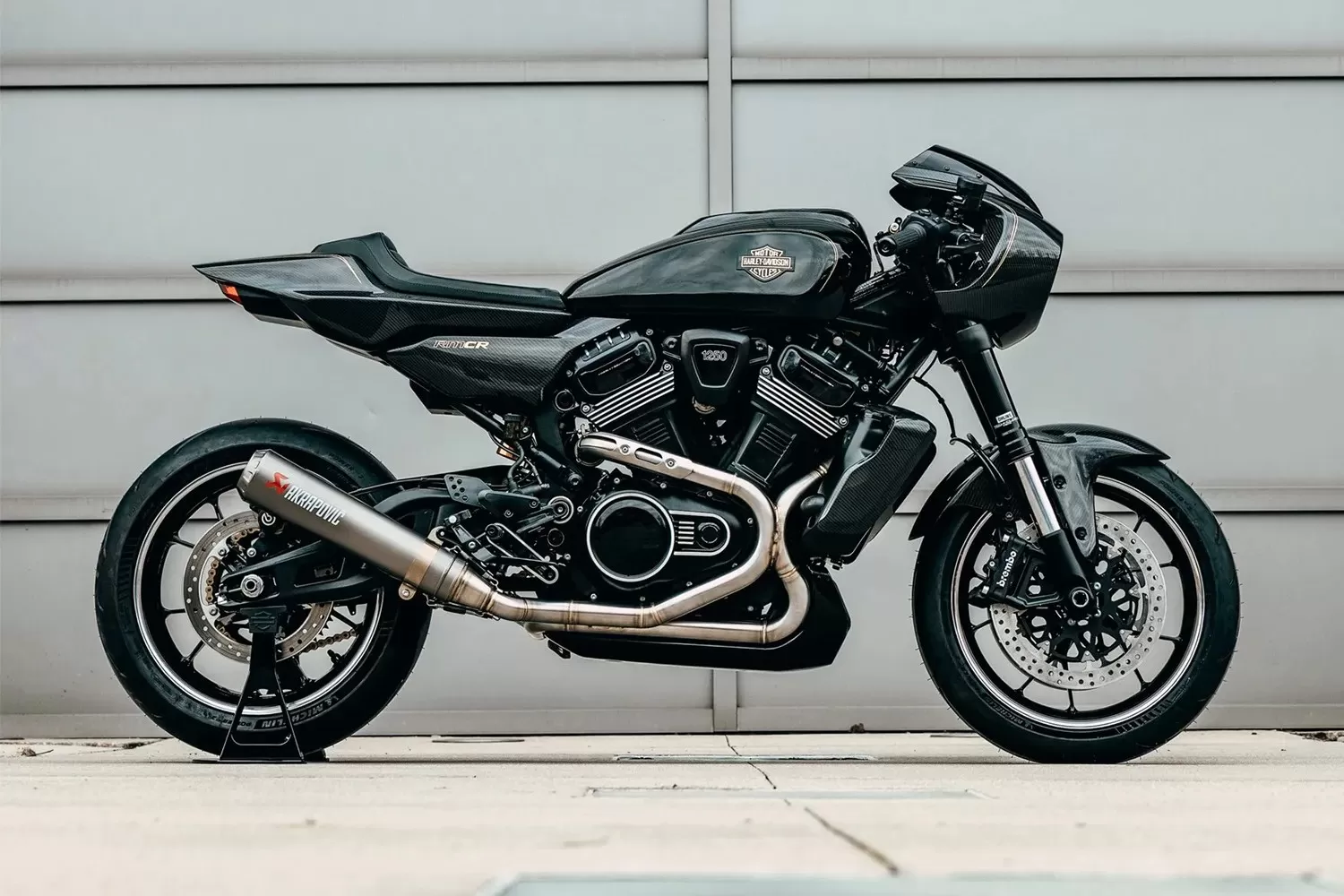
The RMCR is built on the liquid-cooled Revolution Max 1250 platform. This engine, which also powers the Pan America 1250, serves as a stressed member of the chassis, significantly reducing weight and increasing rigidity compared to traditional Sportster frames.
| Feature | Specification | Impact |
| Engine | 1250cc RevMax V-Twin | 150 hp / 94 lb-ft torque; nearly triple the 1977 XLCR. |
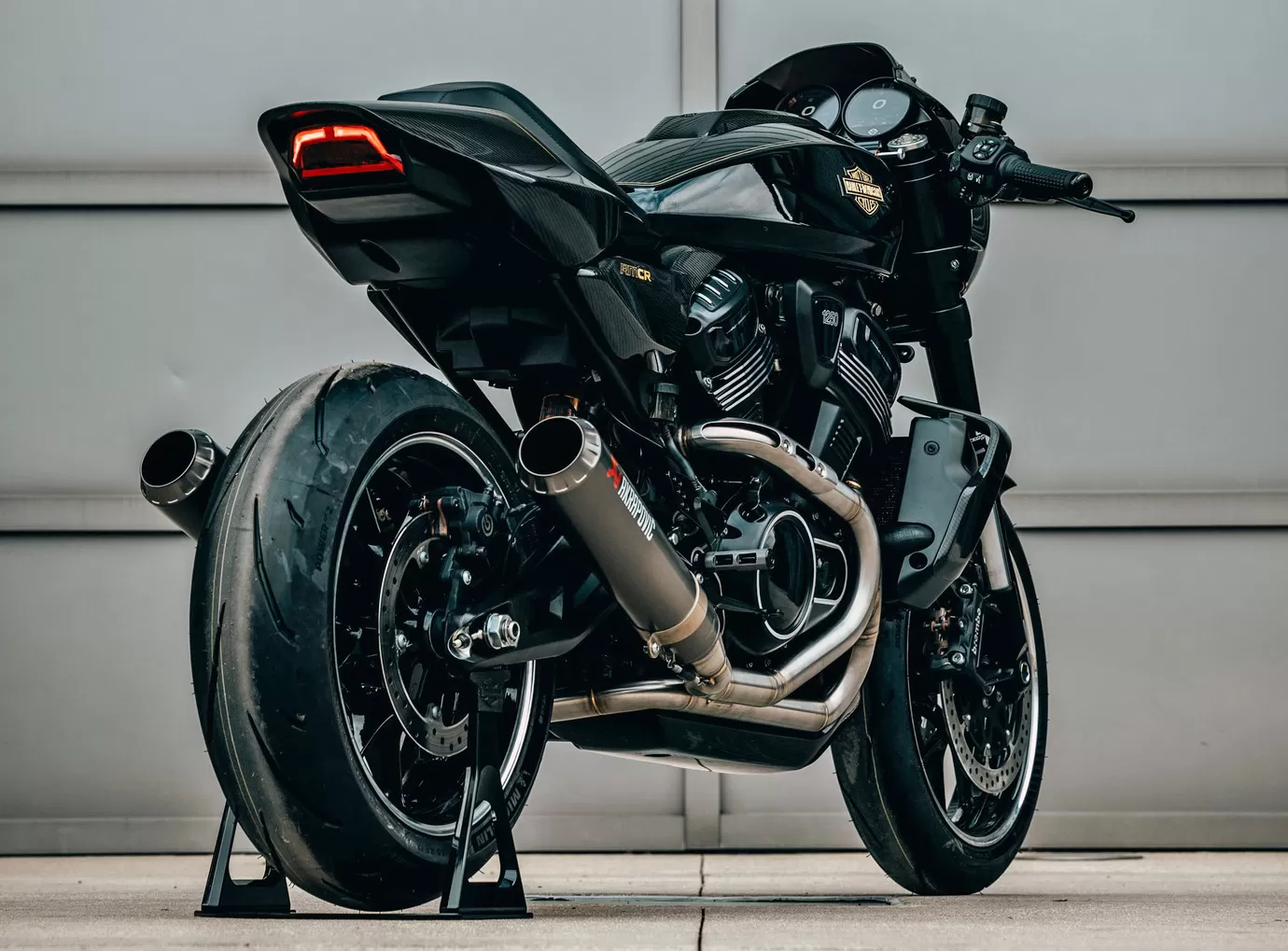
| Bodywork | Full Carbon Fiber | Massive weight reduction; targets a sub-220kg wet weight. |
| Suspension | Öhlins Black Series | Inverted forks and rear monoshock provide track-ready agility. |
| Tires | Michelin Power GP2 | Genuine supersport rubber, signaling high-lean aspirations. |
| Exhaust | Custom Akrapovič | Titanium/carbon 2-into-2 system mimicking the original “siamesed” look. |
Strategic Context: The “RIDE” Initiative
The RMCR debuted shortly before the April 2026 launch of RIDE, Harley-Davidson’s new global brand platform. This platform marks a shift away from the “lifestyle-only” marketing of the early 2020s toward a focus on the act of riding and performance-driven innovation.
-
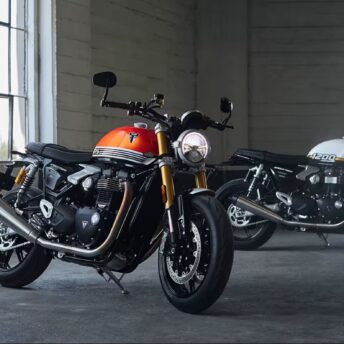
Target Demographics: The RMCR aims at “Modern Classic” riders who typically buy Triumph Thruxtons or BMW R nineTs.
-
The “One-of-One” Gambit: While officially a concept, the RMCR features production-ready components like round TFT displays and Euro 5+ compliant Akrapovič mounting points, suggesting a limited production run for 2027 is highly likely.
Why This Matters
For a decade, Harley has struggled with the “relic” stigma. The RMCR solves two problems simultaneously:
-
Redemption: It rights the wrongs of the 1977 XLCR, which was visually stunning but underpowered.
-
Versatility: It proves the Revolution Max engine isn’t just for adventure bikes or “muscle” cruisers; it can power a legitimate sport-café chassis.
-
Industry Take: Under Artie Starrs, Harley-Davidson is moving from “preserving the legend” to “building the legend.” The RMCR is the first physical evidence of a brand that is finally willing to prioritize power-to-weight ratios over chrome and fringe.

Harley-Davidson RMCR Cafe Racer Concept – First Look
This video dives into the creative spark behind the RMCR concept bike, a machine that honors the legacy of the 1977 XLCR. By pairing iconic styling with the contemporary Revolution Max 1250 engine, the build achieves a perfect balance of vintage soul and modern-day velocity.