
Every rider knows that the open road comes with risks. But for cafe racer enthusiasts and motorcyclists across Texas, one of the most dangerous threats isn’t a pothole or a slick patch of road—it’s the left-turning driver who doesn’t see you coming. And with rideshare vehicles now flooding Texas roads, this already deadly scenario has become even more prevalent.
In 2024 alone, 581 motorcyclists lost their lives on Texas roads, with intersection-related fatal crashes increasing by 21% from the previous year. According to the Texas Department of Transportation, 40 percent of motorcycle fatalities in the state happen at or near roadway intersections, and the most common culprit is a vehicle making a left turn directly into the path of an oncoming rider. When you add rideshare drivers into the mix—who may be distracted by GPS navigation, passenger interactions, or app notifications—the risk multiplies.
Understanding the Left-Turn Threat
Left turns are inherently dangerous maneuvers for any driver, but they’re particularly lethal when motorcycles are involved. National Highway Traffic Safety Administration data shows that 43 percent of fatal two-vehicle crashes involving motorcycles nationwide occur when another vehicle turns left while the motorcycle is going straight, passing, or overtaking other vehicles.
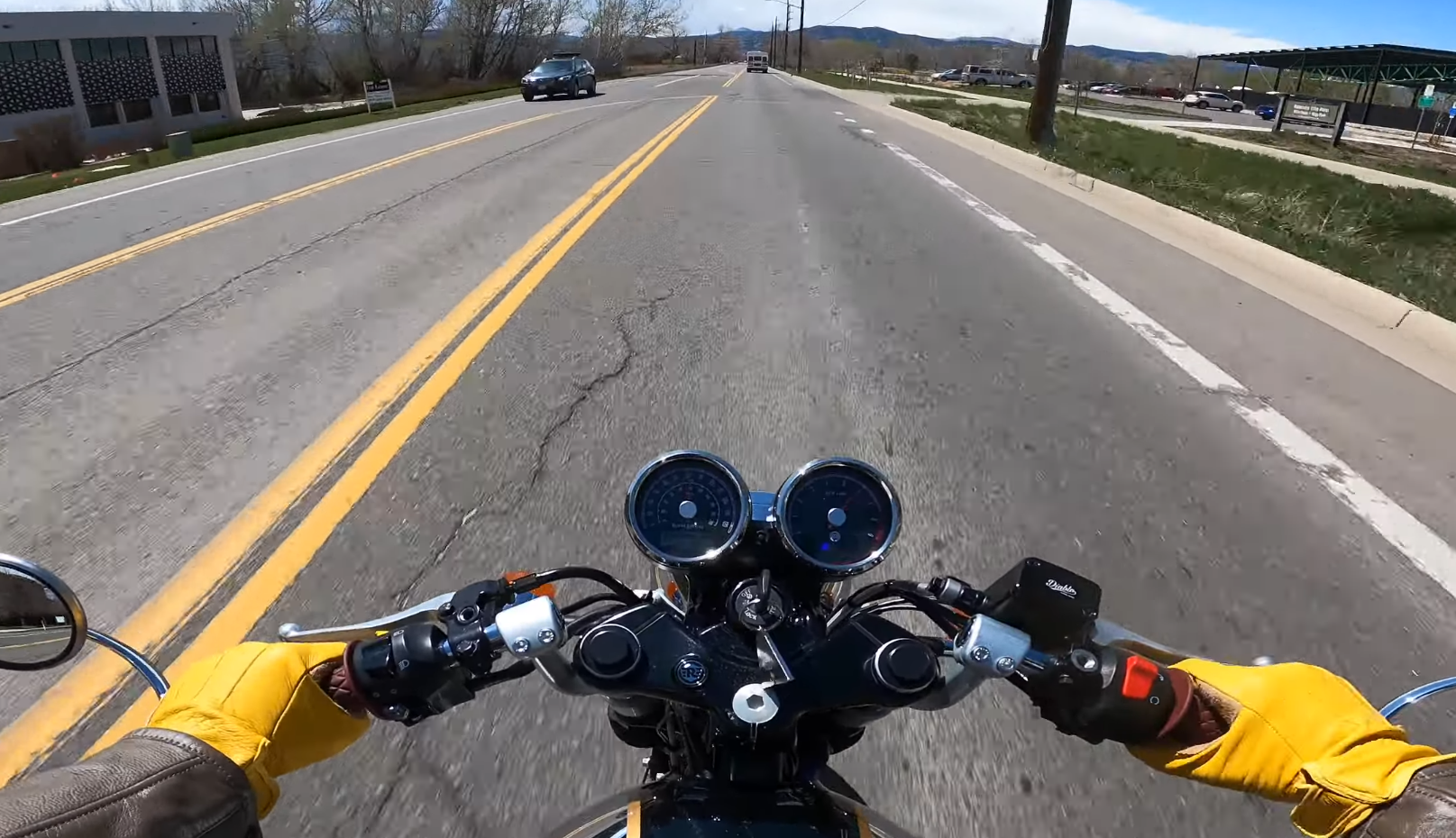
The physics are brutal: a rider traveling at 45 mph has virtually no time to react when a driver suddenly cuts across their path. Unlike car-on-car collisions where crumple zones and airbags provide protection, motorcyclists absorb the full force of impact. On a cafe racer—built for agility and stripped down to essentials—there’s even less buffer between you and the asphalt.
The problem isn’t just that drivers make left turns. It’s that they consistently fail to see motorcycles before turning. This phenomenon, known as “inattentional blindness,” occurs when a driver looks directly at an approaching motorcycle but their brain doesn’t register it as a threat. They’re scanning for larger vehicles, and bikes—especially sleek, low-profile cafe racers—simply don’t compute in their peripheral awareness.
Why Rideshare Drivers Are Particularly Dangerous
Rideshare drivers face unique challenges that make them more prone to these dangerous left-turn mistakes. Unlike professional taxi drivers who know their service area intimately, rideshare operators often rely heavily on GPS navigation to find unfamiliar destinations. This means their attention is split between the road, the navigation app, glowing on a dashboard mount or phone screen, and their passenger.
Add to this the pressure to accept new ride requests while driving, communicate with passengers, and maintain high ratings that depend on efficiency, and you have a recipe for distracted driving. A rideshare driver approaching an intersection may be more focused on whether to accept the next ping or confirm a passenger’s drop-off point than on scanning for motorcycles in oncoming traffic.
Rideshare drivers also tend to operate during peak traffic hours and in urban areas where motorcyclists are most vulnerable. In Austin, a city that’s seen explosive growth in both rideshare usage and motorcycle culture, the interaction between these two groups happens thousands of times daily. Each intersection becomes a potential collision point.
The Texas Intersection Problem
Texas roadways present particular challenges for motorcyclists. Many intersections feature wide, multi-lane roads with speed limits that can catch drivers off guard. A driver waiting to turn left may misjudge the speed of an approaching motorcycle, assuming they have time to complete the turn when they don’t.
The Texas Transportation Institute reports that fatal crashes between motorcyclists and drivers often occur precisely because drivers misjudge the motorcycle’s distance and speed when making left turns in front of oncoming riders. On a cafe racer, which may not have the visual profile of a touring bike or cruiser, this misjudgment becomes even more likely.
What Riders Can Do
While you can’t control other drivers’ behavior, you can take defensive measures to reduce your risk. Position yourself in your lane to maximize visibility—avoid riding in other vehicles’ blind spots, especially when approaching intersections. Watch for vehicles in left-turn lanes and look for telltale signs they’re about to move: front wheels turning, driver looking away, or the vehicle creeping forward.
Assume that drivers don’t see you. This mindset might seem pessimistic, but it’s kept countless riders alive. When you spot a vehicle waiting to turn left, apply your brakes, reduce your speed slightly, and create an escape route. Make eye contact with the driver when possible, and consider using reflective gear or running lights to increase visibility.
Be especially cautious around vehicles with rideshare stickers or dashboard phone mounts—visual cues that the driver may be operating under the divided attention that comes with app-based transportation.
Protecting Your Rights After a Crash
Despite all precautions, crashes still happen. When a left-turning vehicle violates your right-of-way and causes a collision, Texas law typically holds that driver liable. If that driver is operating a rideshare vehicle, liability questions can become more complex, involving not just the driver but potentially the rideshare company as well.
Austin ride‑hailing accident attorneys can help determine fault and navigate the insurance claims process when these crashes result in serious injuries. Understanding your legal options becomes crucial when facing medical bills, lost wages, and the long recovery that motorcycle accidents often require.
Staying Vigilant on Texas Roads
The cafe racer community represents a unique blend of style, performance, and rider skill. But even the most experienced rider can’t predict when a distracted rideshare driver will make a sudden left turn without looking. Awareness, defensive riding, and visibility are your best tools for staying safe.
Every time you head out on your bike, remember that intersections aren’t just crossroads—they’re conflict zones where your visibility to other drivers can mean the difference between making it home and becoming another statistic. Ride like you’re invisible, position yourself strategically, and never assume a waiting driver sees you.
The roads belong to all of us, but the responsibility for staying safe falls disproportionately on riders. Stay alert, ride smart, and always give yourself an out when approaching that left-turning driver who might not be looking your way.