The cafe racer renaissance has brought vintage aesthetics back to Florida’s roads, but the debate over safety continues to divide the motorcycle community. While modern sport bikes boast cutting-edge technology and safety systems, retro-styled motorcycles appeal to riders seeking a more visceral, stripped-down experience. Understanding the real safety differences between these two categories matters, especially when navigating Florida’s unique riding conditions and legal landscape.
The Safety Technology Gap
Modern sport bikes come equipped with advanced safety features that were unimaginable just a decade ago. Anti-lock braking systems (ABS), traction control, cornering ABS, and ride-by-wire throttle management have become standard on many supersport models. These systems actively intervene to prevent wheel lockup during emergency braking and maintain traction during aggressive cornering or in wet conditions.
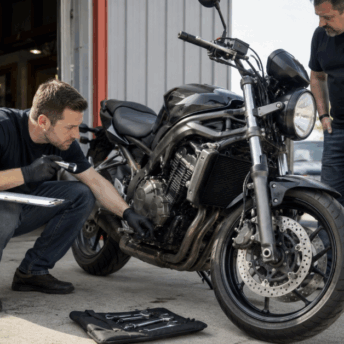
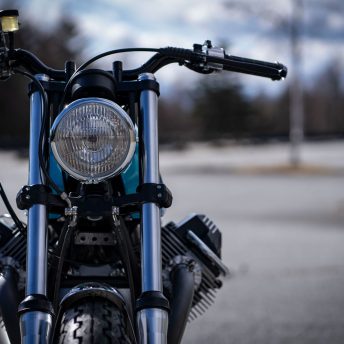
Retro motorcycles, particularly vintage cafe racers and custom builds, often lack these modern safety aids. Many custom builders intentionally remove safety features to achieve a minimalist aesthetic, leaving riders with basic braking systems and no electronic intervention. According to the National Highway Traffic Safety Administration, motorcycles with engines larger than 1,000cc represent 34% of fatal crashes, a significant increase from 22% in 1990 as bikes have become more powerful.
However, the absence of technology doesn’t automatically translate to increased danger. Modern retro-styled factory bikes like the Triumph Thruxton and Royal Enfield Continental GT incorporate contemporary safety features while maintaining classic aesthetics. The critical distinction lies between vintage bikes lacking modern systems and new retro-styled models that blend classic looks with current safety standards.
Rider Behavior and Motorcycle Type
Statistics reveal that the type of motorcycle correlates strongly with rider demographics and behavior patterns. Supersport motorcycles have driver death rates nearly four times higher than other motorcycle types. The Insurance Institute for Highway Safety found that in both 2000 and 2005, the death rate for supersport riders was twice that of sport bike riders and four times higher than riders of cruisers and touring bikes.
Age demographics tell an important story. Fifty-two percent of supersport operator fatalities in 2019 involved riders age 30 or younger, with an average age of just 27 for fatally injured supersport riders. In contrast, most fatally injured cruiser (64%) and touring bike operators (81%) were 40 or older. This age gap suggests that aggressive riding behavior, rather than mechanical design alone, significantly influences crash outcomes.
The riding position and intended use also affect safety. Supersport bikes encourage aggressive riding with their forward-leaning ergonomics, high power-to-weight ratios, and track-focused design. Retro motorcycles typically feature upright seating positions that promote better visibility and more relaxed riding, potentially reducing risk-taking behavior. However, speed remains a factor in over one-third of fatal motorcycle crashes regardless of bike style.
Florida’s Unique Motorcycle Safety Challenges
Florida presents distinct challenges for motorcyclists of all types. The state recorded 589 motorcycle fatalities in 2024, representing 18.50% of all traffic fatalities. Florida’s year-round riding season, high tourist traffic, and variable weather conditions create hazards that affect riders regardless of their motorcycle choice.
The state’s partial helmet law, which only requires helmets for riders under 21 or those without adequate insurance coverage, creates additional risk factors. National data shows that in states without universal helmet laws, 51% of motorcyclists killed were not wearing helmets, compared to only 10% in states with universal helmet laws. Helmet use also varies by motorcycle type. In 2021, 81% of fatally injured supersport operators wore helmets, while only 51% of cruiser and touring bike operators were helmeted.
Road conditions in Florida, including sudden rain showers, sand on pavement, and heavy tourist traffic in urban areas like Orlando, Tampa, and Miami, test any motorcycle’s handling capabilities. Modern sport bikes’ electronic aids can help manage these conditions, but they cannot eliminate the fundamental vulnerabilities that all motorcyclists face.

The Custom Build Safety Consideration
For enthusiasts building custom cafe racers, safety considerations extend beyond the motorcycle itself. Many custom builds strip away not just aesthetic elements but also functional safety components. Removing mirrors, upgrading to performance brakes without ABS, installing smaller fuel tanks that affect weight distribution, and fitting clip-on handlebars that alter riding position all impact safety.
The custom motorcycle community has begun addressing these concerns. Many builders now emphasize that cafe racers should be as safe as the rider’s behavior on the road, regardless of styling choices. Incorporating modern components like LED lighting for visibility, quality suspension components, and maintaining proper tire selection can make custom builds significantly safer without compromising their vintage aesthetic.
When Accidents Happen
Regardless of motorcycle type, Florida riders face significant legal and medical challenges after crashes. The motorcyclist fatality rate was nearly 28 times higher than the passenger car occupant fatality rate in traffic crashes in 2023, with 31.39 motorcyclist fatalities per 100 million vehicle miles traveled compared to 1.13 for passenger cars.
When crashes occur involving motorcycles in Florida, understanding your legal options and working with Orlando motorcycle accident attorneys can help navigate the complex insurance and liability issues that arise from serious injuries. Modern sport bikes’ advanced safety systems may factor into accident reconstruction, as investigators examine whether technology failures contributed to crashes. Similarly, vintage or custom motorcycles lacking safety features may face scrutiny regarding whether the absence of modern systems increased injury severity.
Florida operates under a no-fault insurance system for most vehicles, but motorcycles are excluded from Personal Injury Protection (PIP) coverage requirements. This means injured motorcyclists must pursue compensation directly from at-fault drivers or through their own insurance policies. Understanding these legal nuances becomes critical when serious injuries result from accidents, regardless of whether a rider chose a retro cafe racer or a modern supersport.