For new riders, motorcycle gear is often treated as secondary to the bike itself. Riders spend weeks researching café racers, exhaust systems, and custom styling while overlooking the equipment that truly shapes the riding experience. In reality, quality riding gear affects comfort, confidence, safety, and even how long you can stay on the road without fatigue.
Whether you ride a café racer, urban commuter, cruiser, or lightweight scrambler, the principles remain the same: fit matters more than appearance, protection matters more than trends, and quality equipment always outlasts cheap alternatives. Modern motorcycle gear finally allows riders to combine style with real-world protection, especially within the café racer scene where retro aesthetics dominate.
This guide breaks down the essentials every beginner rider should understand when choosing boots, riding pants, gloves, jackets, and helmets while explaining how each piece should properly fit.
Boot Guide
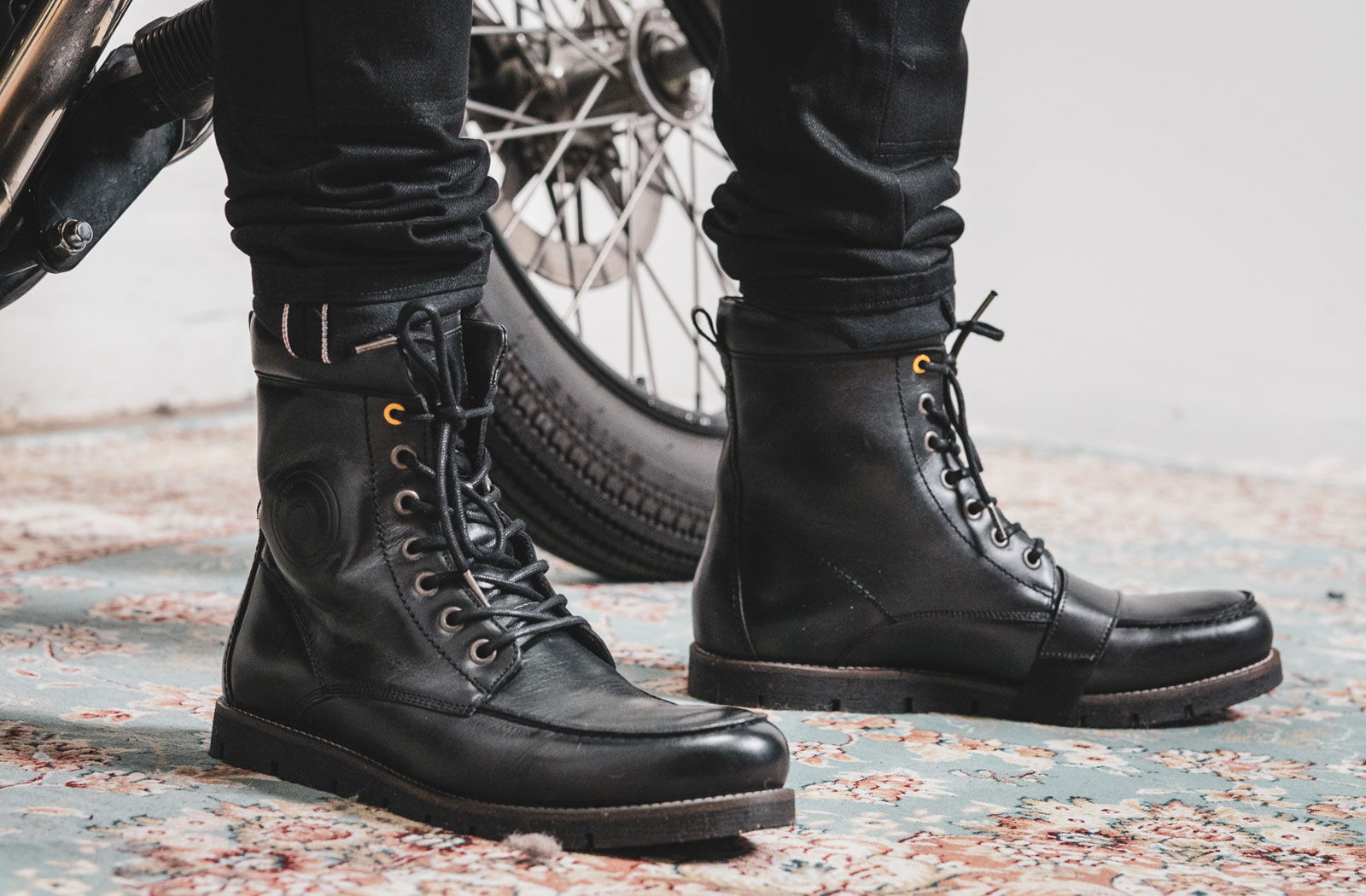
Motorcycle boots are one of the most important pieces of riding equipment because they protect areas commonly injured during crashes: the feet, ankles, and lower shin. A proper riding boot should feel snug around the heel while leaving enough room for natural toe movement. Most importantly, it should fully cover the ankle.
Quality riding boots typically include reinforced ankle protection, durable soles with strong grip, and shifter pads that prevent wear from repeated gear changes. Café racer riders often prefer boots that resemble military or work boots because they maintain a clean urban aesthetic while still offering real protection.
Urban riding boots are generally more flexible and comfortable than aggressive sportbike or motocross boots because café racer riders frequently spend time walking, commuting, and socializing off the motorcycle. Modern riding sneakers have also become popular because they combine casual styling with hidden armor and reinforced construction.
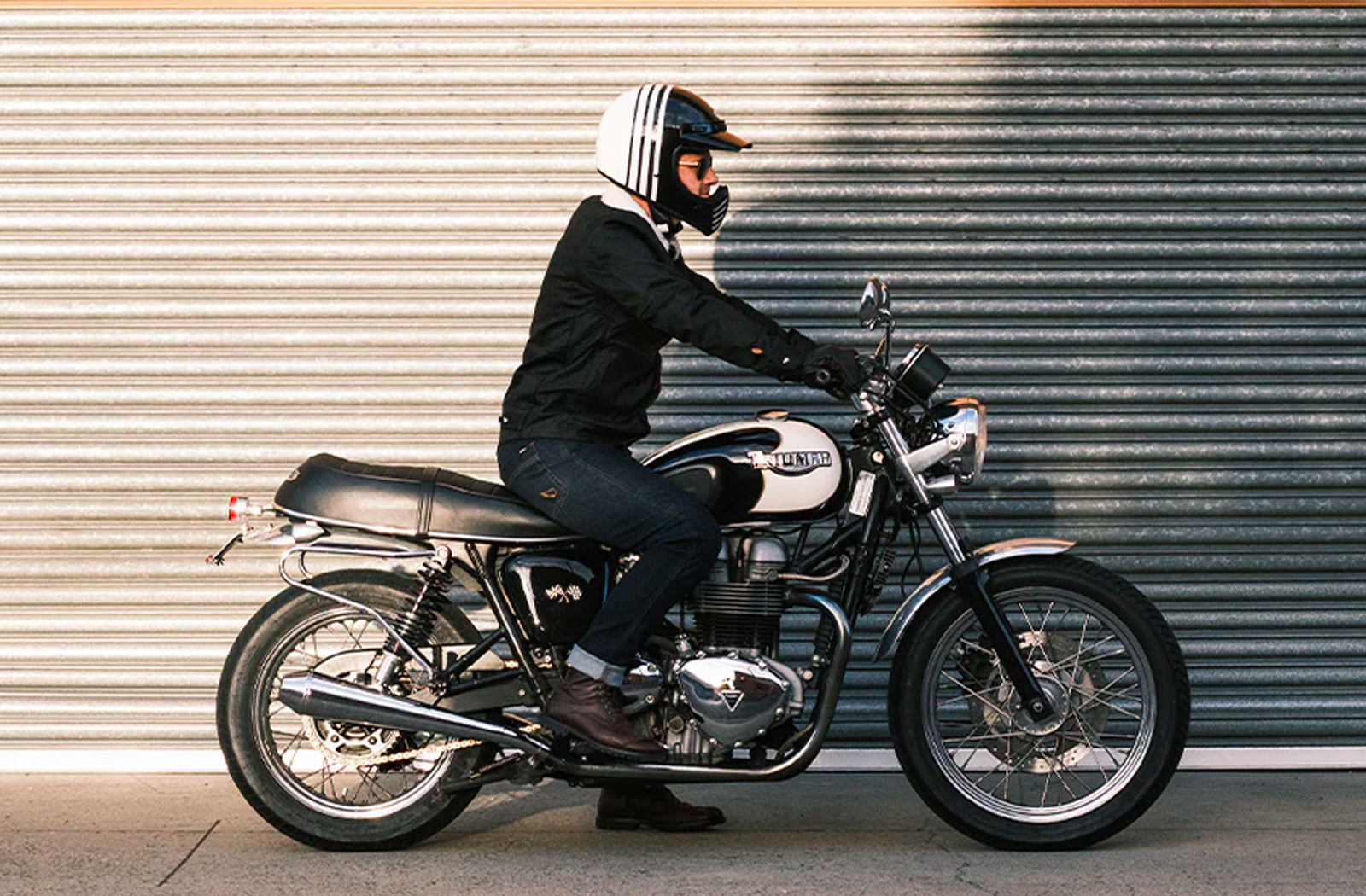
From a style perspective, boots anchor the entire rider aesthetic. Black or brown leather lace-up boots pair naturally with slim riding jeans and retro jackets, creating the classic café racer silhouette without sacrificing safety.
Riding Pants and Proper Fit
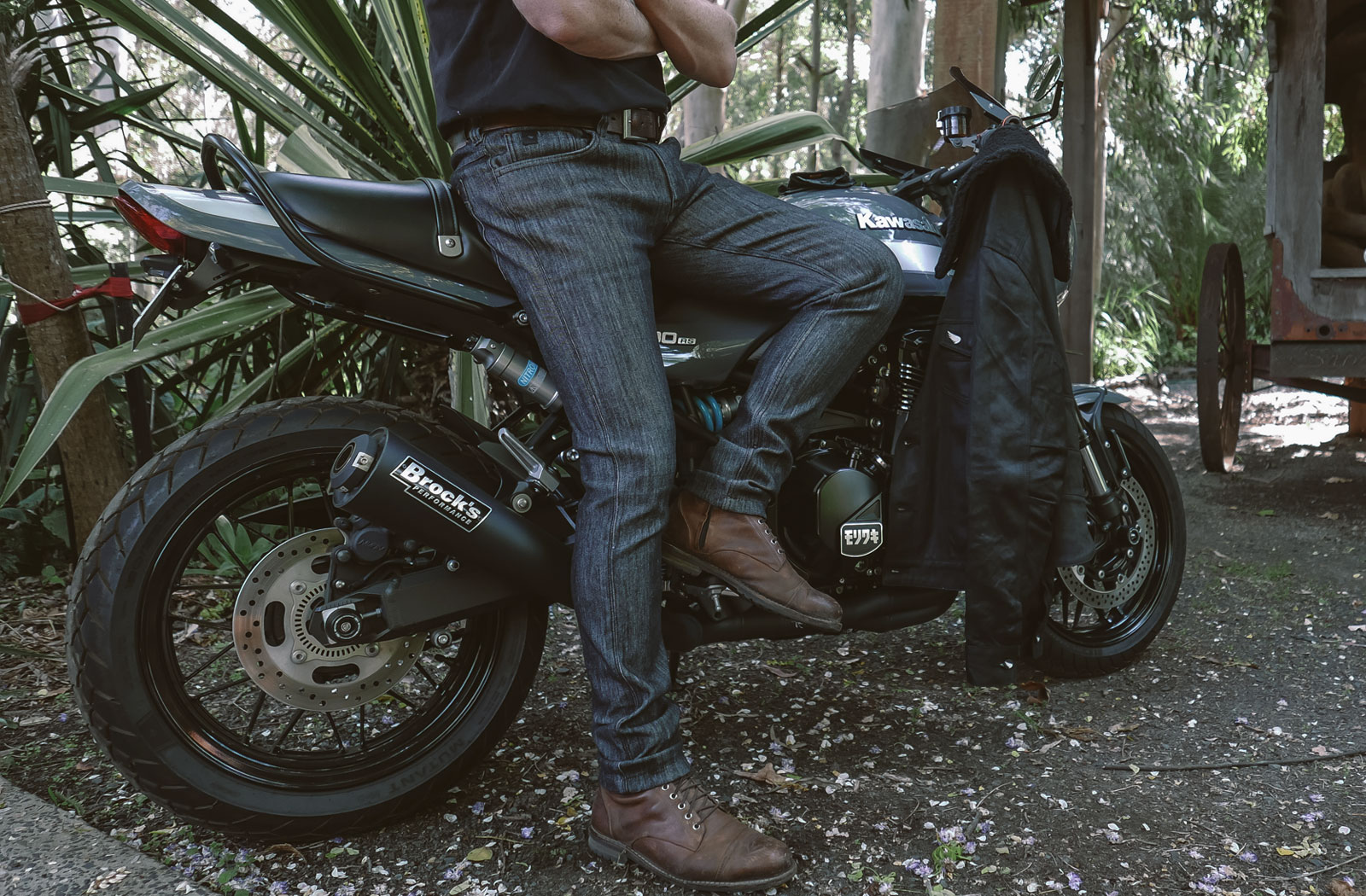
Regular denim offers very little abrasion resistance during a slide, which is why riding pants are essential. Motorcycle jeans are reinforced with materials like Kevlar, Cordura, or aramid fibers designed to survive contact with pavement far longer than standard jeans.
Most riding pants include CE-rated knee armor and optional hip armor pockets. The most important factor when fitting riding pants is armor placement. The knee armor should fully cover the knees while seated on the motorcycle, not just while standing upright in a store.
This is where inseam length becomes critical. Many riders buy pants based solely on waist size, only to discover the armor sits too low once they ride. Slim-fitting riding jeans usually work best because they prevent armor from shifting during movement or impact.
Modern café racer riding pants successfully disguise their protective features. Many resemble ordinary slim-fit jeans or cargo pants while integrating reinforced abrasion panels and impact protection underneath.
Dark wash denim, black riding jeans, and olive riding cargos remain popular choices because they complement the minimalist urban style associated with café racer culture.
Gloves and Fitment
Gloves are often underestimated by beginner riders, yet they directly affect throttle control, braking precision, and comfort. During a crash, riders instinctively use their hands to break a fall, making hand protection essential.
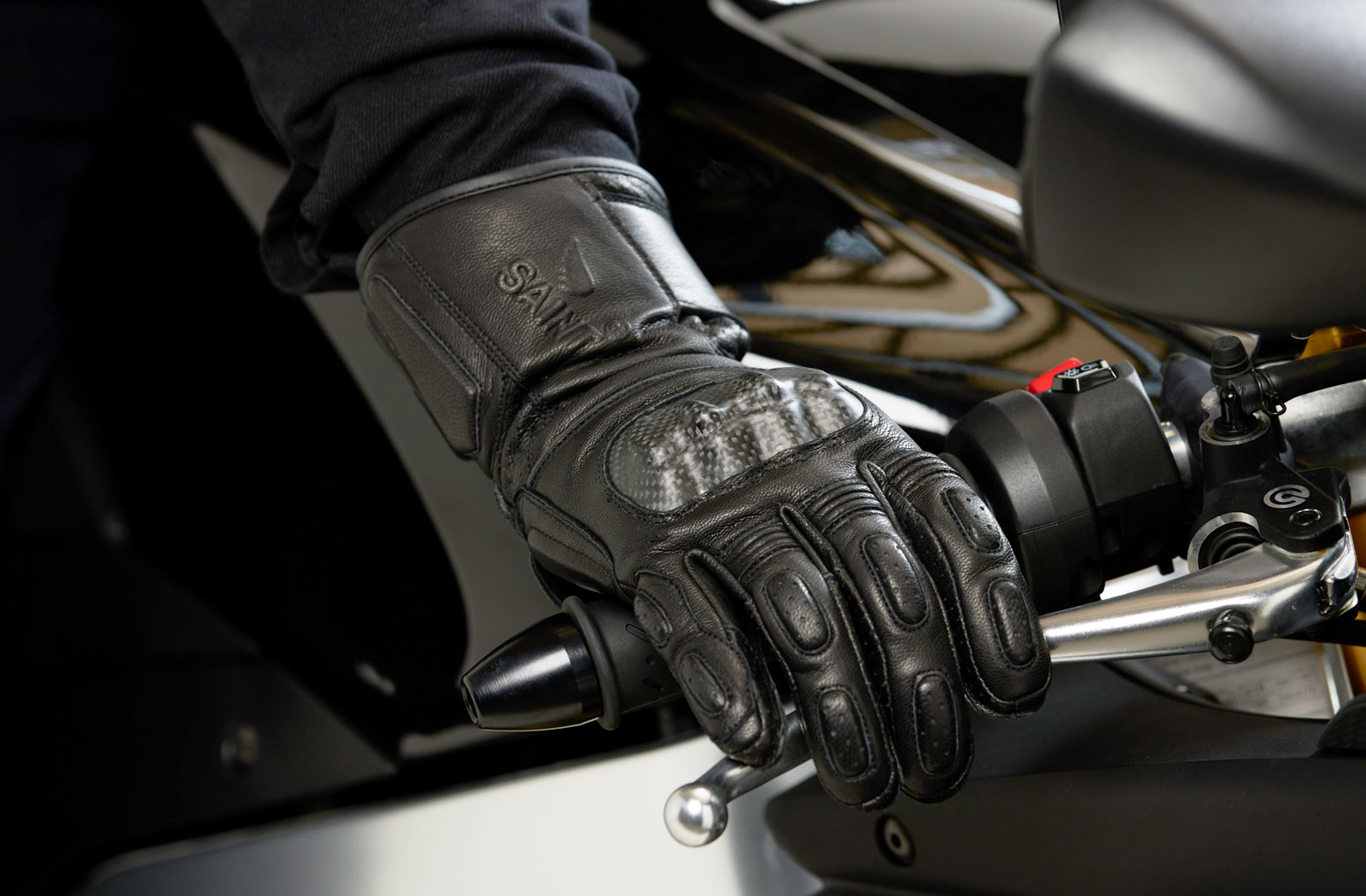
A quality glove should fit snugly without restricting circulation. Excess material around the fingers reduces feel at the controls and makes clutch and brake operation less precise. Leather remains the preferred material for many café racer riders because it combines abrasion resistance, flexibility, and timeless styling.
Most quality gloves include reinforced palms, knuckle protection, pre-curved fingers, and secure wrist closures. Short-cuff gloves are especially popular in urban riding because they pair naturally with retro jackets and café racer styling.
When fitting gloves, riders should pay close attention to thumb and finger mobility. Too much material around the thumb can interfere with turn signal operation, while loose fingers reduce control feedback. Leather gloves should initially feel tight because they naturally stretch and mold to the rider’s hands over time.
Premium gloves sometimes include palm sliders designed to reduce rotational force during a slide. Ventilation also matters, especially for city riders dealing with warm weather and stop-and-go traffic.
Jackets and Armor
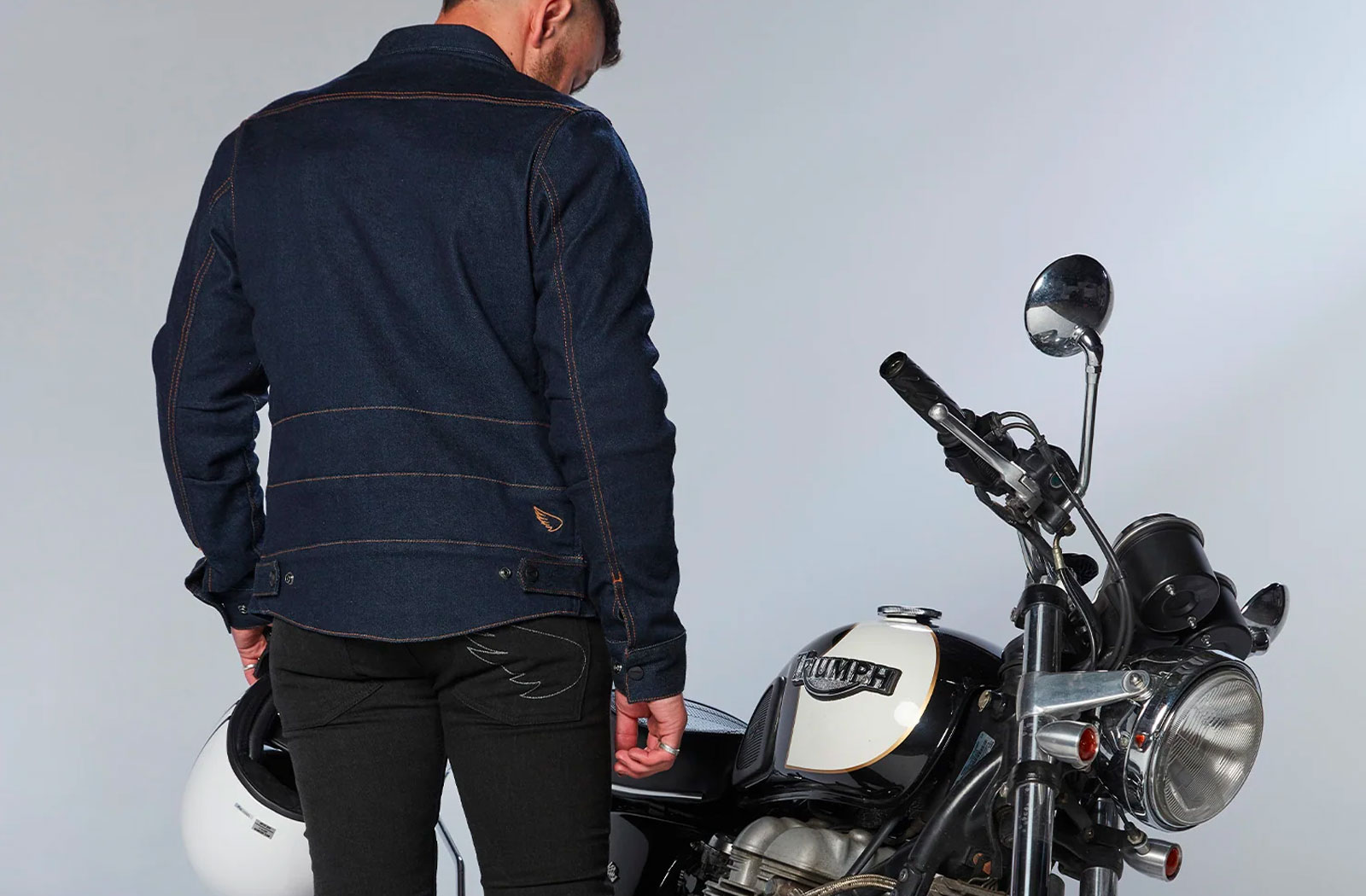
For café racer riders, the jacket is usually the visual centerpiece of the entire riding setup. A proper motorcycle jacket should balance protection, mobility, and clean styling while feeling equally natural on and off the bike.
Unlike fashion jackets, motorcycle jackets include abrasion-resistant materials, reinforced seams, and armor at the shoulders and elbows. Most also contain a pocket for optional back protection, although many riders mistakenly skip installing the back protector.
This is a serious mistake because spinal injuries are among the most dangerous outcomes of motorcycle crashes. A CE-rated back protector should always be added immediately after purchasing a jacket.
When fitting a jacket, riders should check that the sleeves remain near the wrist while reaching forward into riding position. The shoulder and elbow armor should stay aligned with the joints even when moving naturally.

Café racer jackets typically favor slim cuts, minimal branding, and retro styling. Leather remains the defining material of the genre because it offers both abrasion resistance and timeless appearance. Textile jackets, however, continue improving with lighter construction, waterproofing, and ventilation systems.
Helmet Guide and Proper Fit
The helmet is the single most important piece of riding equipment because it protects against traumatic head injuries. Riders should always prioritize certified helmets meeting DOT or ECE safety standards.
A helmet should feel snug around the entire head without creating painful pressure points. When putting one on, riders should spread the chin straps slightly and pull the helmet down firmly. A helmet that slides on too easily is usually too large.
Once fitted, the helmet should move with the rider’s head rather than shifting independently. Cheek pads should feel snug, and the helmet should not rotate excessively during movement tests.
Head shape also matters significantly because different helmets are designed for round oval, intermediate oval, or long oval head profiles. Even an expensive helmet can become uncomfortable if the internal shape does not match the rider’s head properly.
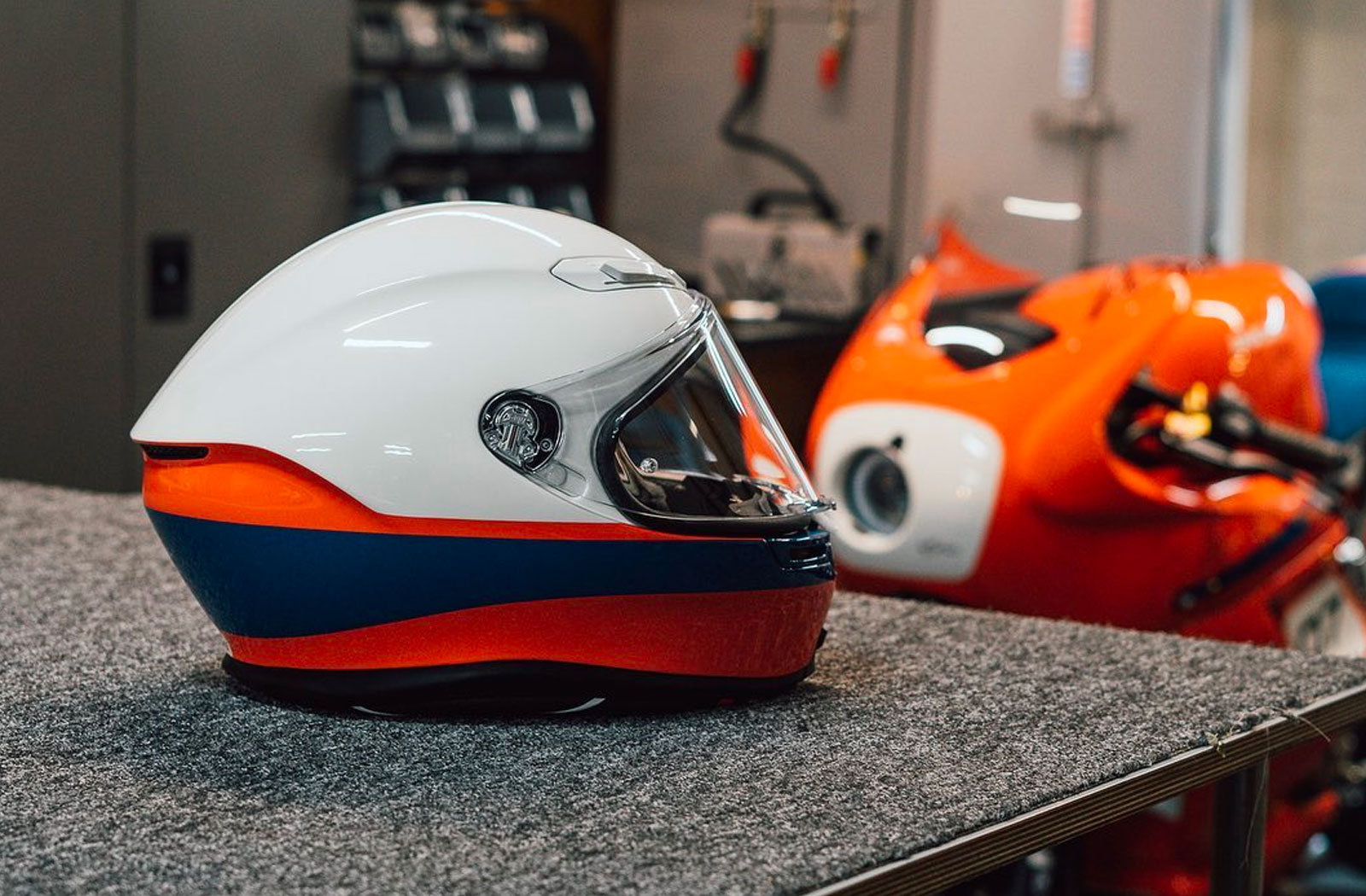
Retro full-face helmets remain especially popular among café racer riders because they preserve the classic aesthetic while offering modern safety protection.
Final Thoughts
Good motorcycle gear does more than protect the rider. It improves confidence, enhances comfort, and creates a stronger connection between rider and machine. For café racer riders especially, the ideal setup combines minimalist style with functional protection.
The best gear should feel natural, secure, and properly fitted every time you ride. Once your helmet fits correctly, your jacket armor stays in place, and your gloves and boots move naturally with your body, riding becomes significantly safer and more enjoyable.
For beginners, the goal is not simply looking like a rider. It is becoming one safely and confidently from the very first ride.
Source: Cafe Racer New York City