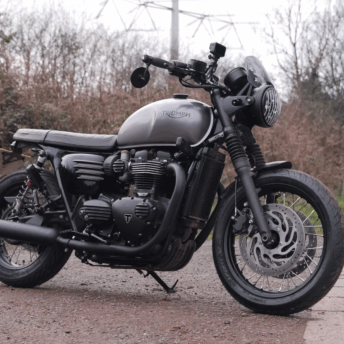
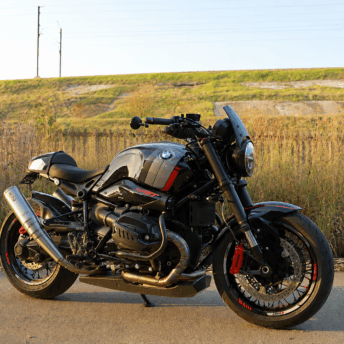
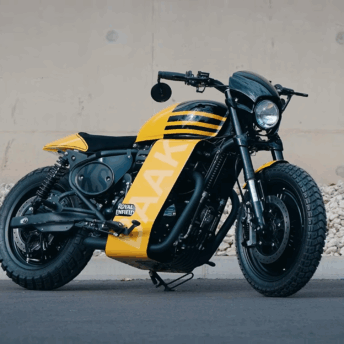
In 2026, the café racer segment sits at a fascinating crossroads. What began as a post-war British subculture—defined by stripped-down bikes, low clip-ons, and ton-up aspirations—has evolved into a diverse category blending heritage design with modern engineering. Today’s buyers don’t just want vintage aesthetics; they expect reliability, electronics, and real-world usability. The result is a spectrum of machines that interpret the café racer ethos in dramatically different ways.
Below is a curated, price-ascending analysis of ten of the most compelling café racers (and café-adjacent machines) on the market in 2026—evaluated not just for styling, but for engineering integrity, performance value, and long-term desirability.
1. Triumph Thruxton 400
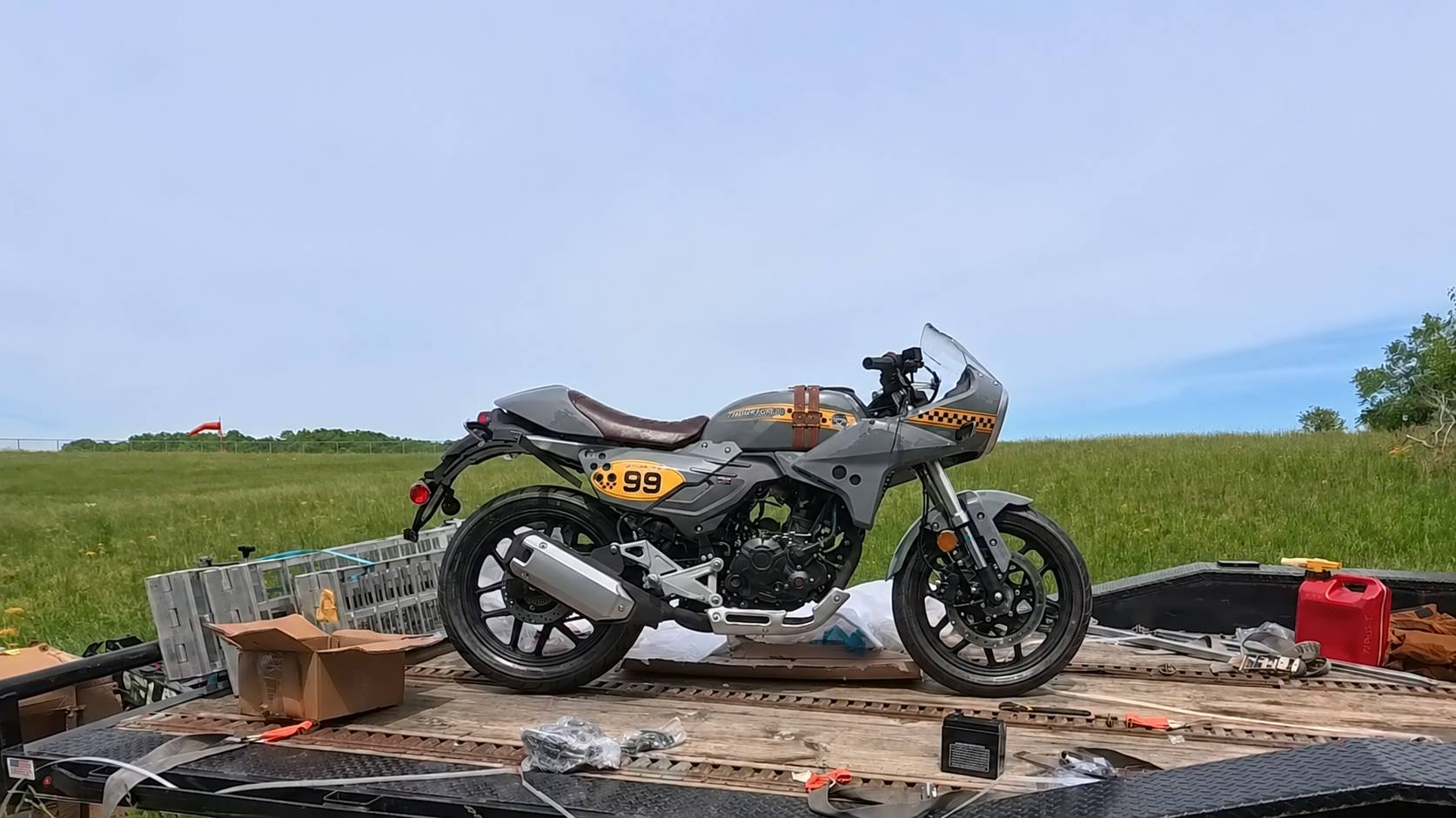
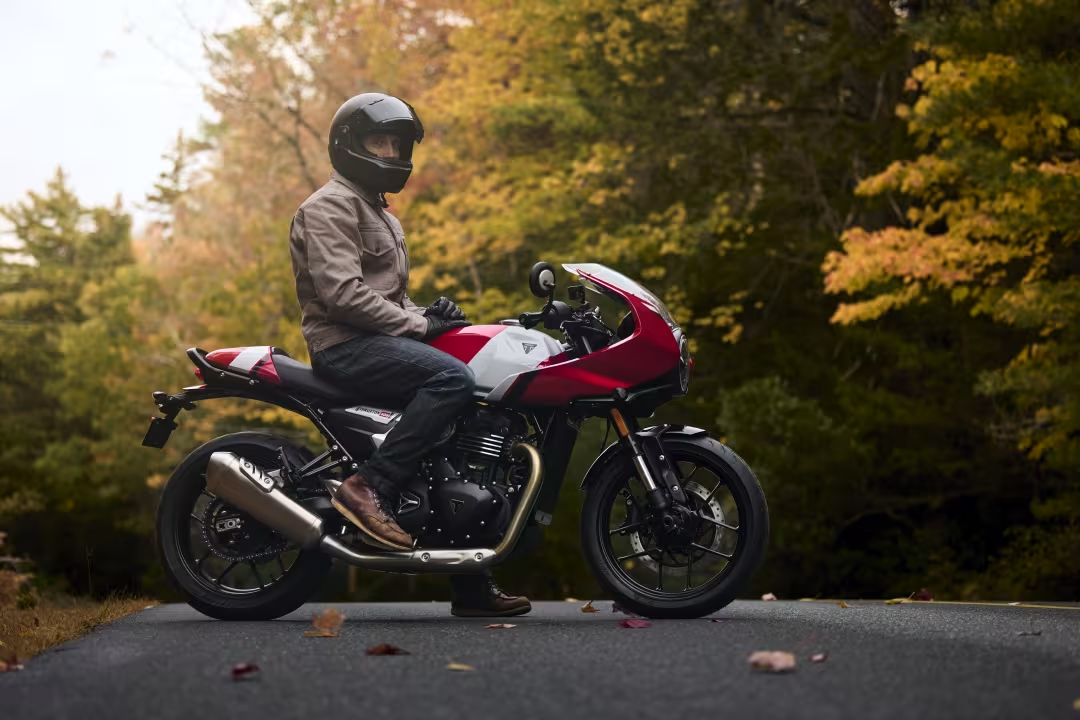
Triumph’s smallest Thruxton delivers an accessible gateway into café racer ownership. Built on the same platform as the Triumph Speed 400, it differentiates itself through visual and ergonomic tweaks: a nose fairing, sculpted seat cowl, and slightly more aggressive bar positioning.
While purists may note its contemporary underpinnings, Triumph has cleverly retained hallmark cues—round headlamp, faux cooling fins, and classic proportions. Performance from the liquid-cooled single (≈41 hp) is modest, but adequate for urban sport riding.
2. Royal Enfield Continental GT 650
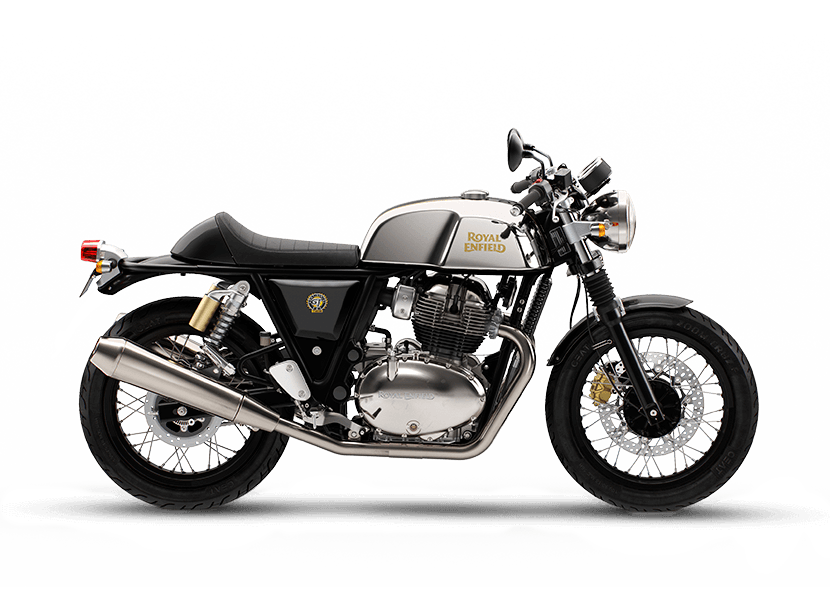
Few motorcycles embody the café racer spirit as convincingly at this price point. The air/oil-cooled parallel twin delivers 47 hp with a character-rich torque curve, while the chassis strikes a rare balance between stability and engagement.
At roughly 30 kg heavier than the Triumph, it’s not the sharpest tool dynamically—but what it lacks in agility, it compensates with authenticity. The long tank, low bars, and classic stance are near textbook. Royal Enfield continues to dominate the “affordable heritage” niche by prioritizing emotional engagement over outright specs.
3. Suzuki GSX-8T
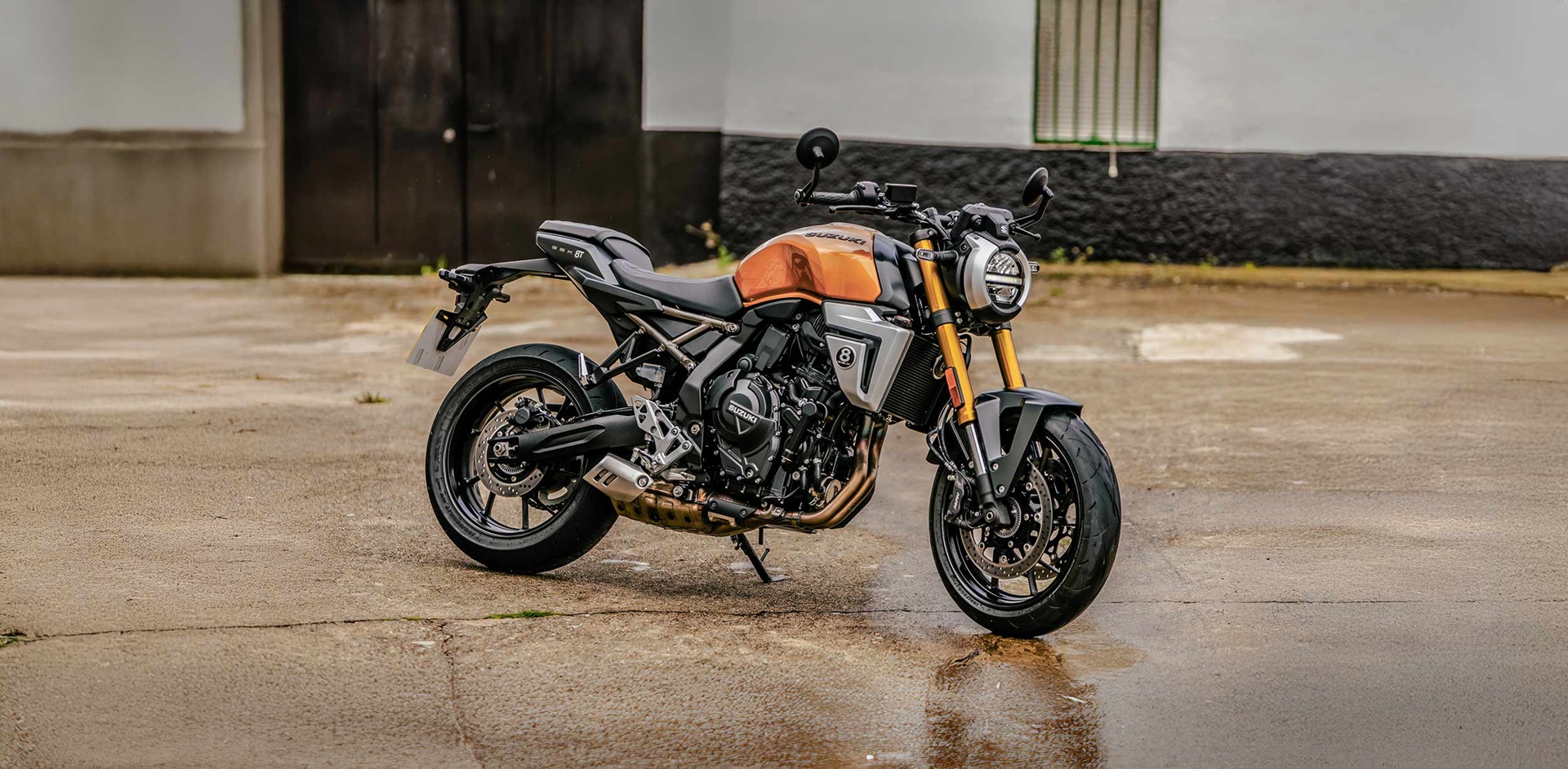
Derived from the Suzuki GSX-8S, the GSX-8T leans heavily into modern usability. Its parallel twin engine and upright ergonomics make it far more approachable than traditional café racers. Visually, it adopts retro cues—especially with its fairing—but lacks the mechanical authenticity enthusiasts often seek.Ideal for riders who like the café racer look but prioritize comfort and daily usability.
4. Moto Guzzi V7 (with Café Kit)
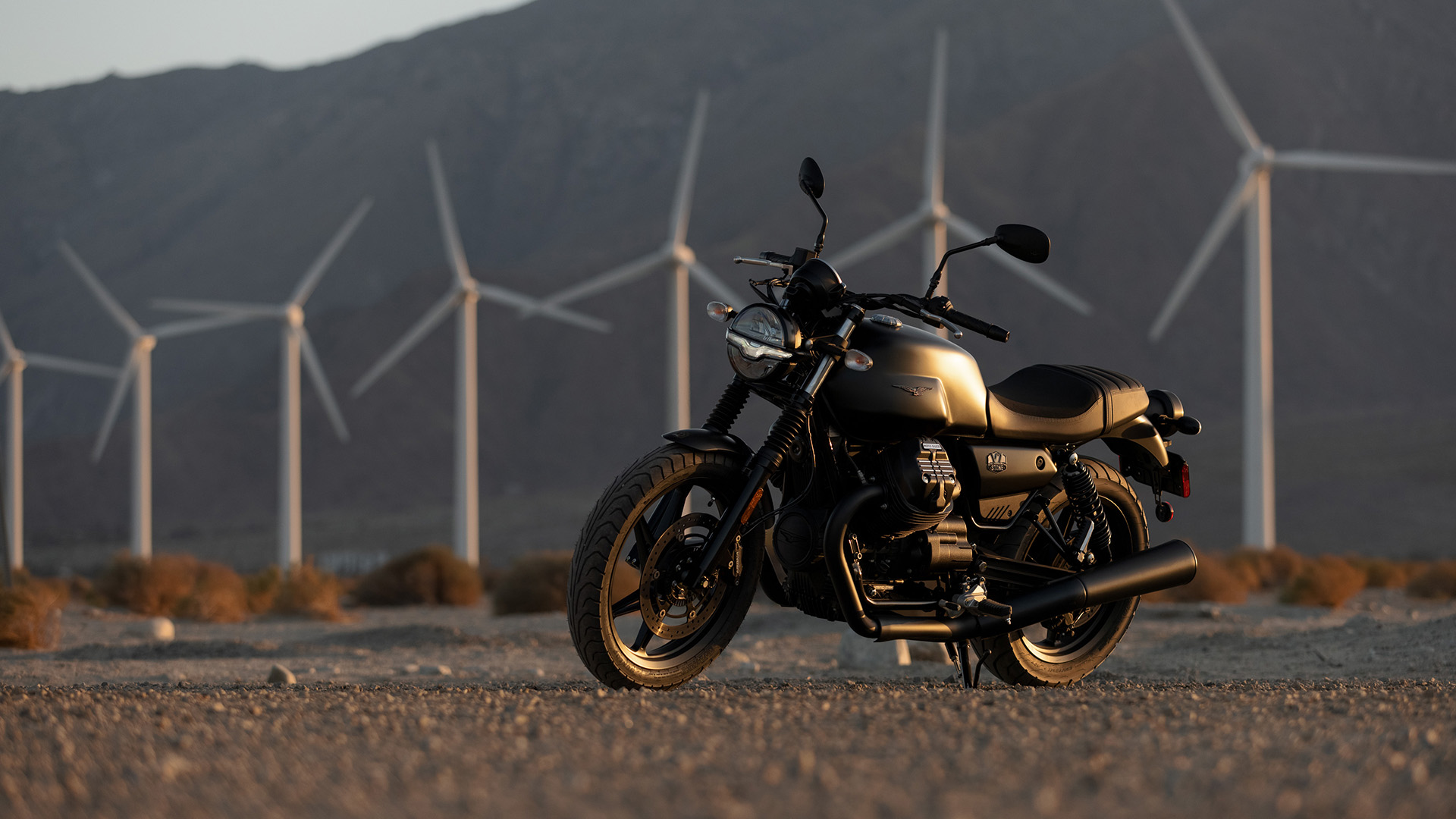
Moto Guzzi offers something unique: a modular approach. The V7’s 850cc transverse V-twin (≈70 hp) and shaft drive already deliver a distinctive riding experience. Add the factory café kit—fairing, seat cowl, bespoke paint—and you get a semi-custom machine with OEM reliability. This “factory customization” model reflects a broader trend—manufacturers monetizing personalization without sacrificing warranty or quality control.
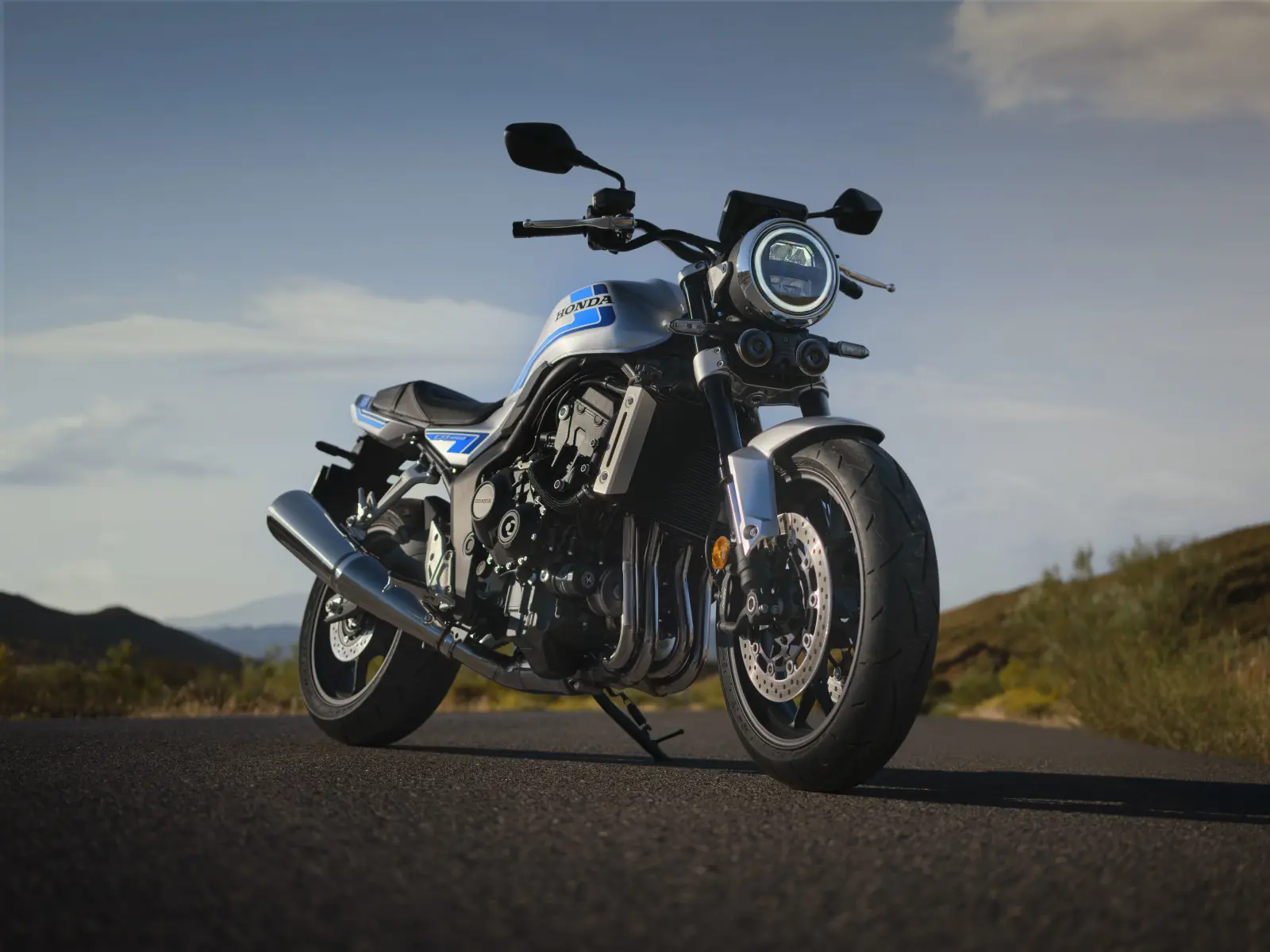
5. Honda CB1000F Retro
Based on the Honda CB1000 Hornet, this machine uses a detuned Honda Fireblade engine producing around 120 hp. While aesthetically retro, its inline-four architecture and modern chassis expose its true identity: a high-performance naked in vintage clothing. It may not be a purist café racer—but it is arguably one of the fastest “retro-styled” bikes available.
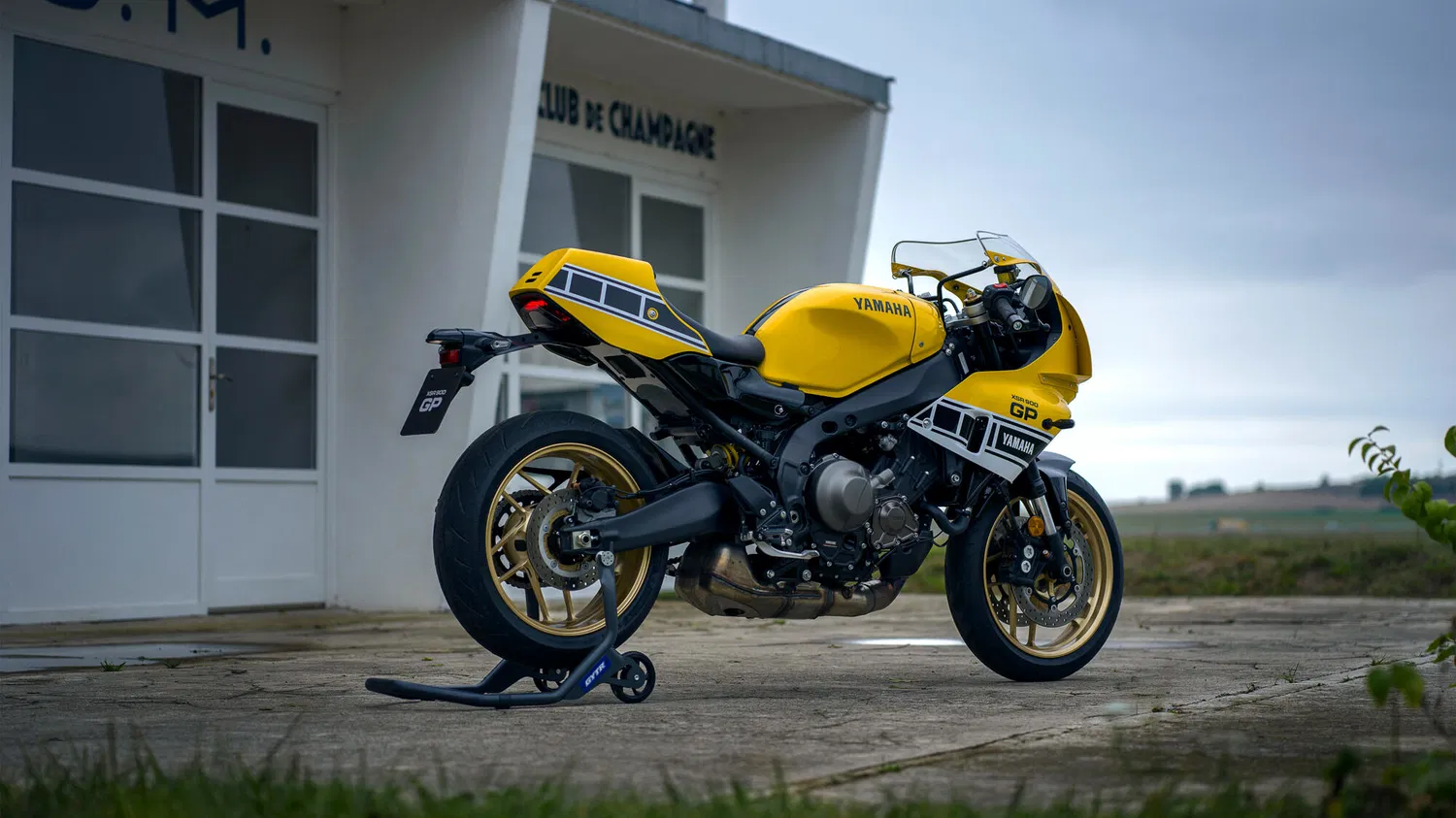
6. Yamaha XSR900 GP
Powered by Yamaha’s acclaimed CP3 triple, the XSR900 GP blends café racer ergonomics with race-inspired styling. The fairing, seat unit, and clip-ons evoke vintage GP bikes more than traditional café racers.Its performance is exceptional—arguably among the most engaging in this category. This represents the “neo-café” evolution—where performance and nostalgia coexist without strict adherence to tradition.
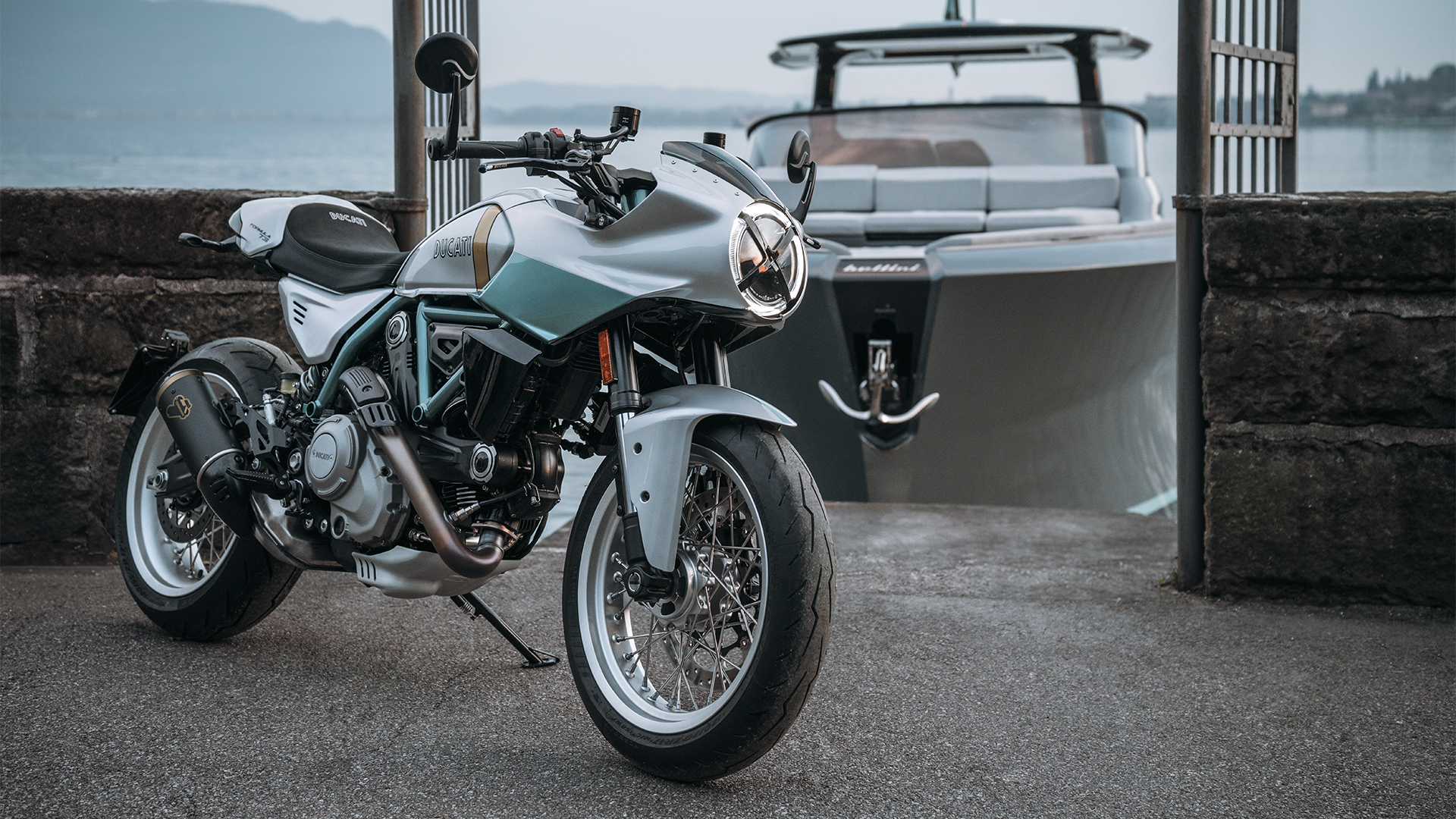
7. Ducati Formula 73
Built on the Ducati Scrambler 800, this limited-run model celebrates Ducati’s racing legacy, referencing the Ducati 750 Super Sport.Premium touches—Rizoma components, Termignoni exhaust, and exclusive paint—justify its higher price point, though the underlying platform remains relatively modest. Limited editions like this are less about performance and more about brand storytelling and collectibility.
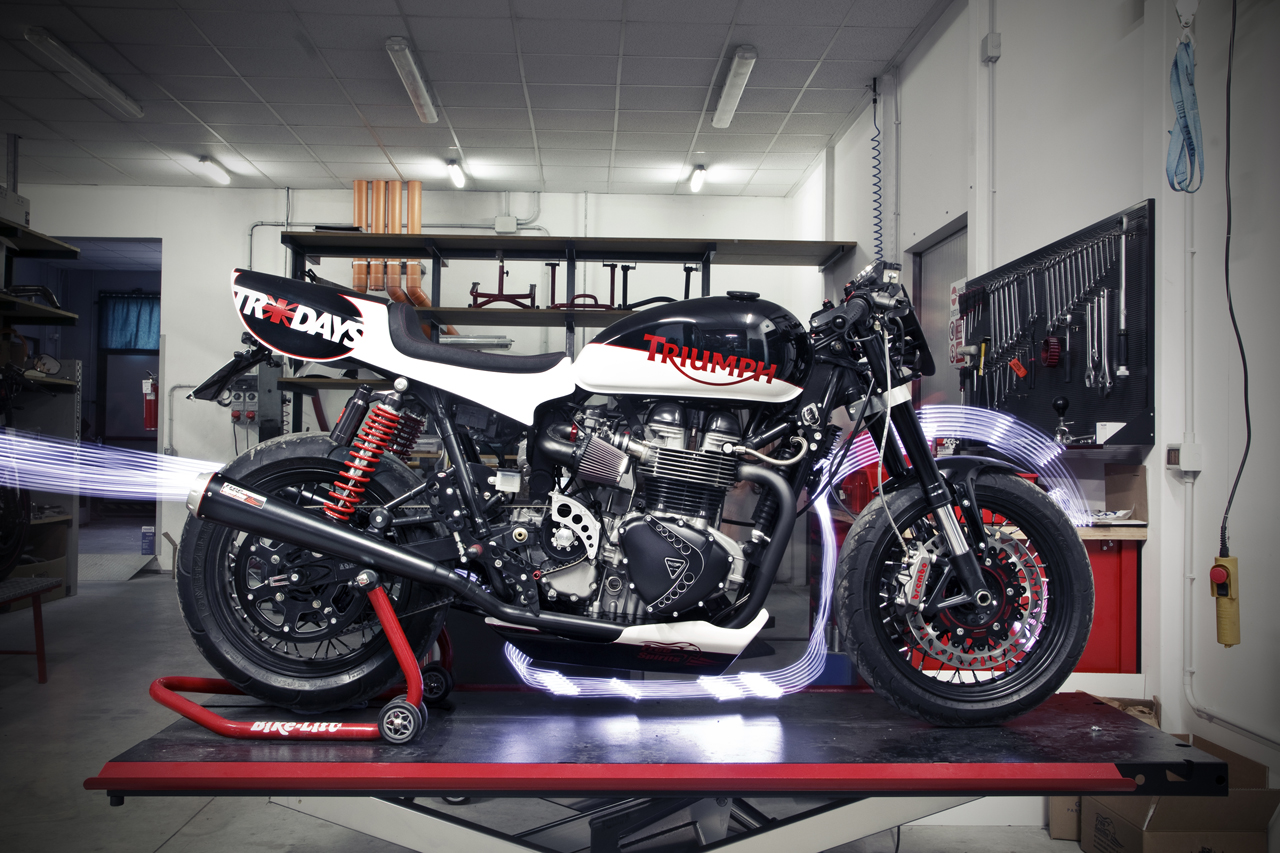
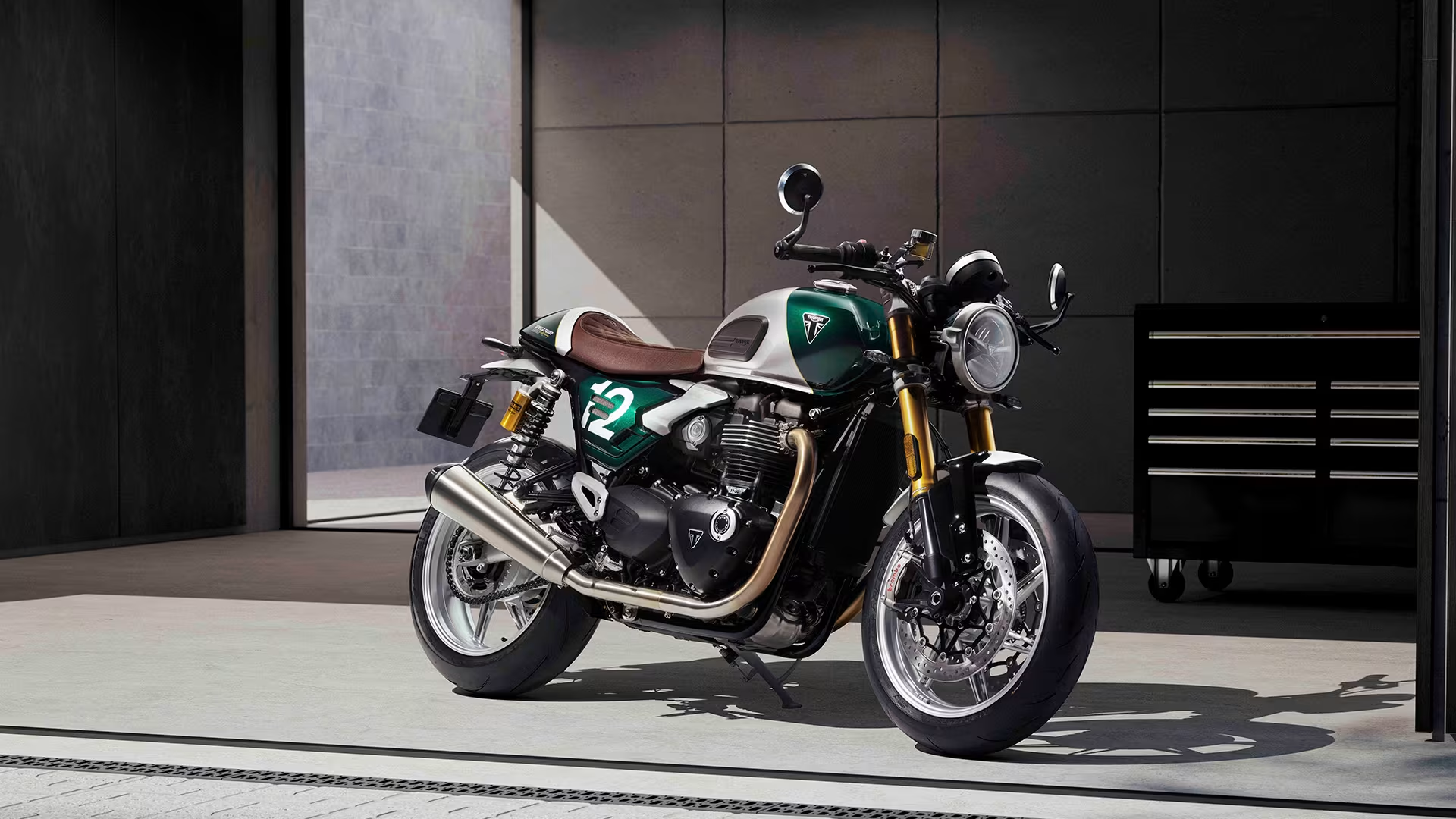
8. Triumph Speed Twin 1200 RS Cafe Racer Edition
With over 100 hp from its 1200cc twin, premium suspension (Öhlins rear, Marzocchi front), and Brembo braking, this is a serious performance machine. However, its café racer identity feels partially applied rather than fully engineered—particularly in details like the adapted top yoke. Exceptional to ride, slightly compromised in execution.
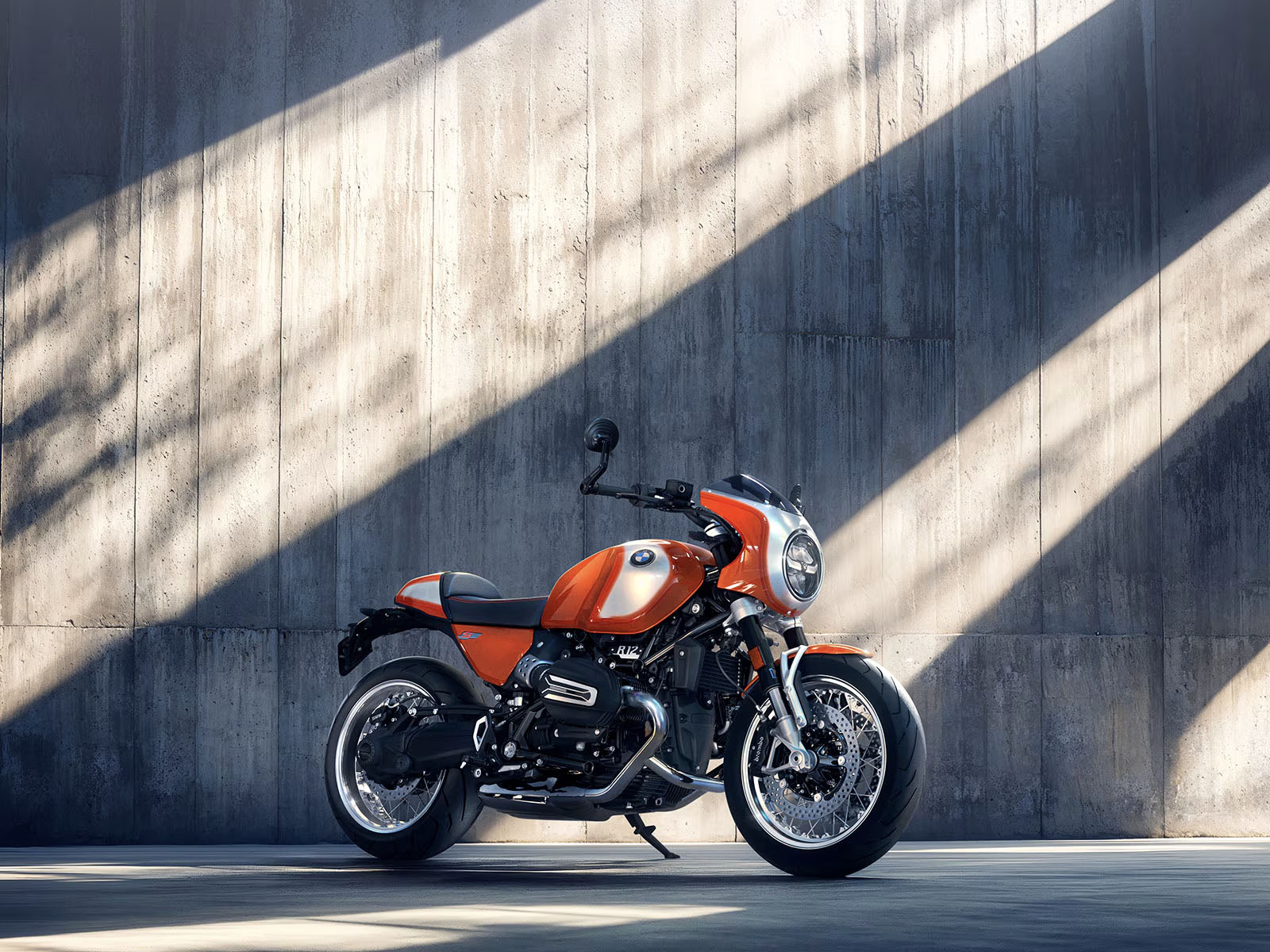
9. BMW R12 S
Drawing inspiration from the iconic BMW R90S, the R12 S pairs heritage styling with a 109 hp air-cooled boxer twin. Its refinement, build quality, and balanced dynamics elevate it above most competitors. While less aggressive ergonomically, it broadens appeal without diluting identity. One of the most complete café racers available—blending authenticity, usability, and prestige.
10. Harley-Davidson RMCR Concept
Based on the Harley-Davidson Revolution Max engine, this concept signals a potential shift for Harley-Davidson. If produced, it could redefine expectations of the brand—moving beyond cruisers into performance-oriented retro machines. Harley’s willingness to explore new segments may be critical for long-term relevance.

Ultimately, the modern café racer isn’t defined by clip-ons, fairings, or even engine layout. It’s defined by intent. Whether you want a minimalist backroad weapon, a daily rider with vintage flair, or a statement piece for your garage, 2026 offers a version of the café racer that fits—because the category has quietly become one of the most versatile in motorcycling.
Source: MOTOBOB