Why Buy Salvage Motorcycles & Where to Find Them
A motorcycle purchase can be logical and exciting at the same time. The best deals usually come to riders who stay calm, ask the right questions, and think in totals instead of sticker prices.
If you like the idea of getting more bike for your money, salvage motorcycles for sale can be a solid option. The discount can be real, especially on popular models that suffered cosmetic damage, a low-speed tip-over, or parts loss from theft recovery. For the right buyer, a salvage bike is less about chasing a “steal” and more about buying with eyes wide open, then putting in smart work.
A lot of people discover salvage listings after browsing cheap car auctions and realizing the same auction ecosystem often sells motorcycles, too. That is where the opportunity lives, but so do the risks. The win comes from knowing what “salvage” actually means, how repairs affect safety, and how to avoid paperwork problems that can turn a good deal into a garage ornament.
What “Salvage” Really Means for a Motorcycle
A salvage title usually indicates an insurer declared the bike a total loss. That decision often comes down to math, not the bike being “ruined.” A bent subframe, cracked fairings, or damaged forks can push repair estimates above a percentage of the bike’s value, especially after labor rates and OEM parts pricing get added in.
The key detail is the reason behind the salvage branding. Collision damage and theft recovery tend to be easier to evaluate than water-related damage. A bike that ingested water, sat submerged, or suffered prolonged moisture exposure can develop corrosion in wiring, connectors, bearings, and sensors that shows up later.
Also, remember that the title language varies by state. “Salvage,” “rebuilt,” and “reconstructed” can signal different stages of the process. Before you fall in love with a listing, confirm what your state requires to register and insure a rebuilt motorcycle.
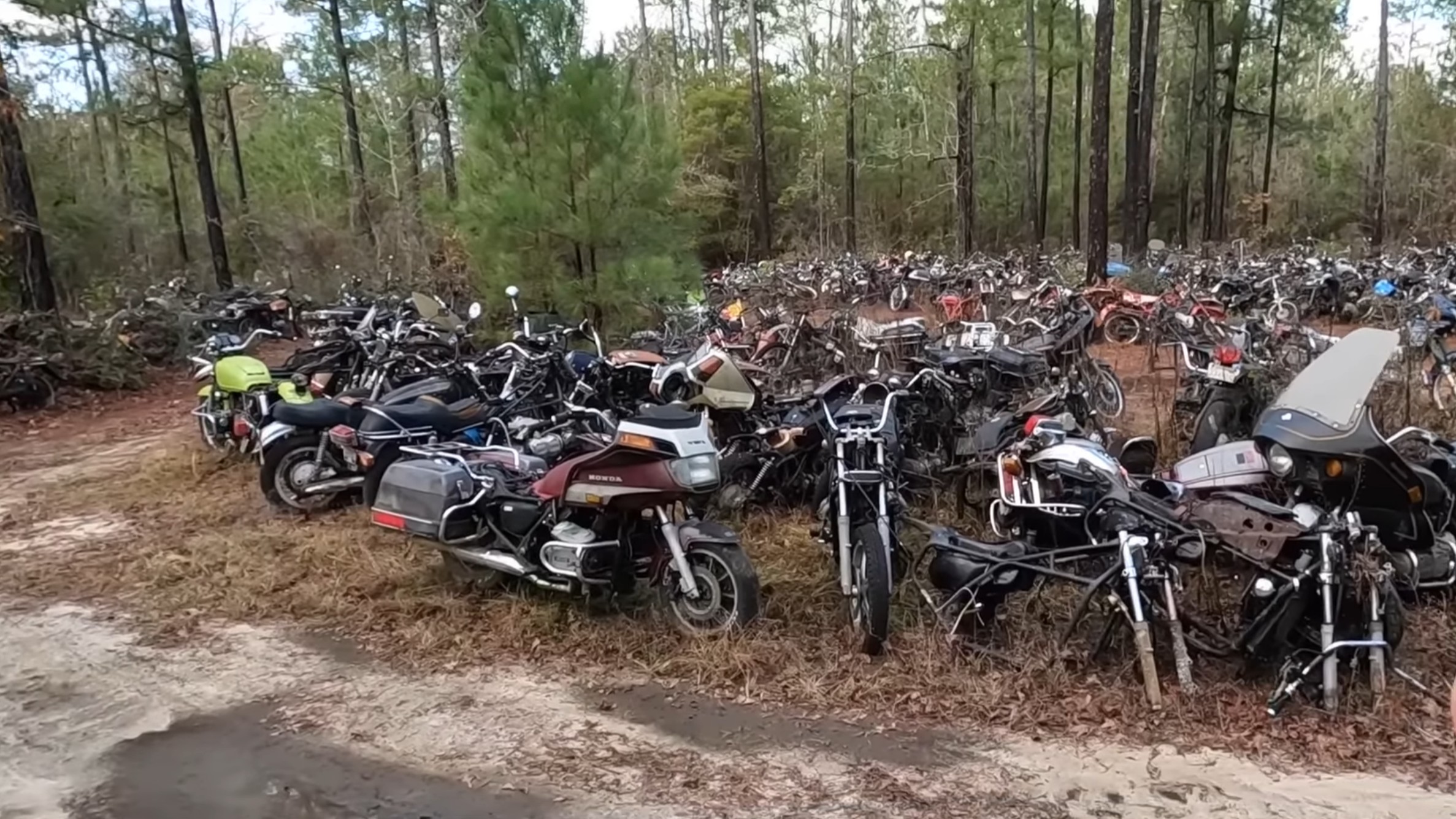 salvage moto
Why Salvage Motorcycles Can Be a Smart Buy
The most obvious advantage is price. Salvage bikes often sell for noticeably less than clean-title equivalents, which can free up budget for repairs, gear, training, or a higher-spec model you could not justify otherwise. For riders who wrench, that discount can translate into real value because labor is the biggest line item on most estimates.
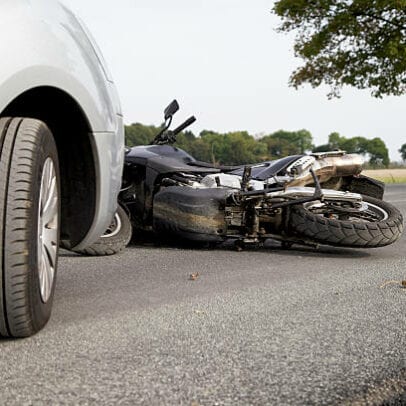
Another advantage is access to bikes with minor damage that looks worse than it is. Plastic is expensive, and cosmetic parts inflate insurance repair quotes fast. A bike with scraped fairings, a broken mirror, and a scuffed tank can carry a salvage brand even when the frame and engine are fine. If you can confirm the structure is straight and the safety-critical systems check out, those bikes can be excellent projects.
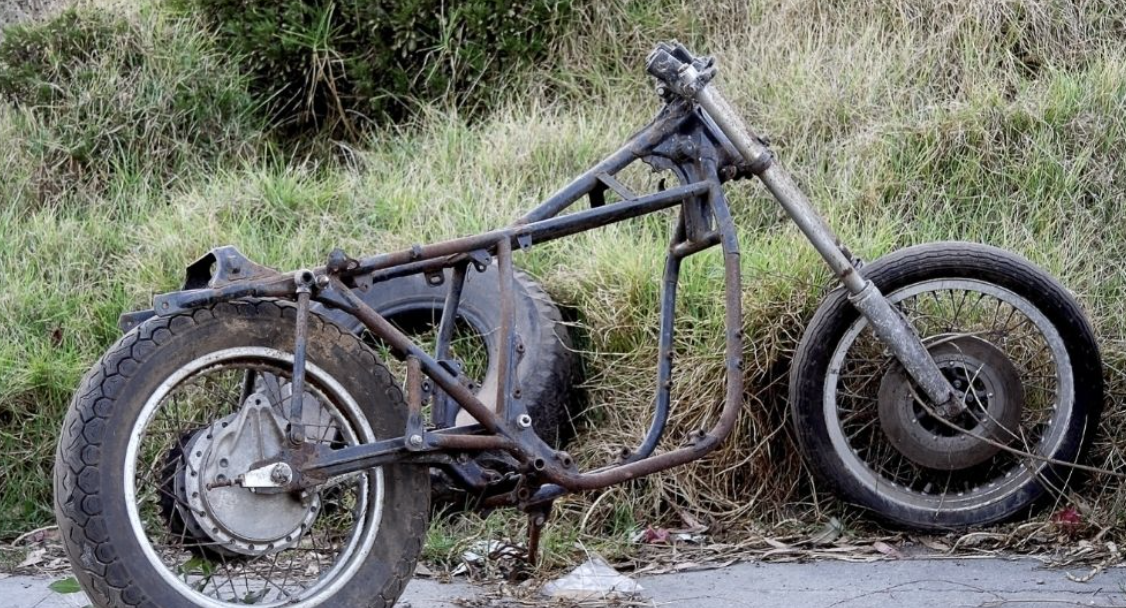
Salvage can also make sense for track use, off-road builds, or parts harvesting. If you want a dedicated track-day machine, you may care far less about pristine cosmetics and future resale. The same goes for builders who plan a full teardown anyway.
The Risks That Matter Most and How to Manage Them
Structural damage is the first risk to take seriously. Frames, triple-trees, forks, and swingarms must be straight. A bike can look clean and still track sideways, weave at speed, or chew through tires if the chassis geometry is off. That is not a “fix later” issue. It is a walk-away issue unless you have measurements and professional confirmation.
Next is hidden mechanical and electrical trouble. Modern motorcycles rely on sensors, ABS modules, ride-by-wire throttles, and immobilizers. A salvage history can mean cut harnesses, swapped ECUs, or missing keys. Ask for diagnostic scans when possible, confirm all lights work, and verify that ABS cycles properly during a controlled test ride if the bike is street-legal.
Finally, factor in ownership friction. Some insurers limit coverage on rebuilt titles, and some lenders will not finance them. Even if you plan to pay cash, check insurance quotes up front and confirm registration requirements so the bike does not get stuck in paperwork limbo.
Where to Find Salvage Motorcycles
Insurance salvage auctions are one of the biggest sources. These platforms aggregate bikes from claims across regions, which means selection is strong, but competition can be intense. The listings typically include photos, VIN details, and basic notes. Many also include “run and drive” indicators, though those labels are not guarantees.
Public auctions and dealer auctions can also have motorcycles, especially during seasonal inventory moves. Some auctions let you inspect in-person on preview days. That is a major advantage. Seeing the bike up close helps you spot frame marks, fork pitting, radiator damage, oil leaks, and wiring hacks that photos conveniently miss.

You can also find salvage or rebuilt bikes through local rebuilders, independent dealers, and private sellers. These sources can be easier to buy from because the bike may already be inspected and registered. The tradeoff is price. You are paying for the rebuild work and the convenience. That can still be worth it if the documentation is clean and the repairs are verifiable.
How to Evaluate a Salvage Listing Like a Pro
Start by building a “total cost” number before you bid or negotiate. Add the purchase price, auction fees, transport, parts, tires, battery, fluids, and any specialty labor like fork rebuilds or frame checks. Salvage deals fall apart when buyers only compare the winning bid to a clean-title price and ignore everything that comes after.
Then verify identity and documentation. Confirm the VIN matches the frame stamp, not just the paperwork. Ask for before-and-after photos, parts receipts, and details on who performed the repairs. If airbags do not exist on bikes, electronics still do. You want proof that critical items like brakes, tires, chain-and-sprockets, and steering bearings were handled correctly.
Finally, prioritize safety-critical inspection points. Check the forks for straightness and smooth travel, inspect the wheels for cracks, look for signs of overheating, and confirm the brakes feel consistent. If the bike is rideable, pay attention to headshake, pulling, and vibration. If anything feels off, treat it as a structural question, not a “tune-up” problem.
A salvage motorcycle can be a great buy when you choose the right damage profile, confirm the paperwork path, and price the project honestly. Focus on structure, electrics, and total cost. Do that, and the discount turns into a real win instead of a long, expensive guessing game.